
Affiliate Disclosure: Some links on this page are affiliate links. As an Amazon Associate, we earn from qualifying purchases — at no extra cost to you. We do not buy, install, or physically handle the cameras we cover; our rankings come from aggregated owner reviews, ratings and expert consensus. Commissions never change our verdicts. We're reader-supported: commissions fund hosting, research and updates, so if a guide helped, buying through our links keeps it going. How we rank · full disclosure.
Short version: security deterrents like warning signs and dummy cameras are genuinely low-cost deterrents that add a layer of perceived risk for an opportunistic intruder, but they provide none of the actual detection, recording or response capability of real security devices. Use them to supplement a real setup, not replace one.
How we work: we do not buy, install or physically handle these products. Every ranking here comes from aggregated owner reviews, star ratings weighted by review volume, and expert consensus. Method on how we rank; funding on our affiliate disclosure. Ready for picks? Go to best fake security camera.
In Plain English
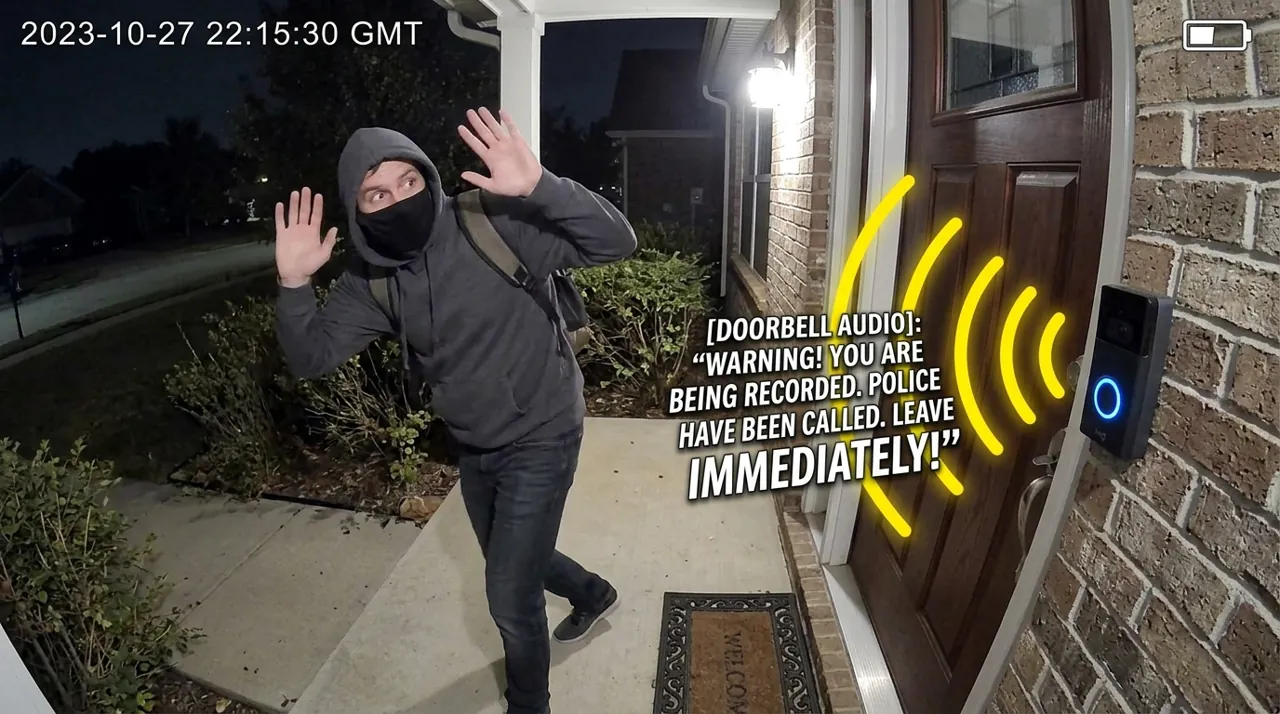
A deterrent is anything that makes a burglar think twice. Warning signs, fake cameras and motion lights all try to send one message: this house is being watched, so pick another one. It works a bit like a "Beware of Dog" sign on a gate. Nobody checks whether the dog is real. They just don't want to find out.
Why it matters: most break-ins are quick, opportunistic decisions, and small signals can tip that decision. But signs and fake cameras don't record, detect or alert anyone, so they can't help after the fact. The one thing to do is layer them: a sign at the entrance, a visible camera on the main approach and a motion light at the door. Treat that as a cheap extra layer on top of real locks and, ideally, at least one real camera.
Top 3 Recommended Deterrents

The BNT holds the deepest review base of any dummy camera tracked on this site, backed by a solid owner rating, in a realistic dome camera housing with a flashing red LED and weatherproof build. Owners consistently value the price low enough to place several around a property. It is a passive visual deterrent with no actual recording capability.
Why You Should Get This
If you want the most review-validated dummy camera available, cheap enough to place several around a property, this is the default.
Benefits
- Deepest review base of any dummy camera tracked on this site.
- Realistic dome housing with flashing LED.
- Weatherproof for outdoor use.
Pros and Cons
- Largest, most trustworthy review base.
- Low price for multi-position coverage.
- Realistic dome design.
- Purely passive, no actual recording.
- Slightly lower rating than the WALI 2-pack.
- Deterrent effect is unverifiable.
Features
- Realistic dome housing.
- Flashing red LED.
- Weatherproof.

The WALI 2-pack holds a slightly higher rating than the category leader, from a deep base of owner ratings, with two realistic dome units included in one purchase. A flashing red LED simulates an active recording light. Owners consistently value covering two visible positions from a single purchase. It matches the BNT’s passive deterrent function with a marginally higher per-review rating.
Why You Should Get This
If you want to cover two visible positions from one purchase at a slightly higher rating, this is the pick.
Benefits
- Slightly higher rating than the category leader.
- Two units in one purchase.
- Realistic dome housing with flashing LED.
Pros and Cons
- Highest per-review rating in dummy cameras.
- Two-pack covers two positions.
- Realistic, tamper-deterring dome design.
- Purely passive, no actual recording.
- Deterrent effect is unverifiable.
- Similar price to the single-unit BNT.
Features
- Realistic dome housing.
- Flashing red LED.
- Two units included.

This WALI model is the only pick in this comparison that adds a genuinely functional feature — real motion-activated light — alongside the dummy camera housing, with a solid rating from a deep review base. It is solar powered with no wiring required. Owners consistently value getting real illumination in addition to the visual deterrent. It costs more than the passive-only dummy cameras.
Why You Should Get This
If you want real motion-activated light in addition to the visual deterrent effect, this is the only pick in this comparison that delivers both.
Benefits
- Adds a genuinely functional motion-activated floodlight.
- Solar powered, no wiring required.
- Dummy camera housing for visible deterrence.
Pros and Cons
- Only pick with a real functional feature beyond the housing.
- No wiring needed, solar powered.
- Strong review base.
- Higher price than passive-only dummy cameras.
- Light output modest next to dedicated security lights.
- Performance depends on sun exposure.
Features
- Solar powered.
- Real motion-sensor floodlight.
- Dummy camera housing.
The Honest Value of a Deterrent
The evidence for visible deterrents — signs, dummy cameras, motion-activated lights — centers on opportunistic intrusion, which is the majority of residential break-ins. A visible signal of risk or attention changes the calculation for someone scanning a property for an easy target. None of these products detect, record or alert to anything actually happening, which is the fundamental limitation compared to a real camera or sensor.
Fake Security Cameras (Dummy Cameras): What They Actually Do
A dummy camera looks like a real security camera, usually with a realistic dome or bullet housing and a blinking LED to mimic an active unit. It records nothing. Its entire value is visual: a passerby or an intruder scanning a property sees what looks like surveillance and factors that risk into their decision. Owner reviews of dummy cameras consistently note they're hard to distinguish from real units at a glance, which is the whole point. The honest tradeoff is that a genuine budget security camera, covered on the budget cameras hub, often costs only a little more and actually detects and records something.
Warning Signs and Beware of Dog Signs: The Cheapest Deterrent Layer
A "beware of dog" or "video surveillance" sign is the cheapest deterrent on this page, typically a few dollars for a yard stake or door sticker. Signs work the same way dummy cameras do: they introduce uncertainty and perceived risk without any real detection behind them. They pair naturally with a dummy or real camera, since a sign near the front door and a camera covering the driveway reinforce each other rather than duplicating the same message. Signs require no power, no installation beyond a stake or adhesive, and no maintenance — the lowest-effort deterrent in this category.
Motion-Activated Lights: A Deterrent That Actually Does Something
Unlike a sign or dummy camera, a motion-activated light performs a real function: it removes the cover of darkness the moment it detects movement. Sudden illumination is startling and immediately signals that a property has active detection, even if there's no camera attached. Solar-powered motion lights need no wiring, which makes them easy to add at a side gate, a shed, or a driveway entrance where running power isn't practical. See a ranked list of motion sensor lights for ranked picks.
Audible Sirens and Alarms as a Deterrent Layer
A loud siren works on a different psychological trigger than a silent visual cue. It's designed to startle an intruder in the moment and draw attention from neighbors or passersby, rather than simply signal risk from a distance. Standalone entry-point and glass-break sirens are covered on the window and door sensors hub. They layer naturally with the visual deterrents on this page — a sign and camera to discourage before entry is attempted, a siren to respond if entry happens anyway.
Layering Security Deterrents: A Practical, Low-Cost Approach
No single deterrent on this page is a complete security solution, and none of them claim to be. The practical approach most owner reviews and security guidance point to is layering: a sign at the property line or door, a visible camera — dummy or real — covering the main approach, and a motion light at the entry point. Each layer addresses a slightly different signal, and together they cover more of the decision-making process an opportunistic intruder goes through than any single product alone. Layering is also inexpensive, since even the full set of a sign, a dummy camera, and a solar motion light typically costs less than one mid-tier real security camera.
Honest Limitations: Opportunistic Intruder vs a Professional One
None of the products on this hub detect, record, or alert to anything actually happening. That is the core limitation compared to a real camera or sensor, and it's worth repeating plainly rather than glossing over. A determined or professional intruder, as opposed to an opportunistic one, is far less deterred by a sign or dummy camera and may recognize a fake unit outright. Passive deterrents also provide zero evidence after the fact — no footage, no alert history, nothing to hand to police or insurance. Anyone who needs actual evidence or real-time alerting should treat this page as a low-cost supplement to a real camera setup, not a substitute for one.
Where to Place Security Deterrents for the Most Effect
Placement matters more than quantity for any deterrent on this page. A sign belongs at the property's main entry point, where anyone approaching sees it first, not tucked out of sight. A dummy or real camera has the most visible impact aimed at the front door or driveway, since that's the approach path most opportunistic intruders actually use, rather than a side fence or back window. A motion light works best at the entry point itself, where sudden illumination directly interrupts an intruder in the act of approaching, not at a spot they'd never need to pass. Spreading a small number of deterrents across the most-used approach paths beats crowding several onto one visible spot.
Going Deeper: How Burglars Actually Size Up a House
Deterrents work because of how burglars make decisions, and researchers have asked them directly. In a UNC Charlotte survey of 422 incarcerated burglars, about 12 percent said they typically planned a burglary in advance, while 41 percent said it was most often a spur-of-the-moment event. That matters for the products on this hub: a quick decision is exactly the kind a visible cue can change. The same burglars listed the close proximity of other people, a lack of escape routes, and signs of increased security, including alarm signs, dogs inside and outdoor cameras, among the things they weigh.
The survey also shows how far a real alarm goes. About 83 percent said they would try to find out whether an alarm was present, and 60 percent said they would look for an alternative target if one was. If they discovered an alarm mid-attempt, half said they would stop, and another 31 percent said they would sometimes retreat. A sign or dummy camera borrows that signal. It can't deliver the follow-through, which is why this hub treats it as a supplement.
Timing and layout matter too. The ASU Center for Problem-Oriented Policing's burglary guide reports that around 60 percent of reported residential burglaries happen in the daytime, when houses are empty, and notes that lighting has no impact on those daytime break-ins. It also finds side and back entries are the most common way in, and that trees, dense shrubs and privacy fences near doors and windows give burglars the cover they look for. Dogs stand out as a substantial deterrent: burglarized houses are less likely to have dogs than houses that weren't burglarized.
Put together, the research points to a practical order of operations. Make the house look occupied and watched from the street, remove cover near side and back entries, and put your visible deterrents where an approaching person will actually see them. Then back those signals with something real, because the same guide notes that previously burglarized homes can be up to four times more likely to be hit again.
How We Rank
Every product ranked on this hub is scored the same way the rest of the site is: aggregated owner star ratings weighted by review volume, recurring themes in negative reviews, and specification differences owners raise unprompted. We never buy, install or physically test these products, and every star rating and review count comes from licensed Amazon data. Full method on how we rank.
Ready for a Real Camera Instead?
A genuine budget security camera often costs little more than a quality dummy one, and it actually detects and records. See budget security cameras compared side by side or the wider outdoor cameras hub.
Sources & References
- Through the Eyes of a Burglar: Study Provides Insights on Habits and Motivations — University of North Carolina at Charlotte
- Burglary of Single-Family Houses (Problem-Specific Guide) — ASU Center for Problem-Oriented Policing
- Practice Profile: Closed Circuit Television (CCTV) Surveillance — National Institute of Justice, CrimeSolutions
- Reducing Crime Through Environmental Design: Evidence from a Randomized Experiment of Street Lighting in New York City — National Bureau of Economic Research