
Affiliate Disclosure: Some links on this page are affiliate links. As an Amazon Associate, we earn from qualifying purchases — at no extra cost to you. We do not buy, install, or physically handle the cameras we cover; our rankings come from aggregated owner reviews, ratings and expert consensus. Commissions never change our verdicts. We're reader-supported: commissions fund hosting, research and updates, so if a guide helped, buying through our links keeps it going. How we rank · full disclosure.
Short version: the HMCITY 120 LED Solar Light is the best motion sensor light for most buyers — the deepest review base of any product on this site, at an entry-level price. If you want guaranteed nightly illumination with no sun dependency, the LEPOWER Hardwired Security Light carries the highest star rating in the category. For covering a whole perimeter, the Aootek 6-pack is the practical multi-position buy.
Want the best outdoor motion sensor lights wireless (solar) or wired (hardwired) specifically? See top-rated solar security lights and best security light.
In Plain English
A motion sensor light is an outdoor light that switches on by itself when a person, car or animal moves nearby. The sensor doesn't see pictures like a camera. It notices the warmth of a moving body, a bit like how you can feel someone walk past you in a cold room.
Why it matters: a light that pops on as someone approaches tells them they've been noticed, and it helps you see who is there. Some of these lights run on solar power (a small panel charges a battery by day) and others connect to your home's wiring. The one thing to look for is a light whose brightness, measured in lumens (the amount of light it gives off), matches the space. A side gate needs far less than a long driveway.
Top Rated Picks at a Glance
The Ranked Field: Star Rating, Consensus and Price

Best for the deepest-reviewed motion sensor light tracked on this site at an entry-level price.
- 120 LEDs, 3 lighting modes.
- No wiring — solar powered.
- IP65 weatherproof.
- Over 68,500 verified owner ratings.
Why buy it: Over 68,500 verified ratings — the deepest review base of any product on this entire site, at a price low enough to place several around a property.

Best for permanent, always-ready coverage with no battery or sun dependency.
- 40W, 4,000 lumens.
- Hardwired — no charging or sun exposure needed.
- Adjustable dual heads.
- Over 9,200 verified owner ratings.
Why buy it: The highest star rating of any security light we track, and a hardwired connection means it never depends on weather or battery charge.

Best for covering an entire property perimeter in one purchase.
- 120 LEDs per unit, 6 units included.
- Solar powered, no wiring.
- Reflective lens for wide coverage.
- Over 56,500 verified owner ratings.
Why buy it: Six well-reviewed solar lights in one purchase — the practical way to cover a whole property perimeter without buying units one at a time.

Best for a strong balance of brightness, remote control and review depth.
- 210 LEDs, 2,500 lumens.
- Remote control included.
- Solar powered.
- Over 40,700 verified owner ratings.
Why buy it: Over 40,700 verified ratings at a brighter 2,500-lumen output than most solar competitors, with a remote control for adjusting settings without a ladder.
Comparison Table
| Product | Best for | Buy |
|---|---|---|
| HMCITY 120 LED Solar Motion Sensor Light | Best Overall | Price |
| LEPOWER Hardwired LED Security Light | Best Rated | Price |
| Aootek Solar Motion Sensor Lights, 6-Pack | Best Multi-Pack | Price |
| Tuffenough Solar Outdoor Security Light | Best Value Solar | Price |
How We Rank
We do not buy or physically install these lights. Every star rating and review count comes from licensed Amazon data. Full method on how we rank.
What to Look For
Power source that matches your position. Solar for anywhere with a few hours of genuine direct sun and no existing wiring; hardwired for a shaded spot or anywhere you want guaranteed nightly illumination regardless of weather.
Lumen output matched to the area. A driveway or wide perimeter needs more output than a side gate or narrow walkway — check each model's rated lumens against the size of the space you're actually lighting.
Detection range and field of view. Check the current listing for each model's specific PIR detection distance and coverage angle, and mount at the manufacturer's recommended height for the sensor to trigger reliably.
Weatherproof rating. Outdoor lights should carry an IP65 rating or similar; check the current listing for the exact figure before mounting anywhere with sustained heavy rain or direct spray exposure.
Adjustable settings. Sensitivity, stay-on duration and brightness controls, whether via onboard buttons, dip switches or a remote, let you tune the light to your specific position instead of living with the factory-default settings out of the box.
Solar vs Hardwired
Solar motion lights need no wiring at all — mount them with basic hardware and they start working once they've had a few hours of direct sun to charge their internal battery. That makes them the faster, cheaper install for most positions, but performance depends on genuine sun exposure; a heavily shaded spot under an eave, or facing away from the sun for most of the day in some climates, won't keep a solar light's internal battery reliably charged for consistent nightly operation. Hardwired lights need a connection to an existing electrical circuit, either a DIY job at a junction box for someone comfortable with basic wiring or a job for a licensed electrician, but they deliver guaranteed illumination every single night regardless of weather or season.
How Motion Detection Range Works
Nearly every consumer motion sensor light, including all four models on this page, uses a passive infrared (PIR) sensor that detects the heat signature of a moving body passing through its field of view. Detection range and the angle of coverage vary by model and mounting height — check the current listing for each light's specific detection distance, and mount it at the height the manufacturer recommends for the sensor to work as intended. Most models also include adjustable sensitivity and a stay-on timer, letting you tune how readily the light triggers and how long it stays illuminated afterward.
How Many Lumens Do You Need?
The FTC explains that lumens measure brightness, so more lumens means a brighter light. Our rough guides, drawn from the lights on this page and owner reports rather than a formal standard: about 1,500–2,500 lumens for a doorway or side gate, and about 2,000–4,000 for a general yard or typical driveway, enough to clearly illuminate the area without being uncomfortably bright for neighbors or passersby. Higher-output models, such as the LEPOWER at 4,000 lumens, suit a larger open area, a longer driveway, or a spot where maximum visibility matters more than subtlety. More lumens isn't automatically better (crime-prevention research notes that glare can make it harder to see, not easier); matching output to the actual size of the area you're lighting avoids an overpowering, uncomfortable glare shining right outside a bedroom or living-room window.
Does a Motion Light Actually Deter Anyone?
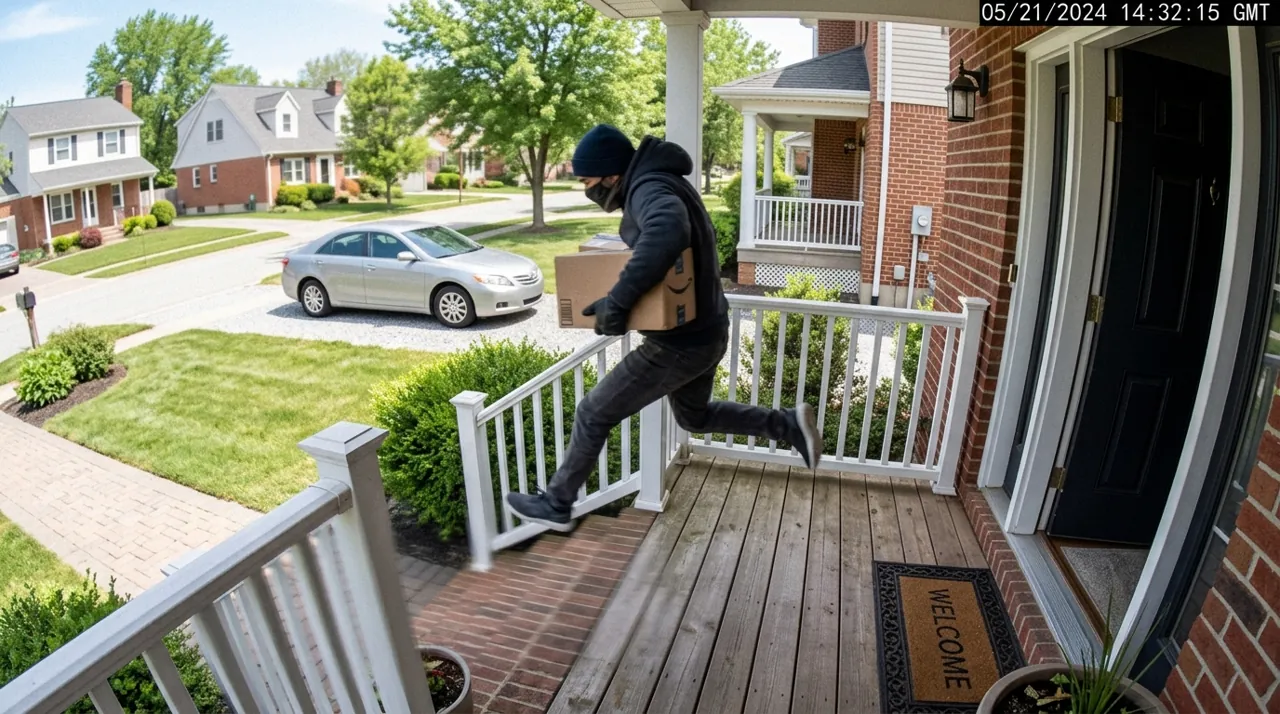
Sudden bright illumination is a widely cited deterrent in home-security guidance, since it removes the cover of darkness and signals a property is monitored, which is often enough to make a would-be intruder move on to an easier, darker target. That said, a light on its own is a deterrent, not a complete security measure — it doesn't identify who triggered it or keep a record of what happened. Pairing a motion light with a camera, whether a dedicated security camera or a video doorbell covering the same approach, gives you both the deterrent effect and an actual recorded account of what triggered the light in the first place.
Weatherproofing and IP65 Rating
All four lights on this page are built for direct outdoor exposure, generally rated IP65 or a comparable standard (IP65 means dust-tight and protected against low-pressure water jets), meaning they're designed to handle rain and everyday weather without water intrusion into the electronics. Check the current listing for each model's exact IP rating before mounting one somewhere with sustained heavy rain, snow, or direct spray, such as directly under a gutter downspout, since exact certifications and their real-world durability can vary slightly across production runs, materials, and price points over time.
Which Is the Best Outdoor Motion Sensor Light for You?
Most buyers who want the deepest-evidenced light at an entry-level price: the HMCITY 120 LED Solar Light.
A position with existing wiring where guaranteed nightly reliability matters: the LEPOWER Hardwired Security Light.
Covering an entire property perimeter in one purchase: the Aootek 6-pack.
A brighter solar option with remote-adjustable settings: the Tuffenough Solar Outdoor Security Light, worth the small premium over the HMCITY if you'd rather adjust brightness and sensitivity from a remote than a ladder.
Going Deeper: How a PIR Sensor Decides Something Moved
Every light on this page uses a passive infrared (PIR) sensor, and the word passive is the key: the sensor sends nothing out. It only watches for changes in the heat around it. Panasonic's technical FAQ for its PIR motion sensors explains that the sensing elements are pyroelectric crystals, which produce a signal when the intensity of infrared radiation falling on them changes. Panasonic's sensors use four of these elements wired together, and the company says that design reduces the chance of a triggering error compared with sensors using one or two elements.
The lens in front of the sensor does a lot of the work. Panasonic notes that the lens determines the size and shape of the detection area and the number of switching zones inside it. As a warm body moves from zone to zone, the heat reaching the crystals rises and falls, and that pattern is what the sensor reads as motion. It's also why detection range varies so much between lights: different lenses carve up the space differently.
The sensor needs contrast. Panasonic's sensors work from a temperature difference of about 4°C between a person and the background, such as a wall or the ground. Clothing tends to take on the surrounding temperature, which Panasonic calls somewhat unfavorable for detection, while exposed skin is easier to pick up. Distance and speed matter as well: if someone moves through the zone very quickly at extremely close range, the change can be harder to register.
One more detail explains a common installation mistake. Panasonic says its sensors can't detect a person through glass or acrylic, because the sensor responds to infrared above about 5 µm, while ordinary glass passes wavelengths only up to about 2 µm. A motion light aimed through a window, or mounted behind a clear cover, won't see people on the other side. Mount it outdoors with a clear view of the area, at the height the manufacturer recommends.
The Verdict
The HMCITY 120 LED Solar Light is the right default for most buyers — extraordinary review depth at a low price. Choose the LEPOWER Hardwired Security Light if guaranteed nightly reliability matters more than avoiding an install, and the Aootek 6-pack if you’re covering an entire perimeter in one purchase. Whichever you choose, match the light's rated lumen output and detection range to the actual size of the area you're covering, rather than defaulting to the single brightest option available regardless of the position it's going in.
Sources & References
- Lumens and the Lighting Facts Label — Federal Trade Commission
- Introduction to Security Cameras' Weatherproof IP Rating — Reolink
- Installing a Solar Panel with Your Security Camera — Ring
- Protecting Night Skies at Home — National Park Service
- Improving Street Lighting to Reduce Crime in Residential Areas — ASU Center for Problem-Oriented Policing
- LED Basics — U.S. Department of Energy
- PIR Motion Sensors FAQ 2025 — Panasonic Industry