
Affiliate Disclosure: Some links on this page are affiliate links. As an Amazon Associate, we earn from qualifying purchases — at no extra cost to you. We do not buy, install, or physically handle the cameras we cover; our rankings come from aggregated owner reviews, ratings and expert consensus. Commissions never change our verdicts. We're reader-supported: commissions fund hosting, research and updates, so if a guide helped, buying through our links keeps it going. How we rank · full disclosure.
Short version: the BNT Dummy Fake Camera is the best overall fake security camera — the deepest review base in the category. The WALI CCTV Dome 2-Pack is the slightly higher-rated alternative; both it and the BNT listing we track cover two positions per purchase. The WALI Solar Powered version adds a genuinely functional motion-sensor floodlight alongside the dummy housing.
Remember: these provide no actual detection or recording. For a real camera, see budget security cameras worth considering.
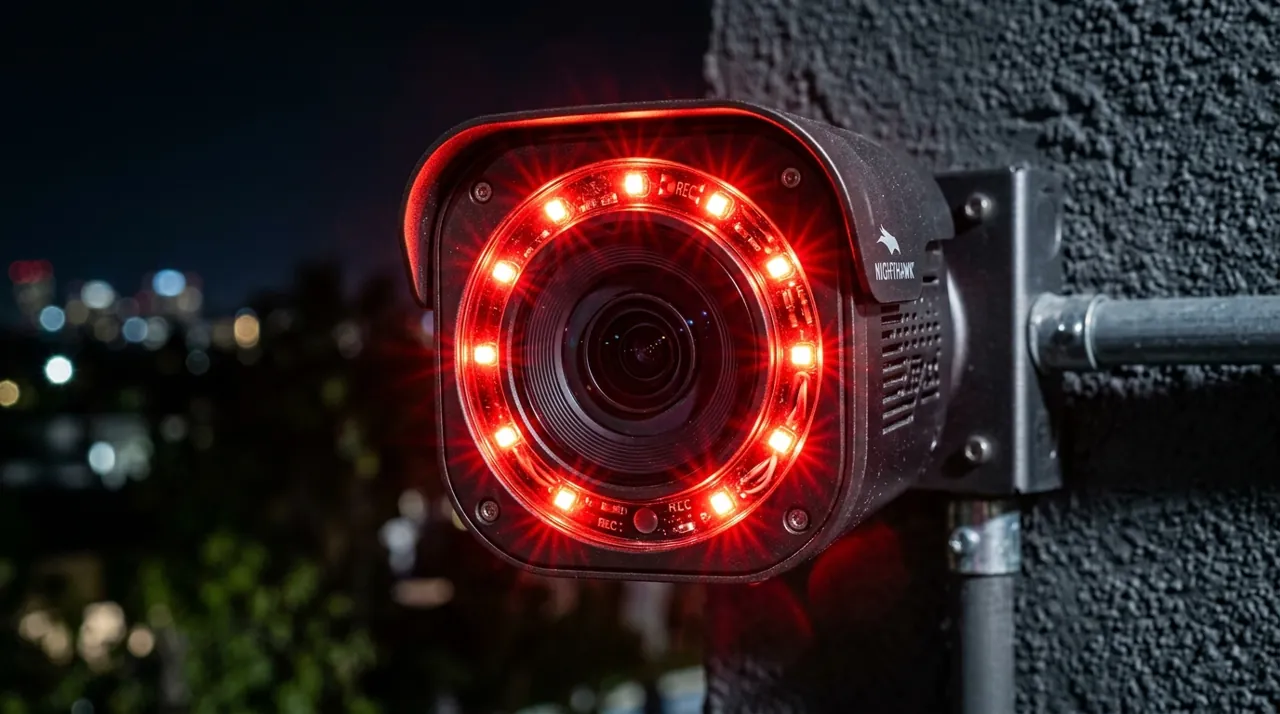
In Plain English
A fake security camera looks like the real thing but has nothing inside that records. Most have a blinking red light powered by a small battery. It is basically a scarecrow for burglars: it works only if someone sees it and believes it might be real.
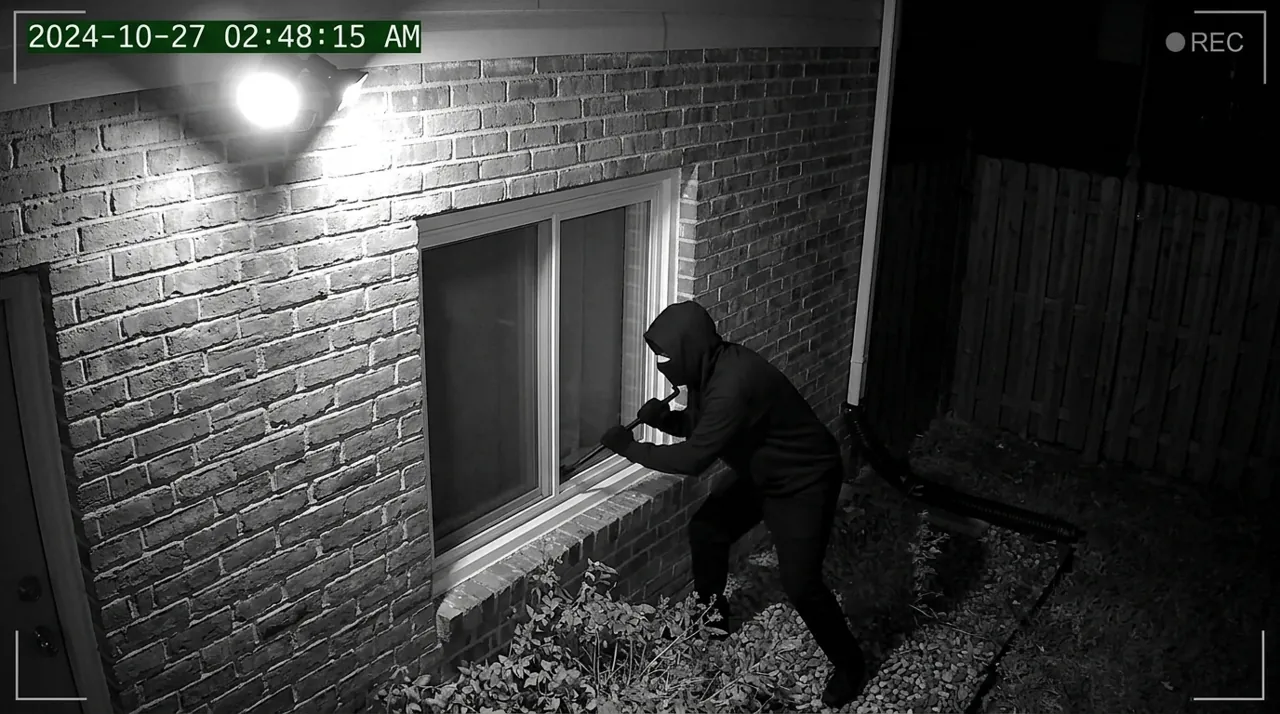
Why it matters: many break-ins are quick, spur-of-the-moment decisions, and a camera on the wall can make someone move on. But if something does happen, a fake camera gives you no video, no alert and no evidence. The one thing to do is put it where it is easy to see, like above the front door or facing the driveway, at the height a real camera would sit. And if you need proof after an incident, buy a real budget camera instead.
Do Dummy Cameras Actually Deter Burglars?
A dummy camera cannot record anything. That is worth being upfront about before anything else. What it can do is change the calculation a would-be intruder makes at a glance. Many burglars are opportunistic. In a UNC Charlotte survey of burglars, 41% said their break-ins were usually spur-of-the-moment, while only about 12% planned in advance, and outdoor cameras were among the signs of security they said they weigh. A visible camera housing, real or not, adds a moment of hesitation. It creates a perceived risk that a house with no visible security measures does not carry. That is the entire mechanism behind a dummy camera. It is a visual signal, not a detection system, and its effectiveness depends entirely on looking convincing enough to read as real from normal viewing distance.
Realistic Features to Look For
The features that make a dummy camera convincing are the same features a real camera would have. A recognizable dome or bullet housing shape matters. An unfamiliar or clearly toy-like shape undercuts the whole point. A flashing or steady red LED, resembling the status lights some real cameras display, is one of the most commonly cited details in owner reviews as adding to realism. Weatherproof housing matters too, especially if you want the best fake security camera outdoor. A dummy camera that visibly degrades after one season outdoors stops looking convincing fast, regardless of how realistic it looked on day one. Cable detail is another small but noticeable touch: a housing with a visible dummy cable running to it reads more convincingly than a bare unit mounted with nothing connected to it at all.
Limitations: What a Fake Camera Cannot Do
A dummy camera records nothing, stores nothing and alerts no one. If a break-in happens anyway, there is no footage, no motion notification and no evidence beyond whatever a real camera or witness might separately provide. It also will not fool everyone. A repeat offender, or someone who has cased the property beforehand, may recognize a dummy unit by its lack of wiring, an unusually static angle, or simply general experience with what real hardware looks like up close. A dummy camera is a deterrent for the casual, opportunistic case. It is not a substitute for real detection and recording. Even the evidence for working cameras is modest: a 2019 meta-analysis rated on the Justice Department's CrimeSolutions site found CCTV cut the odds of property crime by about 16% in the areas studied, with actively monitored systems doing better than passive ones. Being honest about this limitation up front is the whole point of this guide, rather than overselling what a piece of plastic housing can actually accomplish on its own.
Placement for Maximum Visibility
A dummy camera only works if it is seen. That makes placement the single biggest factor in how effective it actually is. Entry points, front doors, back doors, ground-floor windows and driveways are the highest-value spots. That is where a potential intruder is naturally looking as they approach. Mounting height matters too. A camera placed at a normal real-camera height and angle, rather than tucked somewhere awkward for convenience, reads as far more credible to someone glancing at the property from the street or sidewalk. A single, well-placed unit at the main entry point usually does more good than several scattered around less visible corners of the property.
Combining a Fake Camera with Real Deterrents
A dummy camera works best as one layer among several rather than a standalone strategy. Pairing a visible dummy camera with a genuinely functional motion sensor light, a real doorbell camera at the main entry, or simple physical deterrents like good exterior lighting and trimmed landscaping near windows compounds the effect. Each layer raises the perceived effort and risk of targeting the property. A dummy camera is a genuinely low-cost way to add one more layer without the cost or setup of an additional real camera.
Battery and Maintenance
Most dummy cameras with a flashing LED run on a small battery to power that light. A dead battery means a dark, unconvincing LED even though the housing itself still looks the part. Check the specific product's power requirements and expected battery life before buying. Treat a periodic battery check as part of basic upkeep, the same way you would check a smoke detector. A solar-powered fake security camera with motion light, like the floodlight-style pick on this page, avoids the battery-check habit for the LED function specifically. Its motion sensor light function still depends on adequate sun exposure to charge, though.
Who a Fake Security Camera Is For
A dummy camera suits several kinds of buyers. A budget-conscious homeowner or renter wanting a visible deterrent without the cost or installation of real hardware is one. A property owner adding visible coverage to a secondary structure like a shed or garage that does not justify a real camera is another. Anyone supplementing an existing real security setup with additional visible units at a lower cost fits too. It does not suit anyone who needs actual evidence, remote monitoring or a real alert if something happens. For that, a genuine budget security camera is the honest alternative, even at a higher price than a dummy unit.
Fake Camera vs a Real Budget Security Camera
The choice between a dummy camera and a genuine budget camera comes down to what you actually need it to do. A dummy camera only provides a visual deterrent, nothing more, at the lowest possible cost. A real budget camera, even an inexpensive one, adds actual motion detection, recorded footage and often a phone notification when something triggers it. If evidence after the fact matters to you at all, a real camera is the honest choice regardless of price difference. A dummy camera is best reserved for a secondary structure or an additional visible unit alongside real coverage elsewhere on the property.
Top Rated Picks at a Glance
The Ranked Field: Star Rating, Consensus and Price

Best for the deepest-reviewed dummy camera tracked on this site.
- Realistic dome camera housing.
- Flashing red LED light.
- Weatherproof for outdoor use.
- Over 8,800 verified owner ratings.
Why buy it: The deepest review base of any dummy camera we track, at a price low enough to place several around a property.

Best for covering two positions in one purchase at a slightly higher rating.
- Realistic dome housing.
- Flashing red LED.
- Two units in one purchase.
- Over 7,300 verified owner ratings.
Why buy it: A slightly higher rating than the category leader, with two units included for covering two visible positions.

Best for a dummy camera that also adds real motion-activated light.
- Solar powered, no wiring.
- Real motion-sensor floodlight function.
- Dummy camera housing for visible deterrence.
- Over 4,000 verified owner ratings.
Why buy it: The only pick here that adds a genuinely functional feature — real motion-activated light — alongside the dummy camera housing.
Comparison Table
| Product | Best for | Buy |
|---|---|---|
| BNT Dummy Fake Camera | Best Overall | Price |
| WALI CCTV Dome Fake Camera (2-Pack) | Best Value 2-Pack | Price |
| WALI Solar Powered Fake Camera with Motion Sensor Floodlight | Best Solar Floodlight Style | Price |
How We Rank
We do not buy or physically install these products. Every star rating and review count comes from licensed Amazon data. Full method on how we rank.
Going Deeper: What the CCTV Research Actually Measured
When people argue about whether cameras deter crime, the strongest evidence comes from reviews that pool many studies. The U.S. Justice Department's CrimeSolutions profile of CCTV surveillance is based on a 2019 meta-analysis by Piza, Welsh, Farrington and Thomas covering 76 evaluations. It rates CCTV as promising for overall crime, property crime and vehicle crime, and ineffective for violent crime. The pooled effects are modest: roughly a 14 percent reduction in overall crime and a 16 percent reduction in property and vehicle crime in the areas studied.
Where cameras sit matters a great deal. The same review found a statistically significant 37 percent reduction in car parks and a 12 percent reduction in residential areas, while housing, city and town centers, and public transport showed no significant reductions. And how cameras are used matters more still. Actively monitored systems, which alert police or security staff as a crime happens, showed significant reductions. Passive systems that simply record did not show significant effects.
That second finding is the honest context for a dummy camera. A fake camera is the most passive system possible: it doesn't even record. Any effect it has comes purely from the visual signal, the same cue burglars in the UNC Charlotte survey said they weigh when choosing a target. There is little direct research on dummy units themselves, so the realistic expectation is a nudge against a casual, opportunistic decision, not a measurable crime-prevention effect.
The research also explains why placement advice on this page focuses on visibility and entry points. A camera, real or fake, can only influence someone who notices it before they commit. If you want to move from a signal to something closer to the monitored systems that performed best in the research, the upgrade path is a real camera that sends alerts to your phone, so a person can respond while something is happening.
The Verdict
The BNT Dummy Fake Camera is the right default for most buyers wanting a well-evidenced, low-cost visible deterrent. Choose the WALI 2-Pack if you prefer its marginally higher rating, and the WALI Solar Powered version if genuine motion-activated light matters to you too.
Sources & References
- Through the Eyes of a Burglar: Study Provides Insights on Habits and Motivations — University of North Carolina at Charlotte
- Practice Profile: Closed Circuit Television (CCTV) Surveillance — National Institute of Justice, CrimeSolutions
- Burglary of Single-Family Houses (Problem-Specific Guide) — ASU Center for Problem-Oriented Policing