
Affiliate Disclosure: Some links on this page are affiliate links. As an Amazon Associate, we earn from qualifying purchases — at no extra cost to you. We do not buy, install, or physically handle the cameras we cover; our rankings come from aggregated owner reviews, ratings and expert consensus. Commissions never change our verdicts. We're reader-supported: commissions fund hosting, research and updates, so if a guide helped, buying through our links keeps it going. How we rank · full disclosure.
Short version: for home security in an apartment, use layers that do not change the building: a plug-in or shelf camera aimed at the entry, stick-on sensors on the door and any reachable window or balcony slider, and a lock plan you control. Read your lease first, keep everything removable, and pick hardware you can take to the next place.
How we work: we do not buy, install or physically handle this equipment. Rankings come from aggregated owner reviews, star ratings weighted by review volume, and published manufacturer specs. Method on how we rank; funding on our affiliate disclosure. This page is general information, not legal advice. Ready for models? Go to best security camera for an apartment.
In Plain English
Renting changes how you protect your home. You usually cannot drill holes, rewire a doorbell, swap the front lock or bolt anything to the walls, and you may move again in a year or two. So the goal is security you can peel off, unplug and carry with you.
In practice that means three simple layers. A small indoor camera on a shelf watches the door and sends you an alert. A tiny sensor stuck to the door or window frame makes noise or pings your phone when it opens. And you make the entry itself harder to defeat, using the lock you already have and habits like locking the balcony slider.
None of it needs a contractor. Most of it costs less than a month of rent, and you can pay nothing monthly if you choose a camera that records to a memory card. The one thing to do first is read your lease, because it decides what you can add and where you can point it.
Top 3 Picks for Renters
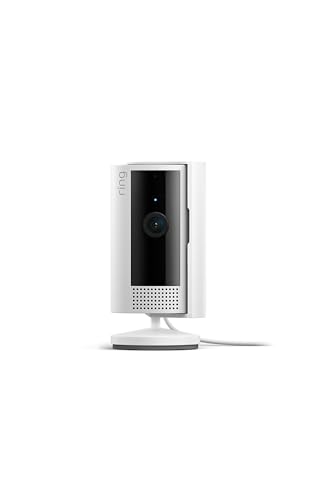
The Ring Indoor Cam is the most review-validated indoor camera we track for renters. It plugs into a standard outlet and sits on a shelf, so nothing is screwed into a wall. Ring lists 1080p video, color night vision, a built-in privacy cover and motion zones. Live view and motion alerts work without a plan, but saved clips need a Ring plan. Owners consistently describe it as the easy, no-damage way to add a camera to a rental.
Why You Should Get This
If you want one well-reviewed camera that leaves no trace on a rented wall, start here.
Benefits
- Plugs into an outlet, no mounting hardware.
- Built-in privacy cover for when you are home.
- Deep review base from owners.
Pros and Cons
- Nothing to drill or unscrew at move-out.
- Privacy cover switches the lens and mic off.
- Simple app setup.
- Recorded history needs a paid Ring plan.
- 2.4 GHz WiFi only, per Ring’s spec page.
- Needs a nearby outlet.
Features
- 1080p video with color night vision.
- Two-way audio and remote-activated siren.
- Customizable motion zones.
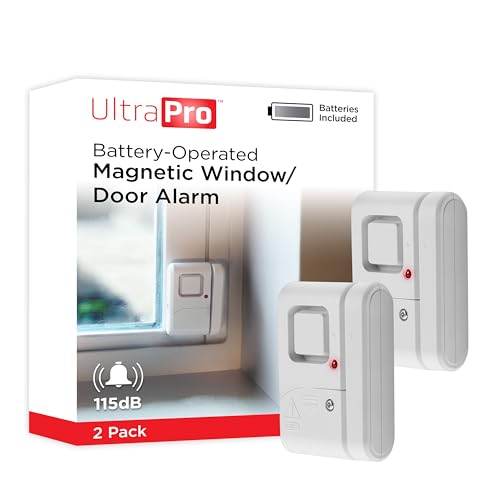
This is the deepest-reviewed entry sensor tracked on this site. It is a self-contained magnetic contact alarm that sounds locally when a door or window opens, with no hub, app or subscription. It sticks to the frame, so it suits a rental where you cannot alter the door. Owners value that there is nothing else to buy or configure. The trade-off is that it makes noise rather than sending a phone alert.
Why You Should Get This
If your top worry is someone opening a door or sliding window while you are inside, this is the simplest layer.
Benefits
- No hub, app or subscription.
- Built-in audible alarm.
- Sticks on and comes off at move-out.
Pros and Cons
- Largest review base of any entry sensor here.
- Works the moment it is mounted.
- Two sensors in the pack.
- Local alarm only, no phone alert.
- Battery-powered, needs occasional replacement.
- No smart-home integration.
Features
- Standalone wireless chime and alarm.
- Magnetic contact mount.
- Two-pack.

The Tapo C211 pairs a 2K image with pan and tilt, so one camera can cover a whole studio or one-bedroom. TP-Link’s spec page lists a microSD slot up to 512 GB for local recording, privacy zones you can black out, and 2.4 GHz WiFi. Because footage can stay on a card in your own unit, there is no monthly bill to carry between leases. It comes as a two-pack.
Why You Should Get This
If you want coverage of a whole room without a subscription, this is the value pick for a renter.
| Resolution | 2304x1296 (2K), 15fps |
| Pan/tilt range | 360° horizontal, 114° vertical |
| Sensor | 1/2.8-inch |
| Night vision | Infrared, up to 30ft |
| Audio | Two-way audio, built-in speaker/mic |
| Storage | MicroSD or cloud |
Benefits
- Pan and tilt covers a large room.
- Local microSD recording.
- Two cameras in the box.
Pros and Cons
- No required subscription for card recording.
- Privacy zones for sensitive areas.
- Low cost per camera.
- 2.4 GHz WiFi only.
- The card is sold separately.
- Cloud storage is an optional paid extra.
Features
- 2K (3MP) video.
- 360 degree pan, 114 degree tilt.
- MicroSD up to 512 GB.
How Apartment Break-Ins Actually Happen
Good renter security starts with the real threat. A University of North Carolina at Charlotte study interviewed convicted burglars and found that most got in by entering open windows or doors or forcing them open. Only about one in eight used lock-picking or a previously acquired key. In other words, the weak point is usually a door or window that was unlocked or easy to force, not a clever bypass of a lock.
The same study found that security signals change behavior. According to the researchers, 83 percent of the offenders said they would check for an alarm before trying to enter, and 60 percent said they would pick a different target if they found one. That matters for renters because you can add the visible signals, such as a camera in a window line of sight or a door alarm chime, without changing the property at all.
For an apartment, that points to the entry points you can actually reach: the front door, a ground-floor or fire-escape window, and a balcony or patio slider. Upper-floor units with no outside access face a lower risk from the outside, but a shared hallway and a spare key held by others still matter, so a door sensor and camera on the entry are worth having on any floor.
Read the Lease Before You Buy Anything
Cornell Law School’s legal reference explains that landlord-tenant rules come from state statutes, local ordinances and common law, and that lease terms vary significantly by jurisdiction. So there is no single national answer to what a renter may install. What your lease says, and what your state allows, is what counts.
Look for four things. First, any clause about alterations or attaching things to walls, doors or frames. Second, rules about common areas, since a camera that records a shared hallway, stairwell or neighbor’s door raises privacy issues even if it is mounted on your own door. Third, any lock rule, because many leases forbid changing or adding locks without written permission. Fourth, the landlord’s entry rules, which in many states require notice before they come in.
The practical rule follows from that: keep everything removable and, if you want something more permanent, such as a hardwired camera or a replacement lock, get written permission first. Our renters’ rights guide walks through the questions to ask.
Cameras That Leave No Trace
The renter-friendly camera is plug-in, shelf-mounted and inside your own unit. The Ring Indoor Cam, for example, plugs into a standard outlet and includes a built-in privacy cover, with 1080p video and motion zones. The Tapo C211 adds pan and tilt, so one unit can sweep a studio, and TP-Link lists a microSD slot up to 512 GB plus privacy zones. Both need a shelf or table and an outlet, which is all a rental gives you anyway.
Placement decides usefulness. Aim the camera at the inside of your entry door so it sees anyone who comes in, and keep it away from windows facing other buildings, since glare and reflections wreck night footage. A camera sitting where a visitor can see it also works as a deterrent, in line with the alarm and camera signals the UNC study describes.
Avoid the balcony or exterior door camera unless your lease allows it, and never point one at a shared hallway or a neighbor’s space. If you want an outdoor angle, ask the landlord whether they already run building cameras and whether a battery camera is acceptable. For ranked options, see best security camera for an apartment.
Door and Window Sensors: The Cheap Layer
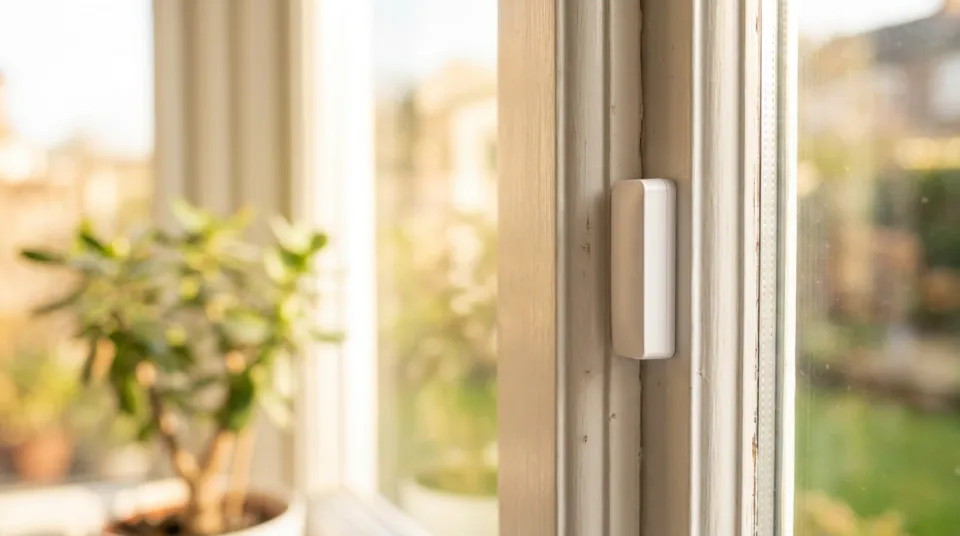
A contact sensor is two small pieces, one on the door or window and a magnet on the frame. When they separate, it either sounds a siren on the spot or sends an alert through a hub. It costs little, installs with adhesive and comes off at move-out. Given how burglars tend to enter, it covers the highest-value points.
There are two types to choose between. A standalone alarm sounds locally, needs no app and is the simplest thing to set up. A hub-based sensor sends a phone alert, which is better if you are out, but generally needs a compatible hub or ecosystem. Our owner-review picks are in best door and window sensor, and the whole category is on the window and door sensors hub.
Prioritize the front door, then any window a person could reach from a balcony, fire escape or ground level, then the balcony or patio slider. A sliding door also benefits from a simple bar in the track, which needs no installation at all.
Locks and Doors Without Changing the Door
Locks are usually the landlord’s responsibility, and many leases prohibit swapping them. Before buying anything, confirm that your deadbolt is engaged whenever you are home, that you have a record of who holds spare keys, and whether the building has changed locks since the last tenant. If a former tenant or contractor may still have a key, ask the landlord to rekey.
If you want a keypad or app lock, get written permission and look for models that fit the existing hole and can be swapped back to the original hardware at move-out. Our smart locks hub compares them. Some no-drill add-ons, such as portable door braces, are removable, but check that they do not damage the frame.
For sliding doors and windows, a track bar or dowel is cheap and needs no installation. None of this replaces a working lock, but it turns a quick grab into a slower, noisier job, which is what pushes an opportunist to move on.
Packages in an Apartment
Package theft is a different problem in a building. USPIS advises that you promptly pick up mail and avoid leaving items at your door, use Hold Mail if you cannot be there, and use Hold for Pickup so a package waits at the Post Office. Other carriers and retailers offer lockers or pickup points too, so use the option your building supports. A lockable delivery box works for a private porch or entry, but most apartment lobbies are a shared space where you cannot install one, so check with the manager first. See best package lock box if your unit has a private entry.
WiFi, Privacy and Roommates
Apartments have crowded WiFi and thick walls. Ring says its products need an existing home WiFi network and will not work with a phone hotspot, and all Ring devices support 2.4 GHz. Test the signal at the camera’s exact spot before you commit, and move the router or add a mesh node if it is weak.
Privacy matters more when you share space. Tell roommates about any camera, keep cameras out of bedrooms and bathrooms, and use privacy covers or scheduled off-time when you are home. The FTC’s advice on using IP cameras safely recommends a strong, unique password, two-factor authentication, automatic updates and, where possible, a separate network for cameras.
Taking It With You When You Move
The point of renter-friendly gear is that it travels. Before you hand back the keys, remove each device from your account, delete stored footage and factory reset it. Ring says subscriptions cannot be transferred between locations, so cancel or re-subscribe for the new address. Peel sensors slowly with a hair dryer to soften adhesive and protect paint. Keep the mounts, adhesive strips and a few spare batteries in one bag, and take a quick photo of the walls to show they are undamaged.
Common Renter Mistakes to Avoid
Owners describing rental setups tend to repeat the same regrets. The first is buying a camera that needs a wired doorbell or drilled bracket, then discovering the lease forbids it. The second is pointing a camera down a shared hallway, which can upset neighbors and breach building rules even when the camera sits on your own door. The third is skipping the WiFi test, so the camera drops offline exactly when it is needed.
A fourth is relying on a subscription you cannot easily move, or forgetting to cancel it after moving out. A fifth is treating gadgets as a substitute for basics: a deadbolt that is not thrown, a balcony slider left unlatched, or a spare key hidden outside. Fix the basics first, add a door sensor second, and add a camera third. That order costs the least and closes the most common ways in.
Going Deeper: Why Layers Beat a Single Gadget
Security for a rental works best as several small, inexpensive layers, not a single expensive device. The reason is in how offenders choose targets. The UNC Charlotte researchers reported that burglars weigh factors such as the closeness of other people and the presence of alarms, dogs and cameras, and that when they discovered an alarm mid-attempt, half stopped immediately while only 13 percent carried on. Those findings describe convicted offenders in one study, not a guarantee for any home, but they support the idea that visible, noisy layers change decisions.
Layers also handle failure. A camera can miss a quiet entry if it is pointed the wrong way. A sensor cannot see who came in. A lock can be left open. Together they cover each other: the sensor raises the alarm the moment an entry opens, the camera records who it was, and the lock and habits make entry slower in the first place.
Cost and portability decide the rest. A plug-in camera, two stick-on sensors and a track bar cost far less than a wired system, install in an afternoon and can be reused at your next address. If a camera plan is optional, prefer models with local recording, because a subscription attached to one address can be awkward to carry between leases. Ring, for example, states that reviewing recorded video requires a subscription, while real-time viewing does not.
Finally, remember the limits. Nothing here is a legal opinion, and rules on cameras, common areas and recording vary by state and lease. If a landlord objects, ask for written terms instead of arguing about intent. When in doubt, choose the smaller footprint, keep the camera inside your unit, and document that you asked.
How We Rank
Every product mentioned here is scored the way the rest of the site is: aggregated owner star ratings weighted by review volume, recurring themes in negative reviews, and published specs. We do not buy or physically test hardware, and star ratings and review counts come from licensed Amazon data. Full method on how we rank.
Sources & References
- Through the Eyes of a Burglar: Study Provides Insights on Habits and Motivations — UNC Charlotte
- Landlord-Tenant Law — Legal Information Institute, Cornell Law School
- Subscribe to and Manage a Ring Plan — Ring
- Using IP Cameras Safely — Federal Trade Commission
- Indoor Cam (2nd Gen) Information — Ring
- Tapo C211 Pan/Tilt Home Security Wi-Fi Camera Specifications — TP-Link
- Ring Video Doorbell and Security Camera Frequently Asked Questions — Ring
- Mail and Package Theft: Tips and Prevention — U.S. Postal Inspection Service