
Affiliate Disclosure: Some links on this page are affiliate links. As an Amazon Associate, we earn from qualifying purchases — at no extra cost to you. We do not buy, install, or physically handle the cameras we cover; our rankings come from aggregated owner reviews, ratings and expert consensus. Commissions never change our verdicts. We're reader-supported: commissions fund hosting, research and updates, so if a guide helped, buying through our links keeps it going. How we rank · full disclosure.
The direct answer: yes, for most homes a doorbell camera is worth it, and it’s one of the highest-value single camera purchases in this entire category — the front door is the delivery point, the visitor point, and one of the most common approach routes, all in one position. The honest caveat is that most of its practical value depends on recorded history, which mainstream brands gate behind a subscription.
In Plain English
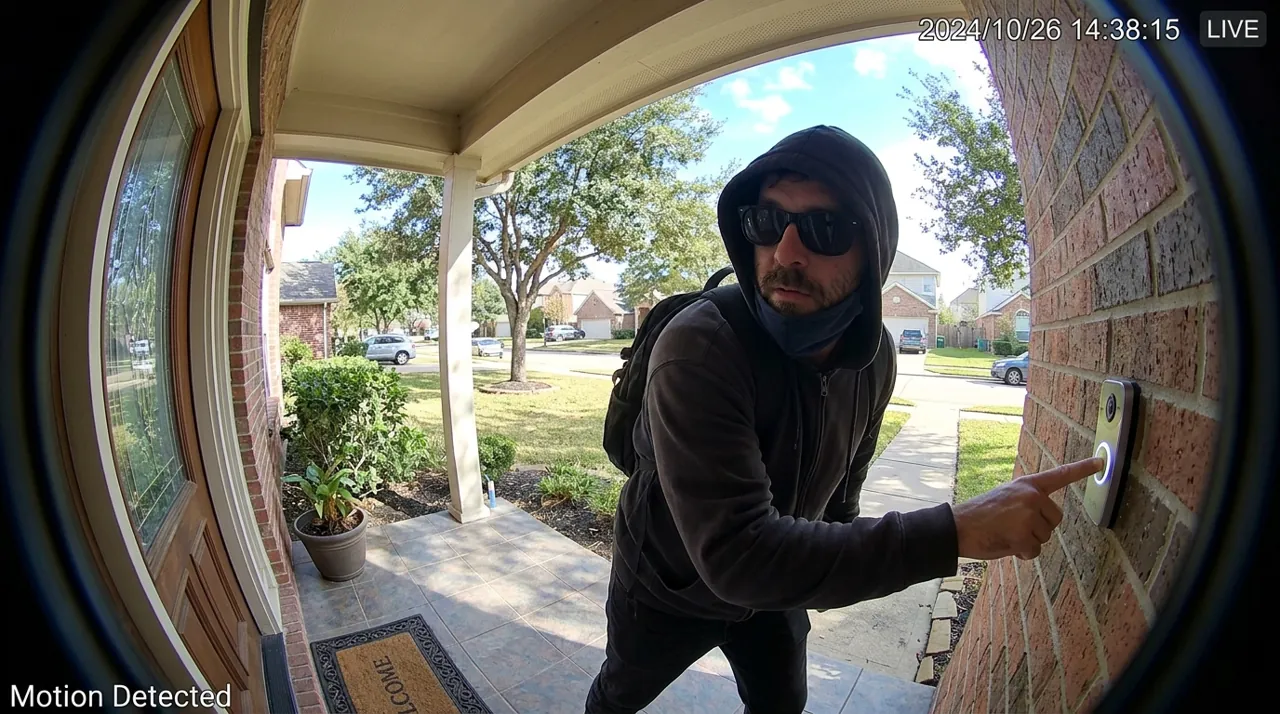
A doorbell camera is a doorbell with a small camera, speaker and microphone built in. When someone comes to the door, your phone gets an alert and you can see and talk to them, even if you’re not home.
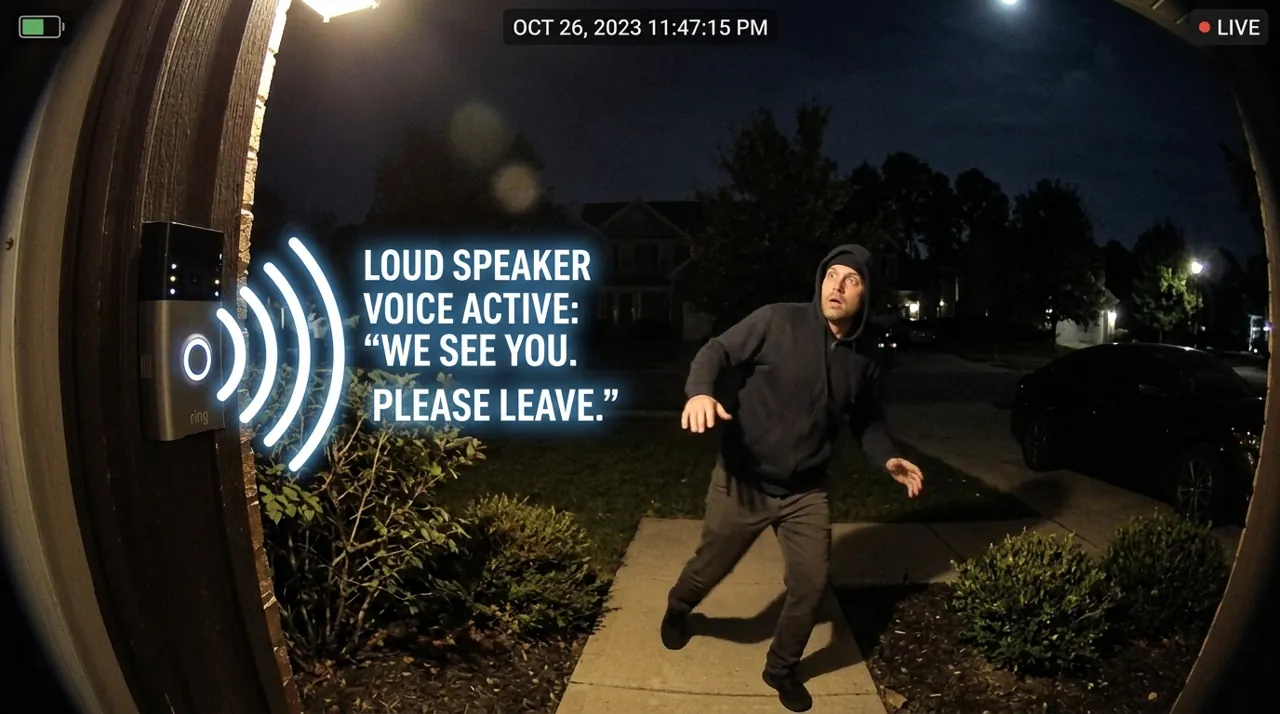
Think of it as a peephole you can check from anywhere. It helps you screen visitors, know when a parcel arrives, and put off some opportunistic thieves who notice a camera at the door.
The catch is recorded video. Most big brands show you the live picture for free. But saving clips to watch later usually needs a monthly subscription (a paid plan with the brand). Without it, you may not be able to see who took a parcel after the fact.
The one thing to do: before you buy, check whether the doorbell saves clips without a subscription. If it doesn’t, add the monthly fee to the price. If you already have working doorbell wiring, choose a wired model so you never have to recharge it.
Doorbell Cameras Worth Considering

The most-reviewed video doorbell tracked on this site with one of the deepest, highest-rated review bases we track, and the model most first-time buyers land on. Its head-to-toe view shows the package on the mat rather than cropping it out. It runs on a removable rechargeable battery with no wiring required. Recorded clip history requires a Ring Protect subscription.
Why You Should Get This
If you’re trying a doorbell camera for the first time and want the most review-validated option, this is it.
Benefits
- Deepest review base of any video doorbell tracked on this site.
- Head-to-toe view shows the whole doorstep.
- No wiring required.
Pros and Cons
- Largest, most trustworthy review base.
- Motion zones cut sidewalk false alerts.
- Live view and two-way talk work with no plan.
- Recorded clip history needs a subscription.
- 1080p rather than 2K.
- Battery recharge every two to four months on a busy door.
Features
- Head-to-toe 1:1 view.
- Removable battery or hardwiring.
- Two-way talk with quick replies.

One of the few doorbells that keeps detection and recording working with no subscription at all, pairing 2K+ resolution with a 180-degree head-to-toe field of view. A plug-in chime ships in the box. Owners rate it solidly and specifically call out avoiding the recurring fee that Ring and Nest require for saved clip history.
Why You Should Get This
If you want to try a doorbell camera without committing to a subscription at all, this is the honest way to do it.
Benefits
- Subscription-free local storage and on-device detection.
- Plug-in chime included in the box.
- 180° field of view genuinely shows the doorstep.
Pros and Cons
- No subscription required for full recording and detection.
- Chime included, unlike most competitors.
- Runs on battery or existing wiring.
- Smaller review base than Ring.
- Person/vehicle/package detection accuracy varies by lighting.
- Less mature ecosystem than Ring or Nest.
Features
- 2K+ video, 180° field of view.
- Person, vehicle and package detection on-device.
- Battery or existing-wiring power.
What a Doorbell Camera Actually Solves
Visitor screening. See and speak to whoever’s at the door before opening it, from anywhere with a phone signal — genuinely useful for both convenience and safety.
Package awareness. A notification the moment something is delivered, and (with recorded history) a clip of who picked it up if it goes missing.
Basic deterrence. A visible camera at the most obvious entry point is a real, if modest, deterrent against opportunistic activity — in a UNC Charlotte survey of 422 incarcerated burglars, outdoor cameras and other surveillance equipment were among the signs of increased security offenders said they weigh when choosing a target.
The Subscription Catch
This is the honest complication. Ring, Arlo, Nest and Blink doorbells all give you live view and a notification on the free tier, but saved video history is limited or missing without a paid plan. Nest is a partial exception, with 3 hours of free event video history on the Google Nest Doorbell (battery) and up to 6 hours of event video previews on the newest wired model; Blink’s Video Doorbell can save clips locally with no subscription if you pair it with a Sync Module 2 (USB drive) or Sync Module XR (microSD card). If your main interest is reviewing what happened after the fact — who took the package, who rang the bell while you were out — the free tier alone often doesn’t deliver that, and budgeting the subscription is really part of the purchase decision, not an optional add-on.
If you are hunting for the best doorbell camera without a subscription, alternatives exist and record locally with no fee — see best video doorbell without subscription if avoiding that recurring cost is the priority.
Tip If your door already has working doorbell wiring, wiring the camera in removes the most common doorbell complaint, the recharge cycle, at no extra effort.
Cost, Realistically
Hardware runs from entry-level to premium pricing depending on brand and resolution. If you go the subscription route, add a modest to moderate monthly fee depending on brand and whether you’re covering just the doorbell or a whole household of devices. Add up the five-year cost and that recurring fee frequently exceeds the doorbell’s own purchase price — worth factoring in before checkout rather than after the first incident with no saved footage.
Battery or Wired: Which Installation Actually Suits Your Door
Battery doorbells, the wireless doorbell camera option for most doors, are the default recommendation for most buyers because they install without touching existing wiring, work on a rental, and move with you. The trade-off is a recharge cycle that shortens on a high-traffic door. Wired doorbells that reuse existing doorbell wiring solve the recharge problem entirely, since they trickle-charge continuously, and several models also keep a small internal battery as backup if the wiring briefly loses power. The honest guidance: if your door already has working doorbell wiring, wiring it in removes the single most common doorbell complaint at no extra effort. If it doesn't, or you're renting, battery is the simpler and more reversible choice.
What Consumer Reports says: In its video doorbell guide, Consumer Reports notes that most current doorbells offer free local storage on a microSD card or built-in memory, with cloud plans running roughly $3 to $20 a month depending on the brand. It describes battery models as easier to install but in need of a recharge every few months, and wired models as able to support continuous recording. It also flags that footage sent over the internet raises data privacy and security questions worth weighing. Consumer Reports also notes that no Ring model currently breaks into the very top of its doorbell ratings, though it says that doesn’t make them bad products. Our rankings weigh owner reviews and review volume rather than lab scores, so where a Ring doorbell leads here, the two methods are measuring different things.
Who Benefits Most
Households with regular deliveries, anyone who wants to screen visitors before opening the door, and renters (battery models install with no drilling and remove cleanly when you move). See best security camera for front door and best security camera for apartment for those specific situations.
What Owner Reviews Actually Say About Doorbell Cameras
Across the mainstream brands, the same handful of themes repeat often enough to treat as reliable rather than anecdotal. The single most consistent compliment is peace of mind. Owners across every brand report checking who is at the door before opening it, especially when home alone or expecting a delivery, as the feature they use daily rather than occasionally. The most consistent complaint, almost as universal, is discovering after purchase that recorded clip history sits behind a subscription. Owners frequently describe this as a bait-and-switch, even though it is disclosed on the product page. Battery life is the second most common complaint. It shows up most on doorbells facing a busy street or sidewalk, where passing traffic triggers far more motion events than the manufacturer's quoted battery estimate assumes. Video doorbells with a tall, head-to-toe field of view consistently earn praise for actually showing the package on the mat. Older or narrower designs get criticized for cropping it out of frame entirely. Notification speed is the fourth recurring theme. A delayed alert that arrives after a visitor has already left is one of the most common one-star complaints across every brand in this category, more so than picture quality itself.
Pros and Cons at a Glance
Pros: genuine deterrence at the highest-traffic entry point in most homes, live two-way conversation with a visitor from anywhere, a notification the moment a delivery arrives, and (with recorded history) documented evidence for a police report or an insurance claim. Installation is usually a same-afternoon job with no electrician required.
Cons: most of the practical evidentiary value depends on a subscription that mainstream brands do not make optional in practice, battery models need periodic recharging that scales with traffic at the door, and a doorbell alone does nothing for the rest of the property — a side gate, a backyard, or a detached garage all need separate coverage.
Doorbell Camera Alternatives Worth Knowing About
A doorbell camera is not the only way to cover a front entry, and it is worth knowing the alternatives before assuming it is the default choice. A general outdoor camera mounted near the door covers a wider area — useful if the driveway and the doorstep both matter — but usually frames a visitor's face and a package less deliberately than a purpose-built doorbell does. Subscription-free doorbells that record locally to onboard storage exist and remove the recurring-fee objection entirely, at the cost of a smaller brand ecosystem than Ring or Nest; see best video doorbell without subscription for that route. For a rental where even a battery doorbell swap feels risky, a standalone battery camera repositioned near the door achieves much of the same visibility with zero permanent change to the existing hardware.
Going Deeper: What the Burglar Research Actually Measured
Most claims that visible security deters crime trace back to one kind of evidence: asking offenders directly. The study cited on this page, published by UNC Charlotte and led by Joseph Kuhns, surveyed 422 incarcerated male and female burglars. They were selected at random from state prisons in North Carolina, Kentucky and Ohio. It is worth knowing what that design can and can’t tell you.
The headline numbers are about alarms. About 83 percent said they would try to find out whether an alarm was present before a burglary, and 60 percent said they would look for another target if there was one. If they found an alarm mid-attempt, half said they would stop, another 31 percent said they would sometimes retreat, and only 13 percent said they would always carry on. So these figures don’t measure doorbell cameras directly. What they show is that many burglars check for signs of security and change course when they find them. A visible camera at the front door is one of those signs.
The study also explains why a front door matters so much. Only about 12 percent said they typically planned a burglary in advance. 41 percent called it mostly a spur-of-the-moment event, and 37 percent said it varied. The most common motivation was drugs (51 percent), followed by money (37 percent). Impulsive, opportunistic offenders make quick judgments from what they can see, and the front door is what they see first.
The same research also marks the limit of a camera. Self-reported answers from people in prison are a useful guide, not a controlled experiment. And the minority who plan ahead or always carry on are exactly the people a camera alone won’t stop. That is why this page treats a doorbell camera as a deterrent and a record, not a guarantee.
Verdict
A doorbell camera is worth it for nearly every household — the front door is simply the highest-traffic, highest-value position most homes have. Decide the subscription question deliberately rather than by default: read is Ring worth it if you’re leaning toward the market leader, or go straight to best video doorbell without subscription if the fee is a dealbreaker.
Sources & References
- 10 Best Video Doorbell Cameras of 2026 — Consumer Reports
- Learn about event and 24/7 video history — Google Nest Help
- Local Storage with Sync Module — Blink
- Blink Storage Options — Blink
- Troubleshooting battery performance — Ring
- Through the eyes of a burglar: study provides insights on habits and motivations — UNC Charlotte
- Introduction to the Reporter's Recording Guide — Reporters Committee for Freedom of the Press