
Affiliate Disclosure: Some links on this page are affiliate links. As an Amazon Associate, we earn from qualifying purchases — at no extra cost to you. We do not buy, install, or physically handle the cameras we cover; our rankings come from aggregated owner reviews, ratings and expert consensus. Commissions never change our verdicts. We're reader-supported: commissions fund hosting, research and updates, so if a guide helped, buying through our links keeps it going. How we rank · full disclosure.

Tapo 2K Wireless Smart Video Doorbell w/Chime D210
A 2K subscription-free video doorbell that includes a physical chime in the box.
Check Price →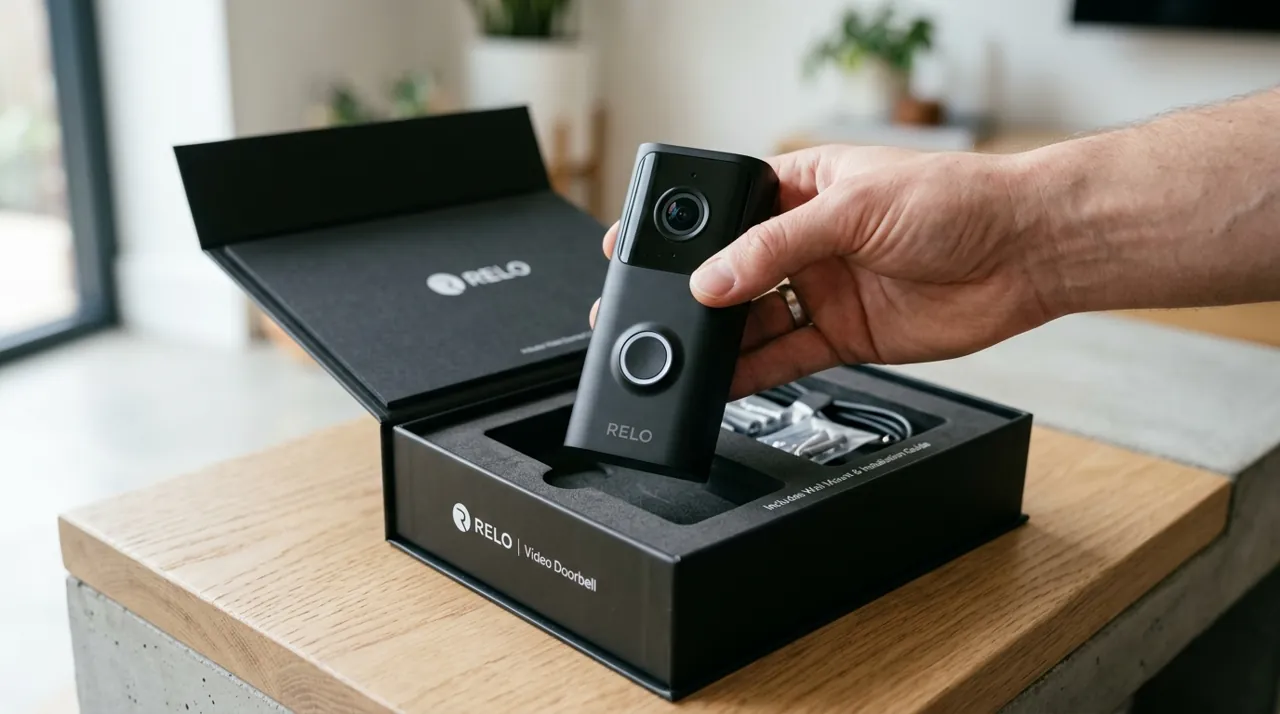
In Plain English
The Tapo D210 is a video doorbell that saves its recordings on a memory card inside the doorbell (a microSD card) instead of in the cloud. That means no monthly fee to keep your clips.
It also comes with a plug-in chime for inside the house, so you hear the ring even when your phone is in another room. Many doorbells make you buy that separately.
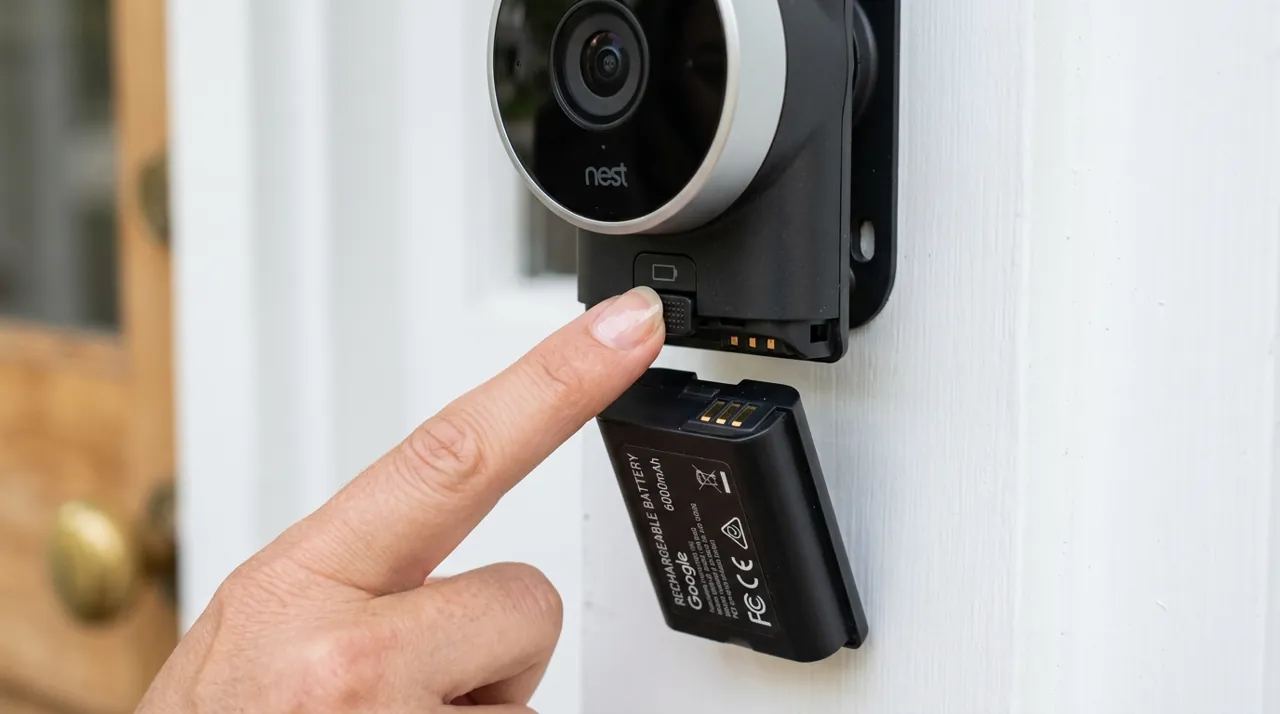
It runs only on its built-in battery; there is no way to wire it to old doorbell wires. When the battery runs low, you unclip the doorbell and charge it with a cable. A busy front door drains it faster than a quiet one, because every visitor wakes it up.
Think of it like a night-light with a motion switch. It sits there using almost nothing and only lights up when something moves.
The one thing to weigh: because the recordings live on the doorbell, a thief who takes it takes the footage too. If that worries you, Tapo offers an optional cloud plan.
Full Specifications
| Resolution | 2K 3MP (2304 x 1296), 160° diagonal field of view |
| Chime | Included physical chime |
| Storage | Local microSD up to 512GB, no subscription required (Tapo Care cloud optional) |
| Connectivity | 2.4 GHz WiFi; built-in 5,200mAh battery (up to 180 days quoted), no hardwire option; IP65 |
Summary
The Tapo D210 holds a solid rating across a deep base of verified owner ratings. As a doorbell, the Tapo D210 is a 2K wireless video doorbell that stores recordings locally with no subscription fee, and includes a physical chime unit in the box.
What owners praise
The included chime and subscription-free local storage are the two most repeated positives — owners specifically call out avoiding the recurring fees that competing doorbell brands require for saved video. 2K resolution across a wide 160-degree view is also well regarded.
What owners complain about
App polish trails the market-leading doorbell brands in a handful of reviews, and battery life varies with how frequently the doorbell is triggered — a common tradeoff across the wireless doorbell category generally. A few reviewers also note that local-only storage means losing the recorded history if the device is stolen or the microSD card fails, unlike cloud-backed alternatives.
Design and Build Quality
The D210 uses a compact, vertical housing typical of modern video doorbells. It's built to mount beside a door frame rather than replace an existing mechanical doorbell button. The shell is IP65-rated for outdoor exposure, and Tapo lists an operating range of -4°F to 113°F. Owners describe the build as solid for the price tier, without the premium metal finish of pricier flagship doorbells. The battery is built in rather than removable; a detaching pin included in the box releases the doorbell from its bracket when it needs charging. The lens and PIR motion sensor sit at the top of the unit, angled for a typical eye-level porch mount.
Key Features: 2K Resolution and Motion Zones
The D210 records 2K 3MP (2304 x 1296) across a 160-degree diagonal view (109 degrees vertical), which shows more of a visitor and the doorstep than a narrow 1080p doorbell, though a package tight against the door can still sit at the bottom edge of the frame. Motion detection zones let you mask out a street or sidewalk to cut down on irrelevant alerts from passing cars and pedestrians. Night vision switches on automatically in low light, and the built-in speaker and microphone support two-way talk through the app when someone rings.
Tapo D210 Installation and Mounting
The D210 is battery-powered only, per Tapo’s specification, so there is no wired option even if an existing doorbell wire is present at your door. The install is simple: mount the bracket (Tapo includes a wedge, screws, anchors and adhesive), angle it, and you're done, with no wiring involved. If you want to cut down on recharges, Tapo sells an optional A201 solar panel. Either way, the included chime unit pairs during setup and plugs into a standard indoor outlet, so alerts work even without a phone nearby.
App, Connectivity and the Included Chime
The Tapo app handles live view, two-way talk, motion alerts and playback of locally stored footage. Setup connects the doorbell to home WiFi during initial pairing, after which the app becomes the main point of control for settings like motion zones and notification schedule. The physical chime that ships in the box is a genuine differentiator versus doorbells that only ring through a phone app or require a separate chime purchase. Owners specifically call out having both an audible in-home chime and phone alerts as more reliable than relying on notifications alone.
Battery Life and Power Considerations
Battery life varies with how often the doorbell triggers and how many recordings it captures in a given week, which is typical across the wireless doorbell category rather than specific to this model. A busy front door with frequent foot traffic drains the battery faster than a quiet side entrance. The battery is built in, so recharging means releasing the whole unit from its bracket and charging it over a cable, leaving the door uncovered while it charges. Tapo quotes up to 180 days per charge. Owners on a high-traffic street report needing to recharge more often than the general estimates on the packaging suggest, so treat any stated battery life as a best-case figure and check the current listing for the manufacturer's latest estimate.
Performance and Reliability From Owner Reviews
Daytime footage at 2K is described as sharp and detailed, with the wide 160-degree view repeatedly praised for capturing more of the visitor than a narrow 1080p doorbell would. Night vision performance is solid for the price tier, though not quite matching pricier flagship doorbells in low-light detail. Motion alert speed is generally reported as fast enough to see a visitor in real time before they finish knocking. The most common reliability note from owners involves occasional missed notifications tied to home WiFi signal strength at the door, a general wireless-doorbell issue rather than one specific to this unit.
Local Storage vs Cloud Backup
Storing footage locally rather than in the cloud is the core tradeoff behind the D210's no-subscription pricing. There's no monthly fee for recorded event history, which adds up to real savings over a doorbell's lifespan compared to a subscription model. The flip side is that local storage lives on the device itself, typically a microSD card. If the doorbell is stolen off the wall, or the card fails, that recorded history goes with it. Buyers who specifically want an off-site cloud backup as insurance against device theft should weigh that against the ongoing subscription cost before choosing a local-storage doorbell over a cloud-backed one.
Who It’s For
Buyers who want a capable video doorbell with a genuinely no-subscription local-storage model and a chime included in the box. It particularly suits a household that wants a reliable in-home chime alongside phone alerts, and doesn't need deep smart-home ecosystem integration beyond basic app control. Anyone replacing an aging mechanical doorbell for the first time gets a straightforward upgrade path without committing to a recurring cloud fee.
Who Should Skip It
If deep smart-home ecosystem integration matters more than price, see best video doorbells for premium alternatives. Buyers who specifically want off-site cloud backup as theft insurance for recorded footage should also weigh a subscription-based doorbell instead.
Pros and Cons
Pros: no subscription required, chime included, 2K resolution, solid review base.
Cons: app polish trails market leaders, battery life varies with usage.
Going Deeper: How a Battery Doorbell Reaches 180 Days
The D210 can’t record around the clock. TP-Link’s D210 FAQ says it doesn’t support 24/7 recording because it is battery-powered, and instead offers event-triggered recording such as motion detection. That design choice is what makes months-long battery life possible: the doorbell spends most of its time waiting rather than recording.
What wakes it is a passive infrared sensor. Tapo’s D210 specifications list a single PIR motion sensor with a 25-foot detection range. PIR sensors, as Ring explains in its motion detector guide, “detect motion by detecting changes in heat,” so the doorbell can stay on watch while nothing warm moves in front of it and bring its camera and WiFi into play when someone approaches.
That is also why the stated battery life is a best case. Tapo quotes 180 days and notes that the time of use includes recording and watching live views, and that actual battery life may vary with device settings, usage, router specifications and environmental factors. Every visitor, delivery and live-view check spends charge, and so does a weak WiFi signal: Reolink’s battery-camera guidance notes that a poor connection makes a camera “consume more power in transmitting data.”
The optional Tapo A201 solar panel changes the charging routine rather than the battery. TP-Link says it allows continuous charging and can help extend battery life without frequent manual recharging. Give the panel a sunny position, keep motion zones tight around the path to your door so passing cars don’t wake the doorbell, and the 180-day figure becomes more realistic — though a busy, street-facing door will still need attention sooner.
Verdict
A well-evidenced, subscription-free video doorbell that includes everything needed out of the box. See best video doorbells for how it compares against the field.
Accessories for This Camera

Best for an audible indoor chime for eufy doorbell households.

Best for angling this camera precisely under an eave, soffit or shelf.
Alternatives to Consider
- Arlo Video Doorbell 2K + Chime review
- Ring Battery Doorbell review
- Best Video Doorbell Cameras — the full ranked field
Sources & References
- Tapo D210 2K Battery Video Doorbell — TP-Link Tapo
- Comparing Ring Plans — Ring
- Using IP Cameras Safely — Federal Trade Commission
- Frequently Asked Questions About Tapo D210 — TP-Link
- Maximizing Your Smart Lights Motion Detectors — Ring
- How to Extend the Battery Life of Reolink Battery-Powered Cameras — Reolink Support