
Affiliate Disclosure: Some links on this page are affiliate links. As an Amazon Associate, we earn from qualifying purchases — at no extra cost to you. We do not buy, install, or physically handle the cameras we cover; our rankings come from aggregated owner reviews, ratings and expert consensus. Commissions never change our verdicts. We're reader-supported: commissions fund hosting, research and updates, so if a guide helped, buying through our links keeps it going. How we rank · full disclosure.
Short version: the TECKNET Wireless Motion Sensor Door Chime is the best overall pick — the highest star rating of any motion sensor alarm we track, and it doubles as an entry chime. The CPVAN 125dB Alarm is the pick when you want a genuinely loud siren rather than a subtle chime.
Need long-range outdoor coverage instead? See best driveway alarm.
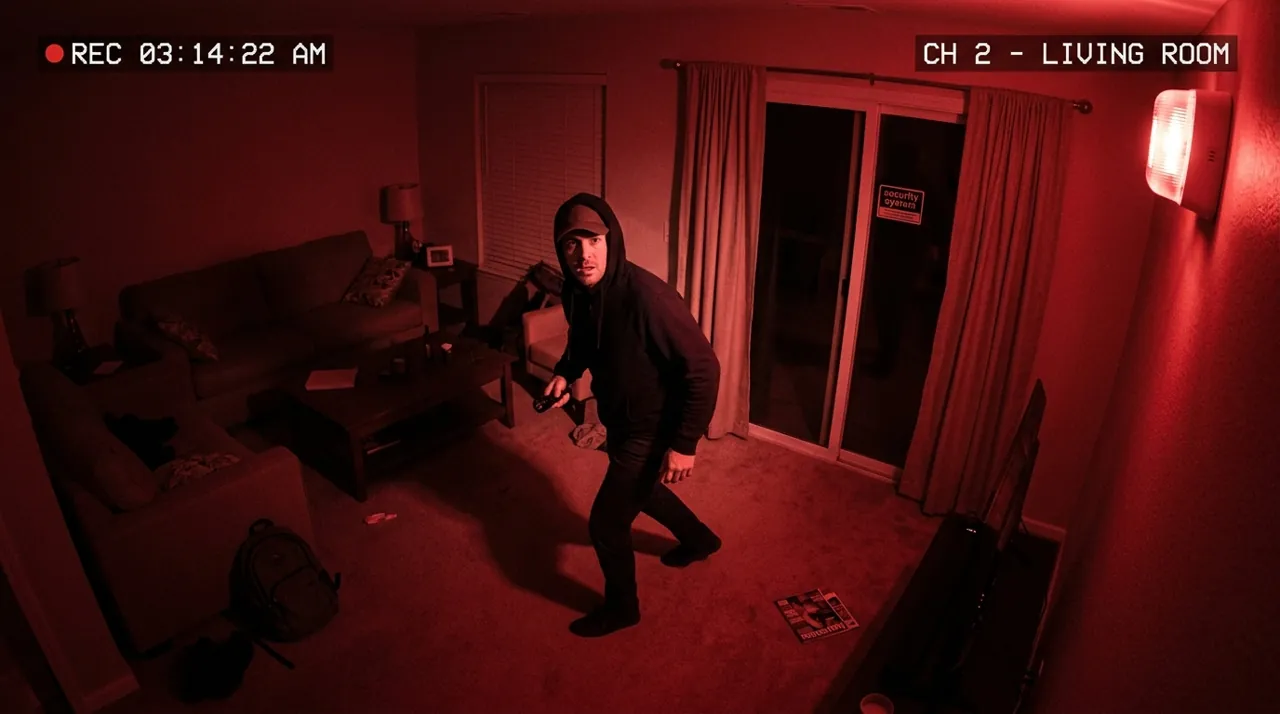
In Plain English
A motion sensor alarm is a small, usually battery-powered gadget that sounds when someone walks past it. Shops use them as door chimes; homeowners use them to guard a hallway, garage or back room.
They use PIR (passive infrared), which means they notice the warmth of a moving body. They don’t take pictures and don’t need WiFi or a subscription.
The big choice is how loud. A chime is a polite “someone’s here,” like a shop bell. A loud alarm, often 100 decibels or more, is meant to startle an intruder. The TECKNET is the top-rated chime; the CPVAN is the loud one.
Where you put it matters most. Corners and hallway pinch points work best, because people are funneled past. Keep it away from heat vents, sunny windows and spots where pets walk, since changes in warmth can set it off. After installing, walk past at a normal pace to test it.
What to Look For in the Best Motion Sensor Alarm
A good motion sensor alarm comes down to a handful of practical questions. Does it alert loudly enough to matter for your situation, or is a quiet chime what you actually want? How wide and how far does the detection zone reach? Does it need batteries, a wall outlet, or both? Is there an app or subscription involved, or is it a simple standalone unit? Owner reviews are the best evidence for how a specific alarm performs once it is actually living in someone's hallway or doorway, since a spec sheet cannot tell you how often a unit false-trips on a pet or a draft.
How PIR Motion Detection Works
Most indoor motion sensor alarms use passive infrared, PIR, detection. A PIR sensor watches for a change in infrared heat energy moving across its field of view: its lens splits the view into interleaved zones, and a warm body passing from one zone to the next creates the change it reacts to. That is why a person walking past reliably triggers it while a stationary object does not. PIR technology is inexpensive and reliable. It needs no line-of-sight to a base station, which is part of why it dominates this budget-friendly end of the motion alarm category. It is not the only detection method used in security devices generally, but for a simple indoor motion sensor alarm it is the standard.
Chime vs Loud Alarm: Choosing the Alert Type
This is the single biggest decision in this category. A chime-style alert, like a door chime function, gives you a polite notification: someone walked in, nothing more. A loud alarm, often rated at 100dB or higher, is designed to startle and deter, not just inform. Neither is wrong. A shop owner wanting to know a customer arrived wants a chime. Someone wanting an audible deterrent against an intruder wants the loud option, an indoor motion sensor alarm with siren like the CPVAN. Some units genuinely do both, switching modes depending on how they are configured.
Indoor vs Outdoor Motion Sensor Alarms
The motion sensor alarms in this category are built for indoor use: a single room, a hallway, an entryway or a small shop floor. They are not weatherproofed for permanent outdoor exposure the way a dedicated driveway alarm or outdoor motion light is. If you are shopping for a motion detector alarm outdoor, such as coverage for a long driveway, a gate or a large outdoor perimeter, that is a different product category built around longer range and weather resistance, not the compact indoor units covered here.
Placement and Detection Range
Detection range and the width of the sensing cone both determine how a motion sensor alarm performs in practice. A unit mounted too high or at the wrong angle can miss a person walking directly beneath it. One mounted at a natural walking-height sightline tends to trigger more reliably. Corners and hallway chokepoints are usually the most effective placement, since foot traffic is funneled through a narrower space rather than spread across an open room. As one manufacturer example, SimpliSafe's installation guide recommends 4 to 6 feet off the ground, says a corner gives its sensor the best visibility, and advises keeping it away from AC units, vents and heat-generating objects.
Battery Life and Power Options
Most units in this category run on standard batteries rather than requiring a permanent wired connection. That is part of what makes them so quick to install: no electrician, no drilling into a wall for power. Battery life varies with how often the sensor triggers and whether it includes always-on features like a backlit display or WiFi connectivity. A simple battery-only PIR chime with no wireless connection will typically outlast a WiFi-connected unit by a wide margin, since a radio held on standby draws power continuously.
Avoiding False Alarms
A pet, a curtain moving in a draft, sunlight sweeping across a room, or a change in temperature from an HVAC vent can all occasionally trigger a PIR sensor. Adjustable sensitivity, offered on many but not all models, helps tune a unit for a home with pets without losing the ability to detect an actual person. Placement away from heat sources, direct sun exposure and HVAC vents reduces nuisance triggers regardless of the specific unit's sensitivity settings.
Who a Motion Sensor Alarm Is For
A motion sensor alarm suits several kinds of buyers. A homeowner who wants a simple, self-contained alert with no subscription is one. A shop owner who wants to know when a customer walks in is another. A renter who cannot install a hardwired system is a third. Anyone adding a second layer of alert to a single room or entry point fits here too. It is not a replacement for a full monitored security system with cameras and professional dispatch. As a standalone, no-subscription layer of awareness for one space, though, it is hard to beat on simplicity and price.
Motion Sensor Alarm for Home Security vs a Full Security System
A motion sensor alarm and a full security system solve different problems. A monitored security system typically bundles cameras, door and window sensors, a central hub and often professional monitoring, at a correspondingly higher cost and setup effort. A motion sensor alarm from this category does one job well: alert on motion in one specific space, with no hub, no monitoring fee and a same-day setup. Many buyers use both together: a full system for whole-home coverage and one or two standalone motion alarms for a specific room the main system does not cover well, like a garage, workshop or basement stairwell.
Installation Tips for Best Results
Getting the most out of any motion sensor alarm in this category comes down to a few simple habits. Mount it at a height and angle that puts likely foot traffic through the center of its detection cone, not along the edge where sensitivity drops off. Keep it away from heat vents, direct sunlight through a window and anywhere a pet regularly walks if false alarms are a concern. Test the unit after installation by walking through the space at a normal pace, rather than assuming factory settings suit your specific room without checking.
Top Rated Picks at a Glance

The Ranked Field: Star Rating, Consensus and Price

Best for the highest-rated indoor motion alert device we track, doubling as a door chime.
- Fast PIR detection.
- 5-second alert interval to avoid repeat triggers.
- No WiFi or subscription required.
- Over 2,500 verified owner ratings.
Why buy it: The highest star rating of any motion sensor alarm we track, functioning as both a security alert and a customer/visitor entry chime.
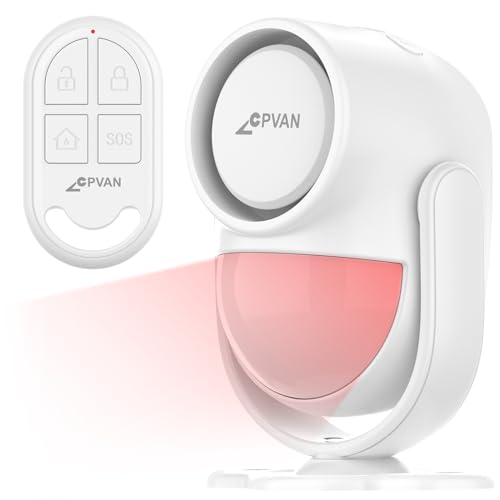
Best for a genuinely loud, attention-grabbing indoor motion alarm.
- 125dB alarm siren.
- Wireless PIR motion detector.
- Remote control included.
- Nearly 2,000 verified owner ratings.
Why buy it: The loudest alarm on this page at 125dB, built for situations where a genuine siren matters more than a subtle chime.
Comparison Table
| Product | Best for | Buy |
|---|---|---|
| TECKNET Wireless Motion Sensor Door Chime | Best Overall | Price |
| CPVAN 125dB Motion Sensor Alarm | Best Loud Alarm | Price |
How We Rank
We do not buy or physically install these devices. Every star rating and review count comes from licensed Amazon data. Full method on how we rank.
Going Deeper: Why the Placement Rules for PIR Sensors Exist
Every placement tip on this page traces back to how a passive infrared sensor works. Adafruit’s technical guide describes two slots of infrared-sensitive material that normally see the same background infrared from a room’s walls and floor. When a warm body passes, it reaches one half first, creating a difference between the two, and a faceted Fresnel lens multiplies that effect into a fan of detection zones across the room. The sensor responds to that change, which is why a person walking through the zones triggers it while a stationary object does not.
The sensor also needs contrast. Panasonic, which makes PIR sensors, says its sensors detect changes in the energy of infrared rays and guarantees detection when there is a difference of 4°C or more between a body and its surroundings, noting that detection fails mainly when that difference is small. A room heated close to body temperature, or a spot baking in afternoon sun, narrows the contrast the sensor depends on.
Manufacturer installation guides turn that physics into rules. SimpliSafe’s installation guide for its own motion sensor recommends mounting 4 to 6 feet off the ground, notes a 90-degree field of view that works best from a corner, gives a detection range of up to 35 feet, and advises against installing near AC units, vents or heat-generating objects because changing heat signatures can cause false alarms. It also offers a Pet Mode designed to distinguish people from pets up to 60 pounds. Other brands’ figures differ, but the logic is the same.
Reolink describes the same weak spots from the other direction: PIR sensors can be triggered by heat sources like radiators or sunlight, and can struggle where temperatures are extreme or change quickly (Reolink). Those are precisely the spots — vents, sunny windows, radiators — this page tells you to avoid.
The Verdict
The TECKNET Wireless Motion Sensor Door Chime is the right default for most buyers — the highest rating in the category and dual use as an entry chime. Choose the CPVAN 125dB Alarm specifically when a loud siren matters more than a polite notification.
Sources & References
- How PIRs Work — Adafruit Learning System
- Motion Sensor Gen 2 Installation Guide — SimpliSafe Support
- How Do Motion Sensors Work? — SimpliSafe
- Panasonic’s PIR Motion Sensors — Panasonic Industrial Devices
- PIR Motion Sensor — Reolink