
Affiliate Disclosure: Some links on this page are affiliate links. As an Amazon Associate, we earn from qualifying purchases — at no extra cost to you. We do not buy, install, or physically handle the cameras we cover; our rankings come from aggregated owner reviews, ratings and expert consensus. Commissions never change our verdicts. We're reader-supported: commissions fund hosting, research and updates, so if a guide helped, buying through our links keeps it going. How we rank · full disclosure.
Short version: owning a hidden video camera is generally legal; unlawful placement or unauthorized audio recording is not. This page is general information, not legal advice — see when a hidden camera is legal for the full legal framework before buying or using one.
The video cameras on this hub are generally legal to own throughout the US. What determines whether using one is lawful is where you place it. It also depends on whether you record audio, and who you're recording. This guide walks through the practical framework behind those rules. It covers how video and audio are treated differently, and which placements are clearly fine versus clearly not. It also covers gray-area situations, like a shared home office, an elderly parent's room, or a rental you don't occupy. Those depend on your specific state and circumstances. None of this is legal advice for your situation. It's the background you need before deciding whether to consult an attorney.
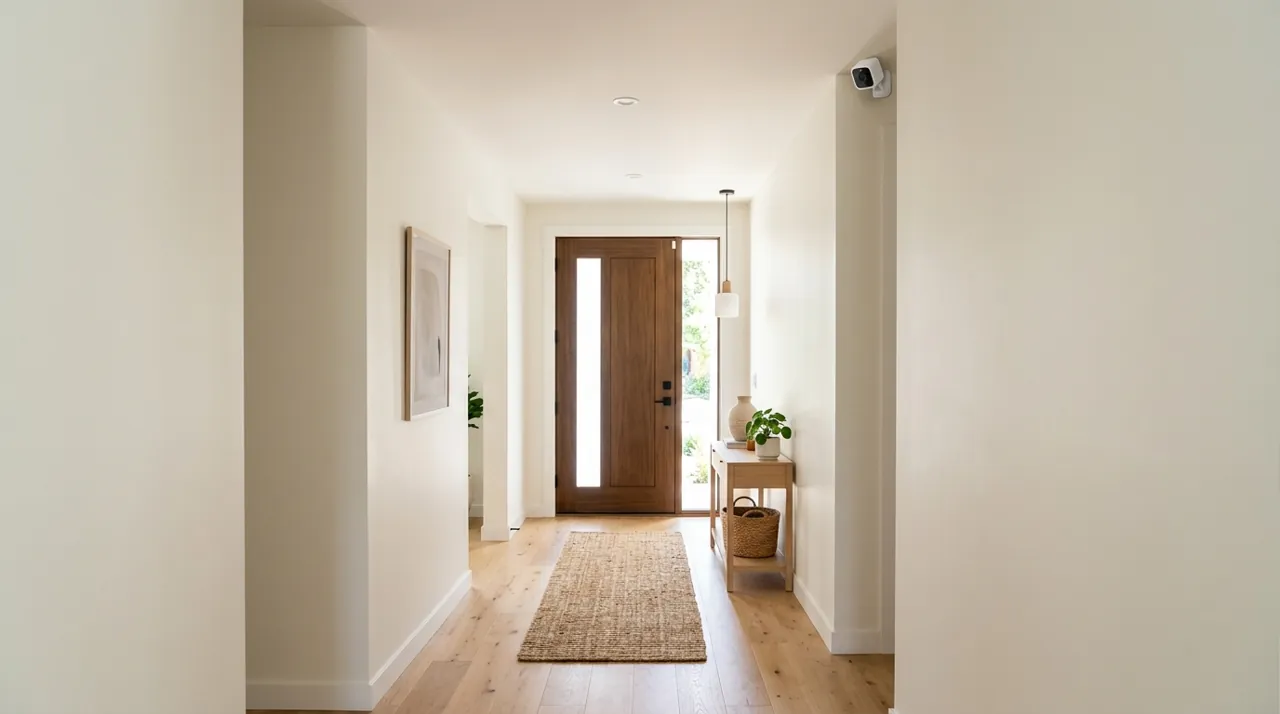
What Counts as a Hidden Camera on This Hub
This hub covers cameras housed to blend into a room rather than announce their presence. That's different from a visible camera mounted openly. The distinction matters, because the discreet housing is what creates the extra legal complexity covered below. A standard, openly-visible indoor camera avoids nearly all of it. There's simply no question of covert placement to begin with. If the legal framework here feels like more than you need for a straightforward home security purpose, that's often a sign a visible camera is the simpler, lower-friction choice.
The Core Legal Framework: Location, Consent and Privacy
Three questions determine whether a specific use is lawful. First, is the location one where a person has a reasonable expectation of privacy? A bathroom or a bedroom used by someone else are common examples. Recording video there is essentially never legal, regardless of who owns the property. Second, are you recording audio? If so, does your state require every recorded party's consent? Third, do you have legal control over the space, such as owning or renting the home yourself? Getting a clear answer to all three questions before buying or placing a camera is the single most useful thing this hub can offer.
Video vs Audio: Why the Law Treats Them Differently
Video-only recording in a common area you control is generally the most legally straightforward use case on this hub. Audio is a separate and stricter question. About 11 states are two-party, or all-party, consent states, according to the Reporters Committee for Freedom of the Press, and a few others apply that rule only in specific situations. That means every person being recorded must consent to audio recording specifically, not just the person doing the recording. Most other states, and federal law, require only one party's consent, which can be yours only if you take part in the conversation. Some states treat secret or hidden recording differently: in Illinois, Massachusetts and Montana the offense is tied to secret, surreptitious or hidden recording, Delaware’s statutes conflict, Michigan’s all-party rule is clearest for recordings by someone outside the conversation, and in Washington consent by announcement requires the announcement itself to be recorded. Recording audio without required consent can carry both criminal and civil liability. Check your specific state's wiretap or eavesdropping statute before enabling audio on any camera, hidden or visible.
Common Lawful Use Cases
Monitoring a nanny, babysitter, or in-home caregiver in the common areas of your own home is a widely cited legitimate use. It should stay video-only unless every party consents to audio. The same logic extends to checking on an elderly parent living with you, in shared spaces rather than their private bedroom or bathroom. General home security monitoring of your own living space follows the same rules as any other camera on this site, discreet housing aside.
Placements to Avoid Without Exception
A bathroom, a bedroom used by anyone other than you, or any space where a person could reasonably expect not to be observed. These placements are essentially never legal, regardless of your relationship to the person or your ownership of the property. This applies equally to a guest room, a rental unit's private living space, or an employee's designated workspace. There is no content on this hub that instructs on covert surveillance of another person without legal right to do so.
Renters, Landlords and Employers Need Extra Care
A landlord covertly recording a tenant's private living space risks violating landlord-tenant law and state recording statutes alike. This applies even in common areas of a unit the tenant exclusively occupies. An employer generally has more legal latitude than in a home, but not unlimited latitude. Hidden cameras in a break room, bathroom, or other space with a reasonable expectation of privacy remain typically illegal. Many states also require some notice or policy disclosure for workplace monitoring, even where covert recording of work areas is otherwise permitted. Both scenarios warrant a conversation with an attorney familiar with your state's specific rules before installing anything.
Detecting a Hidden Camera in a Space You Don't Control
Suppose you suspect a camera has been placed somewhere you're staying but don't own, like a rental or a hotel room. A dedicated detector device is the appropriate tool for checking, not a countermeasure you build yourself. A detector typically scans for the RF signal a WiFi-connected camera transmits. Some instead use a lens-reflection method to spot a hidden lens under specific lighting. Neither approach requires touching or disabling anything you find. See top-rated hidden camera detectors for picks. Report anything you find through the property manager, the platform, or law enforcement rather than confronting anyone directly. Document the location and take photos before you leave the space, since that record supports whatever report or claim follows.
Choosing a Camera for Lawful Home Use
Once you've confirmed a use is lawful, buy a finished, pre-housed camera from a known brand. Resolution, storage and WiFi connectivity vary meaningfully across the category. For most home security purposes a visible indoor camera does the same job with fewer legal questions; see the indoor cameras hub. See best hidden camera for models ranked by owner rating.
Common Questions
For product picks, see best hidden camera or a ranked list of hidden camera detectors. For childcare-specific guidance, see the nanny cam covert security guide.
Sources & References
- Introduction to the Reporter's Recording Guide — Reporters Committee for Freedom of the Press
- 18 U.S. Code § 2511 - Interception and disclosure of wire, oral, or electronic communications prohibited — Cornell Law School Legal Information Institute
- 18 U.S. Code § 2512 - Manufacture, distribution, possession, and advertising of wire, oral, or electronic communication intercepting devices prohibited — Cornell Law School Legal Information Institute
- 18 U.S. Code § 1801 - Video voyeurism — Cornell Law School Legal Information Institute
- Use of cameras and recording devices — Airbnb Help Center