
Affiliate Disclosure: Some links on this page are affiliate links. As an Amazon Associate, we earn from qualifying purchases — at no extra cost to you. We do not buy, install, or physically handle the cameras we cover; our rankings come from aggregated owner reviews, ratings and expert consensus. Commissions never change our verdicts. We're reader-supported: commissions fund hosting, research and updates, so if a guide helped, buying through our links keeps it going. How we rank · full disclosure.

Aootek Solar Motion Sensor Lights Outdoor, 120 LEDs, 6-Pack
Six well-reviewed solar motion lights in one purchase, for covering an entire property perimeter.
Check Price →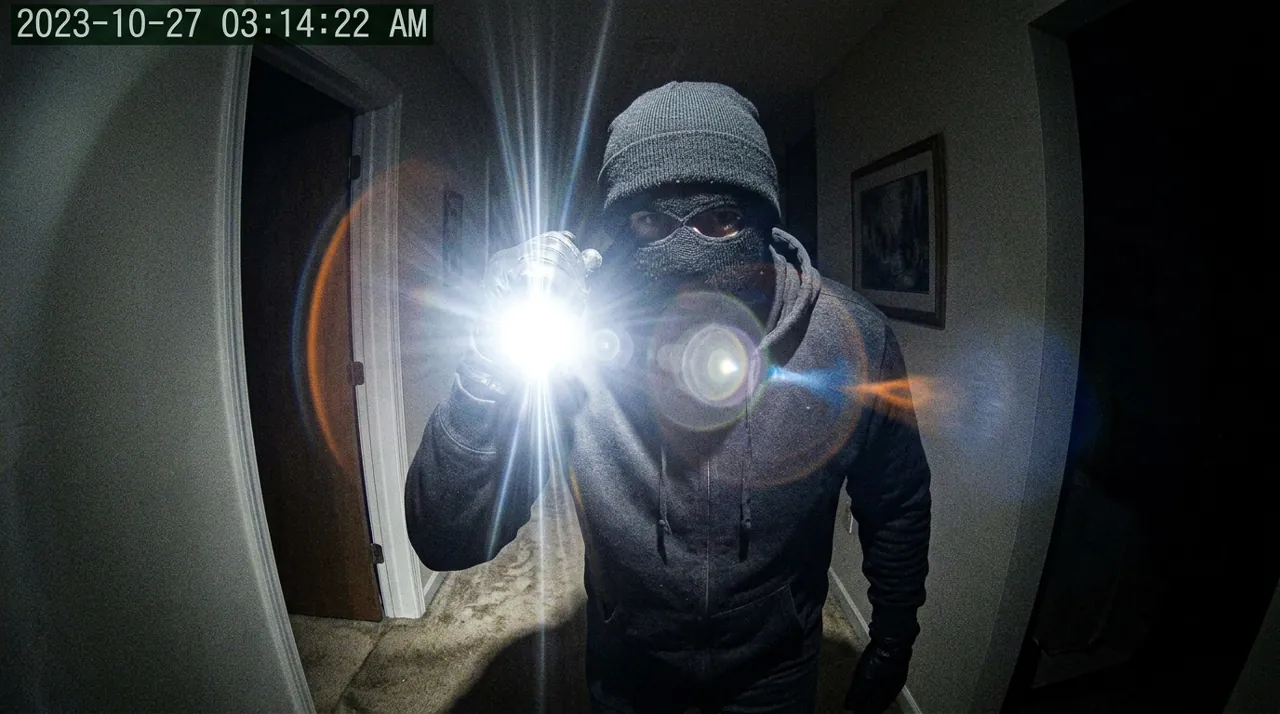
In Plain English
This is a pack of six solar lights. Each one has its own small solar panel (a flat panel that turns sunlight into electricity), a battery, 120 little LED bulbs and a motion sensor. During the day the panel charges the battery. At night, when someone walks past, the light switches on. Think of each one as a tiny solar-powered porch light that only wakes up when needed.
Why it matters: you can light up all the corners and paths around your home without hiring an electrician or running any wires. The catch is sunlight. Each light charges separately, so each spot needs its own sun. The one thing to do before drilling any holes is to check each planned spot at different times of day and make sure it gets several hours of direct sunshine.
Full Specifications
| LEDs per unit | 120 |
| Units included | 6 |
| Power | Solar, no wiring required |
| Lens | Reflective, for wide coverage |
Summary
The Aootek Solar Motion Sensor Light holds a strong rating across one of the deepest evidence bases of any solar security light this site tracks. Sold as a 6-pack, it’s aimed squarely at buyers who want to cover an entire property perimeter from a single purchase rather than shopping for individual units.
What owners praise
The value of covering six positions in one order is the most repeated theme, along with consistent triggering and a genuinely wide reflective-lens coverage area per unit. Owners report the solar charging holding up well through normal seasonal use in reasonably sunny climates.
What owners complain about
As with any solar light, performance drops in low-sun winter stretches or shaded mounting positions — a category-wide limitation rather than one specific to this product. A minority of reviews mention wanting adjustable sensitivity to reduce triggers from small animals.
Design and Build
Each Aootek unit pairs a 120-LED light panel with an attached solar panel and motion sensor in a single compact housing. There's no separate panel to mount elsewhere, unlike some solar lights that split the panel and light head into two pieces connected by a cable. Owners describe the plastic housing as sturdy for its price point, built for years of exterior exposure rather than a single season. The reflective lens behind the LEDs is a specific design choice that spreads light wider than a flat panel would, a detail reviewers connect directly to the unit's real-world coverage.
Installation Across Multiple Positions
Because each unit is designed to mount with screws rather than adhesive alone, installation is a genuine drill-and-screw job, not a stick-and-hope one. That's a small tradeoff for a considerably more permanent hold on an exposed fence post, wall or eave. With six units in the pack, most owners describe planning the whole perimeter first, then mounting one position at a time over an afternoon rather than rushing all six at once. No electrical wiring or junction box is involved at any position, which is the core appeal of going solar across an entire property rather than hardwiring six separate fixtures.
Solar Charging and Sun Exposure
Each unit charges independently through its own built-in solar panel, meaning six lights need six positions with reasonable daily sun exposure, not just one good spot. In the US, a north-facing wall, a heavily shaded corner or a position under a deep eave will all underperform regardless of how well the rest of the property is positioned. Owners consistently recommend checking each specific mounting spot for several hours of direct sun before committing to a position, rather than assuming uniform performance around the whole perimeter.
Brightness and Coverage Per Unit
At 120 LEDs per unit with a reflective lens design, owners describe each light as covering a meaningfully wide arc, well suited to a fence line, a corner, or a walkway rather than needing multiple units stacked closely together. Spacing units to cover distinct zones, rather than clustering them in one area, gets the most value out of a 6-pack. Reviewers commonly place one at each corner of a property plus additional units along a fence line or driveway approach.
Detection and Motion Sensitivity
The built-in PIR motion sensor triggers each light independently, so a person or vehicle approaching one corner of the property doesn't necessarily light up the whole perimeter at once, only the relevant unit. Owners describe detection as reliable for typical yard-width movement. As with any PIR sensor, small animals can occasionally trigger a false alert, and mounting the unit slightly higher, away from ground-level pet traffic, is the most common fix reviewers mention.
Whole-Perimeter Setup: Getting the Most From a 6-Pack
The real advantage of buying six identical units at once, rather than mixing brands over time, is a perimeter that behaves consistently everywhere. Every light triggers the same way, holds a charge the same way, and looks the same mounted around the property. Owners commonly place units at each exterior corner first, then fill remaining gaps along a fence line, a shed, a gate or a side path. That approach covers the highest-traffic approach points first, with additional units extending coverage as budget and mounting positions allow. Lighting those approaches is worthwhile: the ASU Center for Problem-Oriented Policing notes that poor lighting reduces a burglar's visibility to others and that motion-activated lighting can act as an alert in secluded areas, while a randomized New York City experiment found added street lighting cut nighttime outdoor index crimes by at least 36%.
Solar 6-Pack vs a Single Hardwired Light
A hardwired light like the LEPOWER offers guaranteed nightly output at one position, but needs an existing junction box and an electrical install for every fixture. Aootek's approach is different: cover far more ground, across six separate positions, with zero wiring at any of them. The tradeoff is the same one every solar light carries — output depends on daily sun exposure, and a shaded or low-sun position underperforms regardless of the model. For a property with several entry points and no existing wiring at most of them, a solar multi-pack covers more ground for less total install effort than wiring six separate hardwired fixtures would. See solar vs hardwired security lights for the full comparison.
Who It's For
Buyers wanting to light an entire property perimeter — multiple corners, a fence line, several entry points — from one purchase, with no wiring required. It also suits anyone replacing several older, unreliable exterior lights at once rather than one at a time.
Who Should Skip It
If you only need one or two lights, buying single units may suit better than committing to a 6-pack — see best solar security light for single-unit options.
Pros and Cons
Pros: six lights in one purchase, deep review base, wide reflective-lens coverage, no wiring, screw-mounted for a more permanent hold than adhesive-only lights.
Cons: reduced output in low-sun conditions, sensitivity not independently adjustable per some reviews, needs a genuinely sunny spot at every one of the six positions.
Going Deeper: Why Each Light's Spot Matters: Direct vs Diffuse Sunlight
Because every Aootek unit charges from its own panel, six lights are really six separate small solar installations, and each one lives or dies by the light that reaches it. The U.S. Department of Energy splits sunlight into two kinds. Direct beam radiation reaches the ground without being scattered. Diffuse radiation is sunlight that has been absorbed, scattered and reflected by particles in the atmosphere, which is why it's still bright on an overcast day even though you can't see the sun. Together they make up what the DOE calls global solar radiation.
The difference matters because direct beam light can disappear quickly. The DOE notes that atmospheric conditions can reduce direct beam radiation by 10 percent on clear, dry days and by 100 percent during thick, cloudy days. A panel in open sun collects both kinds of light. A panel in the shade of a wall, tree or deep eave is left with only the scattered, weaker share, even at midday. That's the physics behind the review's advice that a north-facing wall or shaded corner will underperform no matter how good the rest of the property is.
The angle of the light matters too. The DOE explains that vertical rays deliver the most energy, while slanted rays travel through more atmosphere and scatter more. A wall-mounted panel that faces the sun for part of the day catches strong light for only those hours, so two units on different sides of the same house can charge very differently.
This is where a 6-pack is actually helpful. Because each unit is independent, one poorly placed light doesn't drag the others down, and you can move an underperformer to a sunnier spot without touching the rest. A good approach is to mount the lights on the sunniest faces first, check which ones fade early after a few nights, and relocate those before blaming the product.
Verdict
A well-evidenced, practical way to light an entire property perimeter in one purchase. It's not the right pick for a property with limited sun exposure across most mounting positions, where a hardwired option would serve better. For a typical suburban property with reasonable sun at several corners, it's a strong default. See best motion sensor light for how it compares against the field.
Alternatives to Consider
- HMCITY Solar Security Light review
- LEPOWER Hardwired Security Light review
- Best Security Light — the full ranked field
Sources & References
- Solar Radiation Basics — U.S. Department of Energy
- Reducing Crime Through Environmental Design: Evidence from a Randomized Experiment of Street Lighting in New York City — National Bureau of Economic Research
- Burglary of Single-Family Houses (Problem-Specific Guide) — ASU Center for Problem-Oriented Policing