
Affiliate Disclosure: Some links on this page are affiliate links. As an Amazon Associate, we earn from qualifying purchases — at no extra cost to you. We do not buy, install, or physically handle the cameras we cover; our rankings come from aggregated owner reviews, ratings and expert consensus. Commissions never change our verdicts. We're reader-supported: commissions fund hosting, research and updates, so if a guide helped, buying through our links keeps it going. How we rank · full disclosure.
Short version: after a package theft, report the stolen package to the carrier and retailer promptly, check homeowners or renters insurance as a backstop for higher-value items, and consider a video doorbell alongside a lock box for a complete prevention and evidence strategy.
Porch package theft is overwhelmingly an opportunistic crime, not a planned one. Most reported incidents describe someone passing by, spotting an unattended box in plain view, and grabbing it within seconds. It is not a burglar casing a property in advance. That distinction matters when deciding what to buy. The products covered on this hub work by removing the two conditions an opportunistic thief needs: visibility and easy access. They do not simply respond after a theft has already happened. This guide walks through how a lock box, a video doorbell, and a handful of free delivery-habit changes fit together into one setup. It also covers what changes for an apartment or multi-unit building, and what to actually do the moment a package goes missing.
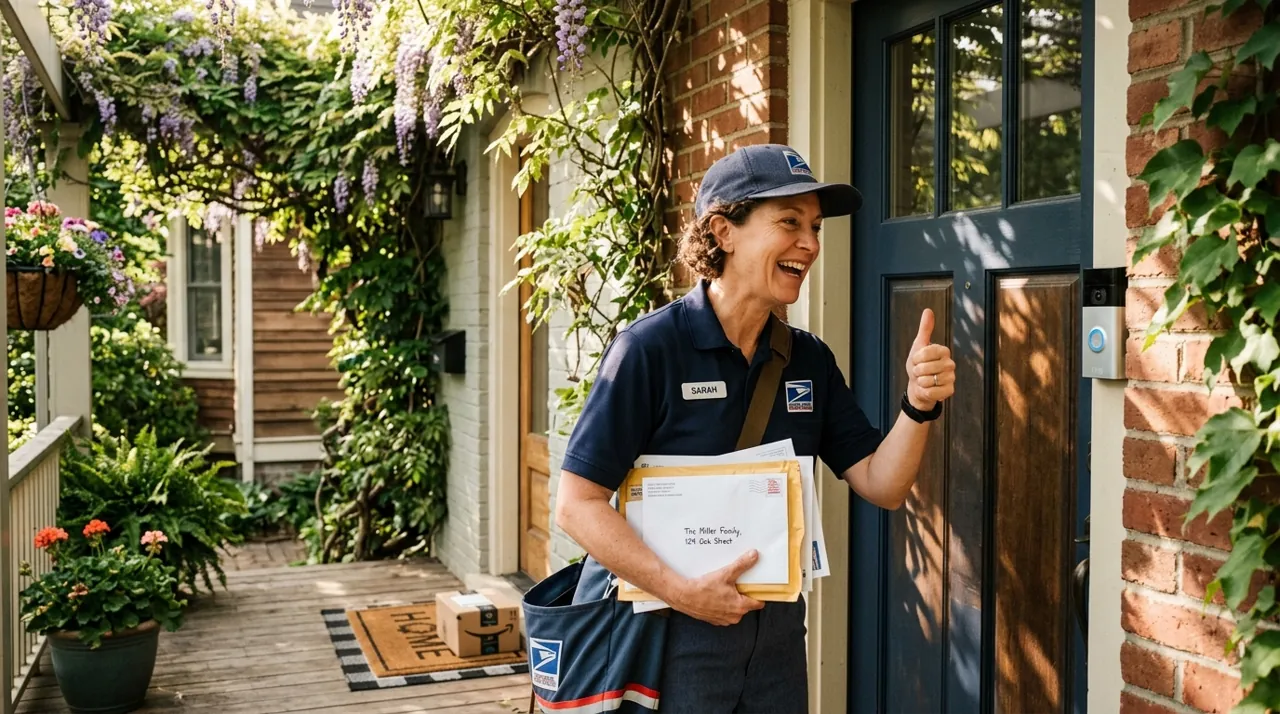
Why Porches Are a Target for Package Theft
A package left on a porch sits exposed for an unpredictable stretch of time, from a few minutes to a full workday. It is entirely visible to anyone driving or walking past. Two factors consistently show up in owner discussions of theft-prone addresses: how easily the porch can be seen from the street, and how easily it can be reached without setting foot on the property in any obvious way. A porch set back from the road, partly screened by landscaping, or facing away from through traffic is a meaningfully less attractive target. This holds true independent of the neighborhood's overall crime rate. Knowing which of those two factors applies to your own home is the first useful step. It points toward whether a lock box, a camera, or a change in delivery habits will do the most good.
Building a Layered Delivery-Security Setup
Start With Visibility: A Video Doorbell
A video doorbell doesn't physically stop a theft, but it does two things a lock box can't. It records who approached the door and when. Its visible presence alone also changes the calculation for someone scanning a property for an easy target. See the video doorbells hub for picks. Pairing a doorbell with a lock box gives you both prevention and evidence, rather than choosing one or the other.
Add Physical Prevention: A Lock Box or Drop Box
A lock box removes the opportunity itself. It requires a key, code or tool to open, while still allowing a driver to drop a package in through a one-way slot. This is the single most effective step against the opportunistic, no-effort theft that makes up most reported cases. It forces a would-be thief to choose between walking away and taking a visibly riskier action on an occupied street. See best package lock box for models ranked by owner rating.
Reduce the Window Further: Delivery Instructions and Timing
Most carriers let you set specific delivery instructions through their app or website. Leave the package behind a screen door, ring the bell and wait, or deliver only when someone is confirmed home. Scheduling higher-value deliveries for a day you know you'll be home shortens the exposure window further. This works without buying anything at all.
Free Changes, Pickup Locations and Insurance as a Backstop
Not every improvement requires a purchase. Requiring a signature on delivery, available through most carriers and many retailers at checkout, removes the unattended-porch scenario entirely for that order. Having packages held at a nearby pickup location — a post office, a locker bank, or a participating retail counter — trades a short trip for the certainty that nothing sits outside. Consolidating deliveries to arrive on days you're reliably home also cuts down how often a routine, lower-value package sits exposed in the first place. These habits cost nothing and stack cleanly with any physical device you add later. Homeowners and renters insurance is worth checking too, as a backstop rather than a routine solution — some policies cover stolen packages under personal property theft, though usually with a deductible that can exceed the value of a typical item.
Apartment Buildings and Shared Entryways
A shared, unsecured delivery area in an apartment building or condo complex behaves differently from a single-family porch. Packages from multiple units often pile up in one lobby or mailroom. It isn't always clear which package belongs to whom at a glance, which can make theft harder to notice quickly. If your building has a package room or locker system, use it instead of leaving anything in a shared lobby. Where that isn't available, mount a personal lock box just outside your own unit door rather than in a shared common area. That keeps the same physical-prevention benefit without depending on building-wide security you don't control. Renters should also check whether the building's delivery policy or lease terms restrict what can be mounted near a unit door before installing anything.
What To Do When You Notice a Stolen Package
Check tracking first to confirm the carrier actually marked the order delivered, rather than still in transit or delayed. A surprising number of reported thefts turn out to be a tracking or scanning error rather than an actual theft. If delivery is confirmed and the package genuinely isn't there, pull any available doorbell or camera footage before it's overwritten by continued recording. Report the loss to the carrier and retailer promptly. Claims processes have their own windows — USPS, for example, accepts Missing Mail search requests starting seven days after mailing and requires insured-mail claims within 60 days of the mailing date — and a prompt report with footage attached is meaningfully more likely to result in a replacement or refund than one filed a week later with no supporting evidence.
Sizing and Placement Advice Before You Buy
Measure your typical order against the box's stated interior dimensions rather than relying on gallon capacity alone. Two boxes with the same listed capacity can differ meaningfully in shape. A tall narrow box handles a stack of small boxes differently than a wide shallow one handles a single large item. Place the box somewhere a driver will naturally see it without hunting, close enough to the existing delivery spot that habit does the work. Angle it so the delivery slot faces away from direct street sightlines where practical. A box that's technically installed but awkward for a driver to find or use gets bypassed in favor of leaving the package beside it, which defeats the entire purpose.
Common Questions
For product picks, see best package lock box. For video evidence of deliveries, see the video doorbells hub.
Sources & References
- Missing Mail and Package Help — United States Postal Service
- Mail Theft: Tips and Prevention — U.S. Postal Inspection Service
- Renters Insurance — Insurance Information Institute
- Package Intercept and Hold for Pickup — United States Postal Service