
Affiliate Disclosure: Some links on this page are affiliate links. As an Amazon Associate, we earn from qualifying purchases — at no extra cost to you. We do not buy, install, or physically handle the cameras we cover; our rankings come from aggregated owner reviews, ratings and expert consensus. Commissions never change our verdicts. We're reader-supported: commissions fund hosting, research and updates, so if a guide helped, buying through our links keeps it going. How we rank · full disclosure.
Short version: for an Airbnb or rental you don’t visit between every stay, the best smart lock is a WiFi-connected lock that lets you create and revoke guest codes remotely, and the Schlage Encode is worth the higher price. If you’re comfortable manually swapping a shared code between guests, the TEEHO TE001 does the job for a fraction of the cost. The Kwikset SmartCode 270 sits in between on price — cheaper than the Schlage from an established brand, though like the TEEHO its codes are changed at the keypad, not remotely.
In Plain English
A smart lock for a rental lets each guest in with their own door code instead of a key. You send the code before they arrive, and on Wi-Fi models it can stop working automatically after checkout. It's like a hotel key card, but for your front door.
Why it matters: no key handoffs, no lockbox, and no worrying about copied keys. You can also see when a code was used, which helps confirm check-in times. The one thing to decide is how often you can visit the property. If you manage it from far away, choose a Wi-Fi lock that lets you create and cancel codes remotely. If you're nearby, a simple keypad lock may be enough, as long as you change the code between guests.
Top Rated Picks at a Glance
The Ranked Field: Star Rating, Consensus and Price
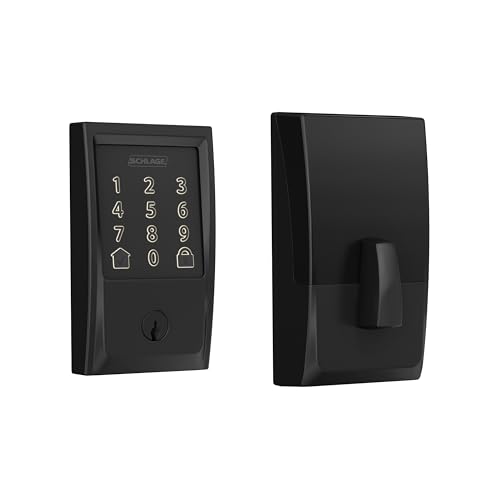
Best for remotely generating and revoking unique guest codes for every stay.
- Built-in WiFi for remote code management.
- Up to 100 unique codes.
- Activity log of who entered and when.
- Over 16,500 verified owner ratings.
Why buy it: Built-in WiFi means you can create a fresh guest code and revoke the previous one remotely without a bridge accessory or an in-person visit.

Best for a low-cost lock for a rental where remote code management is not essential.
- Keypad deadbolt, up to 20 user codes.
- No app or subscription required.
- Backlit keypad for night entry.
- Over 10,600 verified owner ratings.
Why buy it: A well-reviewed, low-cost option for a host who is comfortable manually changing a shared code between guests rather than managing codes remotely.

Best for a mid-price keypad from an established lock brand, with codes managed at the lock itself.
- Electronic touchscreen deadbolt.
- Auto-lock feature.
- Up to 50 user codes, no app or WiFi.
- Over 1,000 verified owner ratings.
Why buy it: A reasonable middle ground on price — cheaper than the Schlage Encode, from an established deadbolt brand, though codes are changed at the keypad rather than remotely.
Comparison Table
| Product | Best for | Buy |
|---|---|---|
| Schlage Encode Smart WiFi Deadbolt | Best Overall for Rentals | Price |
| TEEHO TE001 Keyless Entry Deadbolt | Best Budget for Rentals | Price |
| Kwikset SmartCode 270 Keyless Entry Deadbolt | Best Mid-Price Keypad | Price |
How We Rank
We do not buy or physically install these locks. Every star rating and review count comes from licensed Amazon data. Full method on how we rank.
What Matters Most for a Rental
Guest Codes and Auto-Expiry
A dedicated guest code, unique to each booking, is the single biggest reason hosts choose a smart lock over a physical key. On a WiFi-connected lock, that code can auto-expire the moment checkout time passes. You don't have to remember to delete it. A guest who tries the old code after checkout simply finds it no longer works. This also solves a real security problem with a shared physical key: once a key has been copied, you can't easily know how many copies exist, but a digital code that expires on schedule closes that gap automatically, booking after booking.
Remote Code Management for Hosts Who Don't Live Nearby
Remote code management is the single biggest differentiator for a rental. It means setting a guest's code before they arrive, and having it expire automatically after checkout, without a property visit. This matters most for a host managing a listing from another city, or juggling several properties at once. A no-WiFi lock forces an in-person visit, or a trusted local contact, every time the code needs to change.
Self Check-In Without Meeting a Guest
A unique guest code makes an Airbnb smart lock check-in fully self-service, since there's no key handoff to coordinate. Guests punch in the code you sent them, any time within their booking window, without waiting for you or a co-host to arrive. This is one of the most-cited reasons for the shift toward smart locks across the short-term rental industry. It also removes the logistics of a lockbox on the porch, which is both a visible security weak point and a common source of one-star reviews when a guest can't find the code or the box itself.
Property Management Tool Integration
Some hosts connect their lock to a property management tool that auto-generates a code from the booking calendar, syncing check-in and checkout times automatically. This isn't universal — it depends on the specific lock's app and any third-party integration it supports. Check compatibility before assuming your booking platform and lock will talk to each other. Even without that integration, manually issuing a code from the lock's own app, right after a booking confirms, takes under a minute on the WiFi-connected Schlage Encode; on the keypad-only TEEHO and Kwikset, codes are added at the lock itself.
Activity Logs
Knowing when a code was used adds real operational value for a host managing a property remotely. It confirms a guest checked in on time, or that cleaning staff arrived on schedule. That's more than a typical personal-residence buyer usually needs from a lock. It's also useful evidence if a guest disputes their stated arrival or departure time, or if a security incident needs to be traced back to a specific code and timestamp.
Durability for High Turnover
A rental lock gets used far more often than a household one. Established brands with deep review histories, like Schlage and Kwikset, have more evidence of holding up to that use than newer, thinly-reviewed listings. A keypad that's punched dozens of times a week, by guests who've never used that specific lock model before, is a genuinely different stress test than the same lock on a household front door used by the same few people every day.
Installation and Rekey Between Owners
Every lock on this page retrofits a standard residential deadbolt hole, the same install most hosts handle themselves with a screwdriver in under an hour. If you're buying for a property that already has a lock installed, check whether it can be rekeyed by a locksmith, so any codes or keys from a previous owner or manager are fully invalidated before your first guest arrives. Also confirm the lock's stated operating temperature range if the property sees genuinely hot summers or cold winters, since an exterior keypad exposed to real weather is a different consideration than one on a sheltered porch.
Mistakes to Avoid on a Rental
The most common mistake is buying a no-WiFi keypad for a property you don't visit often. Manually changing a shared code between every guest becomes a real burden fast. The second is skipping the activity log feature, then having no record when a guest disputes their check-in time. The third is ignoring battery life on a high-turnover lock — a rental gets opened far more often than a household door, so a lock with weak battery life means more frequent, disruptive maintenance visits. A fourth mistake worth naming: forgetting to rekey or reset a lock between managers if you take over an existing rental — old codes left active are a genuine security gap, not just a tidiness issue. Building a short checklist — rekey or reset, delete old codes, confirm battery level — before your first guest arrives takes a few minutes and avoids most of these problems entirely.
How We Select These Airbnb Smart Lock Picks
We don't buy or physically install these locks. We aggregate verified owner reviews, review volume, and the recurring themes across ratings for each model, then weigh remote code management, activity logs and battery life specifically for rental use — not just general household convenience. Full method on how we rank.
Going Deeper: How Automatic Guest Codes Work With a Booking Platform
The feature that sets the Schlage Encode apart for hosts is that a booking platform can manage its codes for you. Airbnb's help center explains how its smart lock integration works. Once a compatible lock is connected and added to a listing, guests with confirmed bookings automatically receive a unique code that's only active during their trip. The code arrives by email and Airbnb message and appears in the guest's trip guide, and Airbnb notifies the host when guests check in for the first time.
Compatibility is limited. Airbnb lists specific models from Schlage, August and Yale, including the Schlage Encode Smart WiFi deadbolt, and requires the lock to have an internet connection and the latest firmware. That's the concrete reason the keypad-only TEEHO and Kwikset picks on this page can't do this: with no Wi-Fi, there's no way for the platform to reach them.
Timing is handled automatically too. According to Airbnb, guest codes become active at check-in time, and the default setting is for them to expire 30 minutes after checkout. Hosts can adjust that buffer to anywhere from 15 minutes to 2 hours past the listing's checkout time, and changing an individual reservation's check-in or checkout time changes when that guest's code is active.
Offline moments are where hosts should plan ahead. Airbnb's smart lock article says a backup code may be shared if a trip changes while the lock is offline and the existing code can't be updated to cover the new dates. In practice, that means keeping the lock's Wi-Fi signal strong, replacing batteries before they run low, and checking the app after any booking change. It also means keeping your own master code private and separate from anything a guest or cleaner receives, so you're never locked out of your own property.
The Verdict
For a rental you manage remotely, the Schlage Encode’s built-in WiFi and remote code management justify the higher price. For a property you visit regularly, the TEEHO TE001 is a well-reviewed, low-cost alternative. The Kwikset SmartCode 270 is the reasonable middle ground.
Sources & References
- Schlage Encode Smart WiFi Deadbolt specifications — Schlage
- 270 SmartCode Traditional Electronic Deadbolt specifications — Kwikset
- Understanding BHMA security grades — Schlage
- Connect a smart lock to Airbnb — Airbnb Help Center
- Smart lock guest code activation and expiration settings — Airbnb Help Center