
Affiliate Disclosure: Some links on this page are affiliate links. As an Amazon Associate, we earn from qualifying purchases — at no extra cost to you. We do not buy, install, or physically handle the cameras we cover; our rankings come from aggregated owner reviews, ratings and expert consensus. Commissions never change our verdicts. We're reader-supported: commissions fund hosting, research and updates, so if a guide helped, buying through our links keeps it going. How we rank · full disclosure.
Short version: the original Furbo Dog Camera is the best overall pet camera with a treat dispenser — the deepest review base of any treat-dispensing pet camera we track. The Furbo 360° No-Monthly-Fee version matches that rating without a required subscription. The Petcube Bites 2 Lite is the budget entry point at a fraction of the Furbo price.
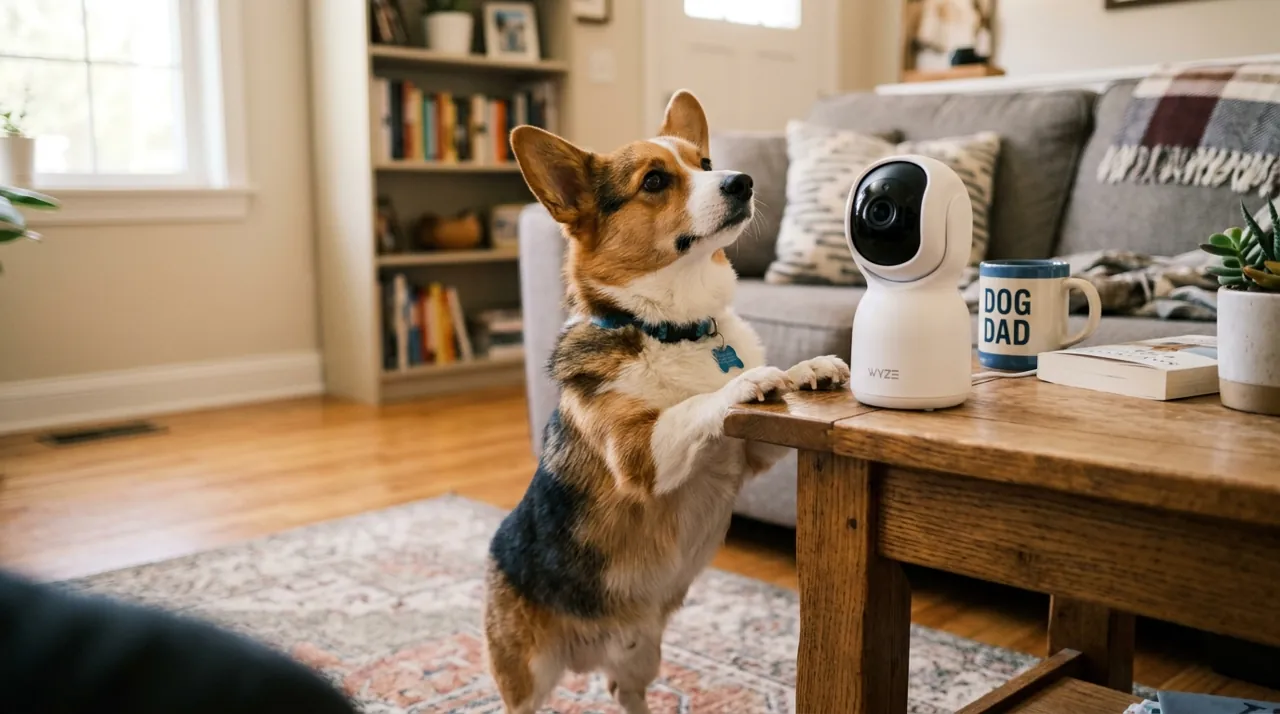
In Plain English
A treat-dispensing pet camera is a camera with a small treat hopper built in. From your phone you can watch your pet, talk to them, and tap a button to toss a treat across the room.
Picture it as a remote-control reward: you can praise your dog for lying quietly, even while you are at work.
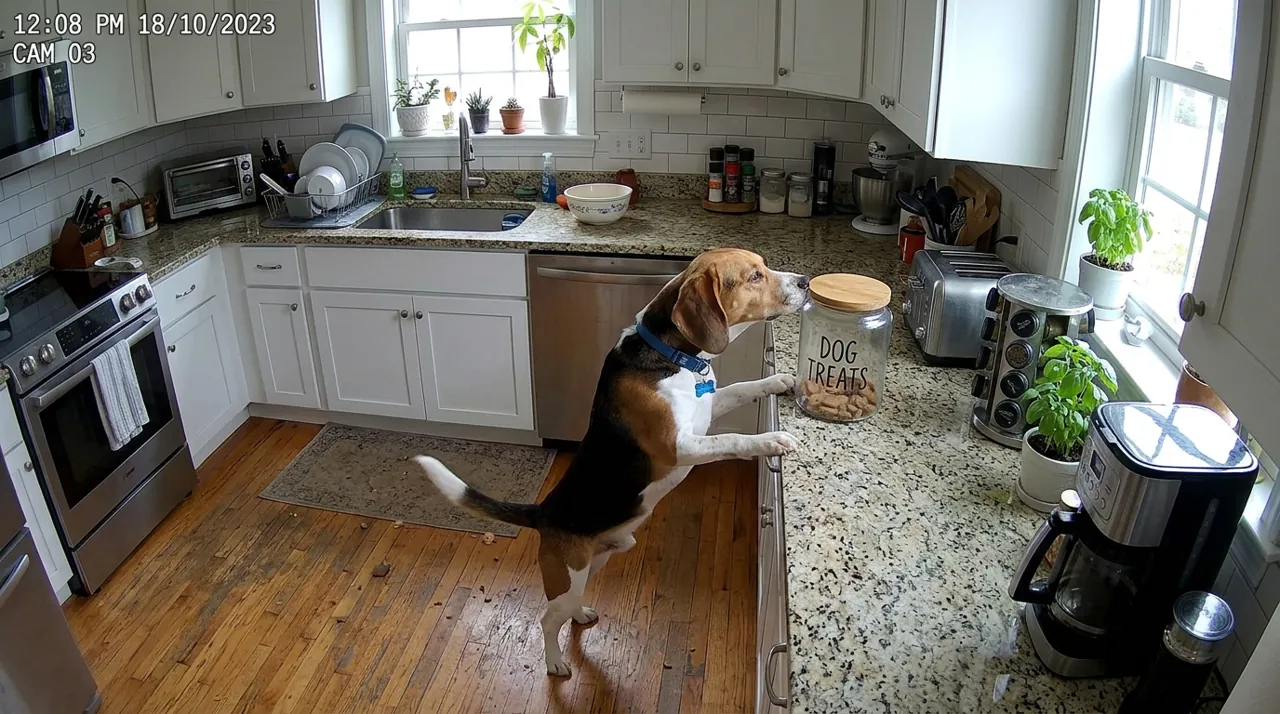
Two things trip people up. The first is treat size. Each hopper is built for small, dry treats of a certain size, and the wrong ones cause jams. The second is the subscription. Live view and treat tossing usually work for free, but video history and smart alerts often cost extra each month.
Why it matters: a cheaper camera with a required plan can cost more over time than a pricier one without.
The one thing to do: check the manufacturer’s treat-size guidance before buying treats, and keep count of how many you toss in a day so snacks do not crowd out meals.
Top Rated Picks at a Glance
The Ranked Field: Star Rating, Consensus and Price

Best for the deepest-reviewed treat-dispensing pet camera tracked on this site.
- Full HD video with treat tossing.
- Two-way audio.
- Barking alert notifications.
- Over 32,500 verified owner ratings.
Why buy it: By far the deepest review base of any treat-dispensing pet camera we track, from the brand that popularized this category.
![Furbo 360° Dog Camera [No Monthly Fee]](https://m.media-amazon.com/images/I/41z8W6tbWJL._SL500_.jpg)
Best for the same top-tier rating as the original, with core features included at purchase.
- 360-degree rotating live view.
- Barking alerts and treat tossing.
- No subscription required for core features.
- Over 5,200 verified owner ratings.
Why buy it: Matches the original Furbo’s strong rating while avoiding a recurring subscription for the core treat-tossing and alert features.
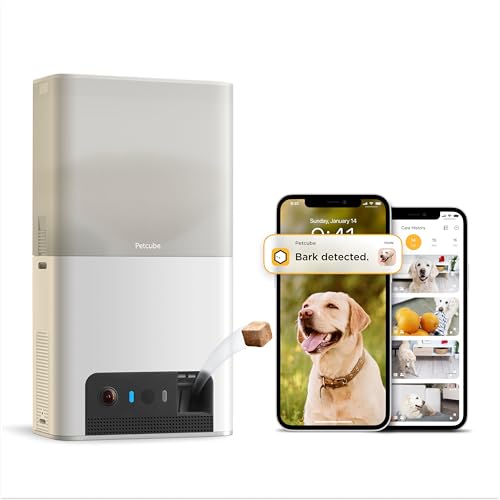
Best for the lowest-cost entry into a treat-dispensing pet camera.
- Treat flinging with adjustable amount and distance.
- 1080p HD video, 160° view and two-way audio.
- Subscription required to unlock full features.
- Over 1,500 verified owner ratings.
Why buy it: The lowest price of any treat-dispensing pet camera we track, from the other established brand in this category.
Comparison Table
| Product | Best for | Buy |
|---|---|---|
| Furbo Dog Camera (Original, Treat Tossing) | Best Overall | Price |
| Furbo 360° Dog Camera [No Monthly Fee] | Best No-Monthly-Fee | Price |
| Petcube Bites 2 Lite Pet Camera | Best Budget | Price |
Buying a Pet Camera with Treat Dispenser: What to Look For
Video quality and field of view come first, since the camera is doing double duty as both a treat dispenser and a general pet-monitoring camera. Look for Full HD resolution, a wide field of view that covers the room, and reliable night vision if the pet spends time in the space after dark. Two-way audio matters more here than on a plain security camera, so look for a pet camera with speaker and microphone that you can actually talk through. Talking to your pet before or after tossing a treat is a core part of how these devices are actually used. Barking or motion alert notifications should be tunable in the app, since an overly sensitive alert becomes noise you learn to ignore. Treat capacity and how easily the hopper refills also matter for daily practicality, more than the spec sheet suggests until you're the one refilling it.
Treat Tossing vs Treat Dropping: Two Different Mechanisms
Most cameras in this category use one of two mechanisms. A tossing dispenser, the design Furbo popularized, launches a treat a short distance into the room, closer to how a person would actually reward a dog and often more engaging for an active dog that likes the game of catching it. A dropping or dispensing mechanism, found on some simpler budget models, releases a treat straight down near the camera itself. The Petcube Bites 2 Lite is a tosser too: Petcube describes it as flinging treats, with the amount and distance adjustable in the app. Tossing tends to work better for a larger, more active dog in an open room, while dropping is simpler mechanically and can suit a smaller space or a calmer pet just as well.
Treat Size and Safety Considerations
Every treat dispenser on this page is built for a specific treat size range, usually small, roughly kibble-sized dry treats rather than large biscuits or soft, moist treats. Using the wrong size or shape is the single most common cause of a jammed dispenser. Owner reviews across every brand in this category confirm it. Check the current listing's treat size guidance before buying treats specifically for the dispenser, and avoid anything crumbly, sticky or oversized regardless of how tempting a particular treat brand looks. A jam usually isn't a defect. It's a mismatch between the treat and the mechanism.
Best Pet Camera Without Subscription: What You Actually Get
The original Furbo and the Petcube Bites 2 Lite both gate some features behind an optional monthly subscription. This typically means video history and AI-driven alerts — Petcube Care, for example, adds video history and Smart Alerts, while live streaming and two-way audio stay free. Core live viewing and treat tossing generally work without one. For a dog camera treat dispenser with no subscription, the Furbo 360° No-Monthly-Fee model is built specifically to include its core treat-tossing and alert features at purchase, with no required ongoing payment for the basics. If avoiding a subscription entirely is a priority, check the current listing carefully for which specific features are described as included versus subscription-gated, since this can change between models and over time.
What Consumer Reports says. Consumer Reports' Furbo review praises its wide-angle view and easy app, and notes that the base app is free while a paid Nanny Cam plan adds cloud recording and extra alerts. Its drawbacks were frequent notifications and limited control over how far or how many treats get tossed.
Who Needs a Pet Camera with Treat Dispenser
This category suits an owner who wants to check in on a dog during the workday, reinforce good behavior remotely, or simply add a bit of interaction to a pet's alone time. It's a genuinely nice-to-have rather than a necessity, and a plain indoor camera without a treat mechanism is a reasonable substitute if the dispensing feature isn't a priority for your budget. See best indoor cameras for general monitoring options, or Furbo vs Petcube for a closer head-to-head between the two leading brands in this category.
App Reliability and Notification Settings
A treat-dispensing pet camera is only as good as the app that controls it, since every core feature — live viewing, treat tossing, two-way audio — routes through the companion app rather than a physical control. Owner reviews across this category consistently flag two things worth checking before you buy: how often the app disconnects or lags during live viewing, and how well the barking alert and motion alert sensitivity can each be tuned independently. A camera that alerts on every small movement quickly becomes an alert you swipe away without reading, which defeats the purpose of the notification in the first place. Check recent reviews on the current listing specifically for app complaints, since app quality can shift after a software update in ways the hardware rating doesn't reflect. Two-way audio quality is worth the same scrutiny — a camera whose speaker distorts at higher volume is less useful for calling a dog to the camera from across the room, which is exactly when you'd want it working best.
Common Mistakes When Buying a Treat-Dispensing Pet Camera
The most common mistake is buying treats sized for a large dog and using them in a dispenser built for small, dry treats, leading to jams that owners sometimes mistake for a hardware defect. The second is assuming every model's core features work without a subscription. Check the current listing carefully, since this varies by brand and model. The third is underestimating placement. A camera mounted too low or too close to a wall limits both the field of view and how far the tossing mechanism can actually reach into the room, so placement affects real-world usefulness as much as the spec sheet does. A fourth mistake worth naming: buying a treat-dispensing camera as a substitute for actual exercise or companionship rather than a supplement to it, since even the best video quality and the most reliable barking alert don't replace time spent with a pet in person.
How We Rank
We do not buy or physically install these cameras. Every star rating and review count comes from licensed Amazon data. Full method on how we rank.
Going Deeper: How Many Remote Treats Is Too Many, and What the Plans Really Include
Treat cameras make rewarding a dog effortless, which is exactly why the calorie side deserves a number. Veterinary nutritionists at Tufts University’s Petfoodology service say treats should make up only 10% of a pet’s daily calories. Their worked example: a 10 lb dog or cat needs about 300 calories a day on average, so its treat allowance is about 30 calories, while an average 75 lb dog needs about 1,400 calories, for a treat maximum of about 140. A hopper that holds dozens of treats and gets tapped at every check-in can reach that ceiling quickly, so camera treats should be counted toward the allowance rather than treated as extra.
The treats work best as part of a plan. For mild cases, the ASPCA describes counterconditioning: building an association between being alone and something the dog loves, such as a food puzzle toy that takes at least 20 to 30 minutes to finish, offered each time you leave and removed when you come home. A camera toss can reinforce that association during the day, rewarding a quiet moment from afar, rather than serving as a substitute for it.
On the subscription question, Petcube’s own plan page shows the split clearly: the free Basic plan comes with every Petcube camera and includes live video streaming, while video history, smart alerts, video downloads, smart filters and daily diary videos sit in the paid Petcube Care tiers, with up to 90 days of video history. Furbo’s Furbo 360 page lists its Furbo Nanny Standard plan with a 3-day video history.
The hardware specs matter too. Petcube lists the Bites 2 Lite with 1080p HD video, night vision, a 160° view with 8x digital zoom and two-way audio; its app requires a phone supporting 2.4GHz WiFi, and Petcube says data is transmitted over TLS with 128-bit encryption, with firmware updates delivered as signed updates. Those details are the practical checks before buying: a WiFi band your router provides, and a vendor that states how it protects the video stream.
The Verdict
The original Furbo Dog Camera is the right default for most buyers — the deepest evidence base and a strong rating. Choose the Furbo 360° No-Monthly-Fee version if avoiding a subscription matters, and the Petcube Bites 2 Lite if budget is the deciding factor.
Sources & References
- Furbo Dog Camera Review — Consumer Reports
- Petcube Bites 2 Lite: Specifications and Petcube Care — Petcube
- Furbo 360° Dog Camera: Specs and Furbo Nanny — Furbo (Tomofun)
- Petcube Care Plans — Petcube
- Treat Options for Dogs and Cats Without Unbalancing Their Diet — Petfoodology, Cummings School of Veterinary Medicine at Tufts University
- Separation Anxiety — ASPCA