
Affiliate Disclosure: Some links on this page are affiliate links. As an Amazon Associate, we earn from qualifying purchases — at no extra cost to you. We do not buy, install, or physically handle the cameras we cover; our rankings come from aggregated owner reviews, ratings and expert consensus. Commissions never change our verdicts. We're reader-supported: commissions fund hosting, research and updates, so if a guide helped, buying through our links keeps it going. How we rank · full disclosure.
Short answer: security camera lag — a delay between what is actually happening and what appears on screen, or a live view that stutters and freezes — is most often caused by weak WiFi signal at the camera's position, a router struggling under too many connected devices, an outdated camera or app that has not received a recent update, or the camera itself waking from a low-power idle state before it can stream smoothly. Genuine hardware failure is a much less common cause than these everyday network and software factors.
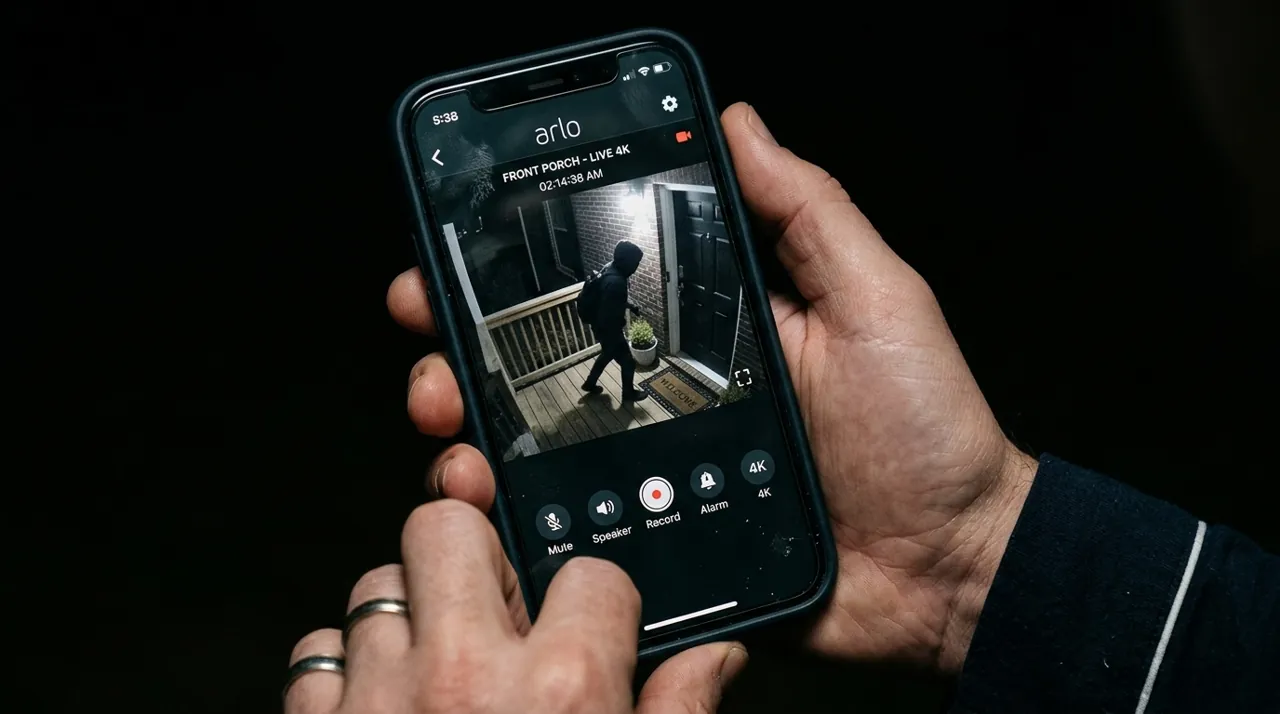
Recommended Cameras for Responsive Live View
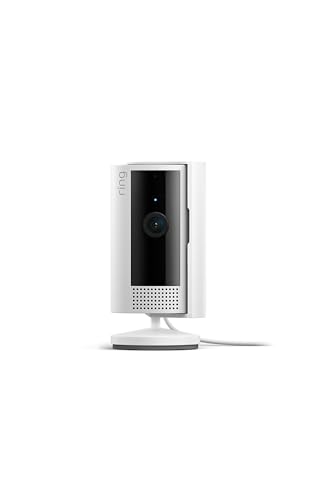

Best for a wired connection that avoids WiFi-related lag entirely.

Best for a camera with a large owner base to check lag reports against.
Why Is My Security Camera Lagging? The Most Common Causes
WiFi signal strength is the most frequent culprit, and it affects lag differently than it affects outright disconnection — a marginal but not completely failing signal can sustain a connection while still struggling to carry a smooth, real-time video stream, producing exactly the choppy, delayed playback owners describe as lag rather than a full dropout. This is why a camera can show as "online" in the app while still lagging badly on live view; the connection technically exists but does not have the bandwidth headroom for smooth streaming. Ring, for example, rates a signal strength (RSSI) of -70 to -80 as poor, with possible delays and interruptions, and anything weaker as very poor.
Router load compounds this same problem — a household running many simultaneous connected devices, particularly other bandwidth-heavy devices like streaming TVs or game consoles, can leave a camera fighting for the remaining bandwidth precisely when someone tries to check the live feed, producing lag that appears intermittently rather than constantly, correlating with whatever else the network happens to be doing at that moment. A cheap or aging router with an underpowered processor can also struggle to manage many connected devices at once regardless of available bandwidth, which is worth ruling out separately from raw signal strength.
Battery Cameras and the Wake-From-Idle Delay
Battery-powered cameras specifically add another source of apparent lag that wired cameras do not have: many battery cameras sit in a low-power idle state between events specifically to conserve charge, and opening a live view requires the camera to wake up, reconnect to WiFi and begin streaming, which introduces a real, sometimes several-second delay before video appears. This is expected behavior rather than a fault, though it is frequently mistaken for lag or a malfunction by owners unfamiliar with how battery cameras manage power between active sessions.
App and Firmware: The Overlooked Software Side
An outdated camera app or outdated camera firmware can introduce or fail to fix known performance bugs that a current update has already addressed, and checking for pending updates on both the phone's app and the camera itself is a fast, free troubleshooting step many owners skip. Clearing the app's cache, or in more stubborn cases uninstalling and reinstalling it, resolves a surprising share of persistent lag complaints that turn out to be app-side rather than camera-side issues at all.
Cloud Processing Delay vs. Local Processing
Not all lag originates on your own network. Many cameras route video through the manufacturer's cloud servers even when you are viewing from the same house the camera is in, rather than connecting directly device-to-device, and that round trip adds processing time that has nothing to do with your WiFi or router. During a period of high demand on the manufacturer's servers — a widely reported outage, a new product launch driving signups, or simply a peak usage hour — that cloud-side delay can increase noticeably even though nothing changed on your end. This is one of the few lag causes that genuinely cannot be fixed locally, and checking the manufacturer's status page or support channels for reported outages is worth doing before spending time troubleshooting your own network for a problem that originates upstream.
Some cameras support a local or peer-to-peer viewing mode that bypasses the cloud round trip when you are on the same home network as the camera, which can meaningfully reduce lag specifically for at-home viewing even if remote viewing away from home still depends on the cloud connection.
Router and Network Settings That Help
A handful of router-side settings genuinely help beyond simply checking overall signal strength. Quality of Service, or QoS, lets a router prioritize video traffic over less time-sensitive traffic like a background software download, and enabling it for camera devices specifically can smooth out lag during periods when the network is otherwise busy. Band steering — where a router automatically assigns each device to 2.4GHz or 5GHz — sometimes places a camera on a band that is not actually the best choice for its position; manually assigning a camera to 2.4GHz for its longer range, or 5GHz for its higher throughput at close range (where the camera supports both bands), can outperform the router's automatic decision. For a mesh WiFi system, placing a satellite node closer to an outdoor camera's position, rather than relying on the main router alone to reach a distant corner of the property, reduces the marginal-signal scenario that causes lag most often.
A Practical Troubleshooting Order
Check WiFi signal strength at the camera's specific position first, since it is both the most common cause and the easiest to diagnose directly in most camera apps. If signal is strong, test whether lag is worse during peak household network usage, pointing toward router congestion. Update both the app and the camera's firmware. And for a battery camera, distinguish genuine ongoing lag from the normal one-time wake delay before assuming something is actually wrong.
Lag is one of the more preventable complaints in this category once the household network is set up with cameras specifically in mind, rather than as an afterthought. Confirming signal strength at each camera's actual mounting position before finalizing the installation, rather than after, avoids the single most common root cause. Keeping the camera app and firmware current, checking QoS settings once during setup, and understanding a battery camera's normal wake-from-idle delay before assuming a fault all prevent the recurring troubleshooting cycle that lag otherwise creates. None of this is difficult, but it rarely happens by default, since most of these settings sit one or two menus deeper than the basic setup flow most owners complete and then never revisit. See why cameras drop offline for the related connectivity troubleshooting, and wired PoE cameras for the option that avoids WiFi-related lag structurally.