
Affiliate Disclosure: Some links on this page are affiliate links. As an Amazon Associate, we earn from qualifying purchases — at no extra cost to you. We do not buy, install, or physically handle the cameras we cover; our rankings come from aggregated owner reviews, ratings and expert consensus. Commissions never change our verdicts. We're reader-supported: commissions fund hosting, research and updates, so if a guide helped, buying through our links keeps it going. How we rank · full disclosure.
Short answer: the real warning signs of a hacked security camera are specific and checkable, not vague unease. Look for the camera panning or tilting on its own with no motion trigger. Look for unfamiliar devices listed as logged into your account in the app's device management screen. Look for a password that suddenly stops working, unusual data usage from the camera on your router, or settings — like detection zones or notification preferences — that changed without you touching them. Any one of these is worth investigating immediately. Several together is a strong signal something is genuinely wrong.
Recommended Cameras With Strong Security Track Records
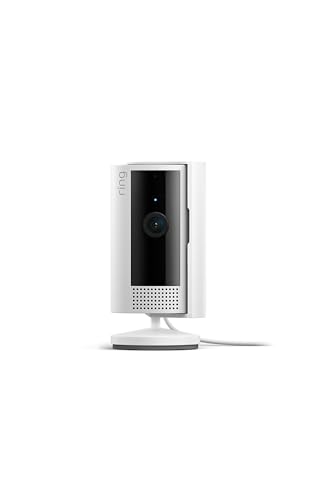
Best for a widely-reviewed camera with strong app-level security features.


Best for reliable outdoor performance with strong app support.
How Do I Know If My Security Camera Is Hacked? Start Here
The question "how do I know if my security camera is hacked" almost always comes from one of two places. Either a specific unexplained event happened, like the camera moving or a light behaving oddly. Or there is a general worry with nothing concrete to point to yet. The checklist below answers the specific-event case first, because that is the situation where a real compromise is most likely to be confirmable quickly. In both cases, the password on the account is the single most important thing to check. If there is any doubt at all, change it immediately, regardless of what else the investigation turns up.
Is My Security Camera Hacked? What to Actually Check
Start with the account, not the hardware. Many of the best-known consumer camera account takeovers traced back to reused or leaked passwords rather than a flaw in the camera itself — the FTC's 2023 case against Ring described hackers using credential stuffing and brute-force password guessing to take over accounts. Not every incident is a password problem, though: in early 2024 a Wyze server-side caching error showed about 13,000 users thumbnails from other people's cameras. The fastest and most reliable check is opening the camera's app and reviewing which devices are currently logged into the account. An unfamiliar device, an unrecognized login location, or a login timestamp that does not match your own usage is the clearest evidence available. Most apps surface this under account or security settings, sometimes labeled "active sessions" or "connected devices."
Next, check for unexplained physical behavior: a pan-tilt camera moving with no motion event to trigger it, a spotlight or floodlight activating with nobody nearby, or a status LED behaving differently than its documented normal pattern. None of these alone is conclusive, since cameras occasionally misfire for benign reasons. But any of them paired with an account anomaly is worth acting on immediately.
Checking From the Router and WiFi Side
A router's device list or a network monitoring app can show unusual data usage from a specific camera, which is a useful independent signal that does not depend on the camera's own app telling the truth. A camera suddenly using far more bandwidth than its normal baseline, particularly during hours when nobody is actively viewing the live feed, is worth investigating. Most home routers expose at least basic per-device data usage in their admin interface, and checking it periodically is a reasonable habit for anyone running several connected cameras.
What to Do the Moment You Suspect Your Account Is Compromised
Change the account password immediately, from a device other than the potentially compromised camera's own app if possible, and make it unique rather than reused from another account — password reuse is one of the most common root causes behind consumer camera account takeovers, and the FTC specifically warns that default and reused passwords are easy for hackers to find online. Enable two-factor authentication if the brand offers it; this is the single most effective preventive step available and is often skipped during initial setup. Update the camera's firmware, since manufacturers regularly patch known vulnerabilities and an outdated camera is a meaningfully easier target. Finally, review and remove any unfamiliar linked devices from the account.
Preventing It From Happening Again: Password and Firmware Habits
Once the immediate compromise is addressed, a few habits meaningfully reduce the odds of it happening a second time. Use a password manager to generate a genuinely unique password for the camera account rather than a variation on one used elsewhere. Password reuse across accounts is how a breach at an unrelated website ends up compromising a camera years later. Keep firmware set to automatic updates if the app offers that option, since manually remembering to check for updates is a habit most owners do not maintain consistently. And periodically review the connected-devices list even with no specific suspicion, the same way reviewing a bank statement periodically catches problems before they compound.
A camera bought from an established brand with a strong track record of security patching is also a meaningfully safer starting point than an unbranded budget listing with no clear support history. This is not because cheap cameras are inherently unsafe. It is because a manufacturer that regularly ships firmware updates closes known vulnerabilities faster than one that does not, and that patching cadence is genuinely hard to verify from a product listing alone. Checking owner reviews for mentions of firmware updates and manufacturer responsiveness is a reasonable proxy when the manufacturer itself does not publish a clear security track record.
How Camera Hacking Actually Happens
Understanding the real attack paths makes the warning signs easier to interpret. Unauthorized access to a consumer camera almost never involves a sophisticated attacker breaking encryption. It traces back to one of three ordinary causes instead. Credential stuffing is the most common: an attacker takes a username and password leaked from an unrelated data breach at a completely different website, then tries that same combination against camera accounts, banking on password reuse. Default or weak passwords left unchanged since setup are the second common cause. This is especially true on budget cameras and older DVR or NVR systems that shipped with a simple factory login like admin/admin. Phishing is the third route. A fake login page or a fraudulent support email tricks an owner into typing their real password into an attacker's page.
A smaller but real category involves the camera itself. Some models, particularly cheaper or older ones, have shipped with a known firmware vulnerability. That vulnerability can let an attacker gain unauthorized access by bypassing the login screen entirely, or through an RTSP port left needlessly open to the internet by default. Manufacturers patch these when they are discovered and reported. That is exactly why keeping firmware current closes off a route a strong password alone cannot fully cover.
Signs That Usually Do NOT Mean Hacked
Not every strange behavior is a compromise. Treating every glitch as a breach leads to unnecessary panic. A camera briefly disconnecting and reconnecting is very often a WiFi signal issue, not an intrusion. A firmware update installing automatically can cause a camera to reboot, flash its light differently, or appear briefly offline in the app. All of that is normal. Occasional app lag or a delayed notification is usually a network or server-side issue on the manufacturer's end. It is not evidence someone else is controlling the camera. The signs worth treating seriously are specific and checkable: unfamiliar devices in the account, a password that no longer works, movement with no motion trigger, or unexplained data usage on the router. General unease with no specific evidence is a reason to review the account calmly. It is not a reason to assume the worst.
Buying a Secondhand or Used Camera
A secondhand camera carries a specific risk this checklist does not fully cover: it may already be logged into a previous owner's account, or paired with settings and access you cannot see from the box. Before using any secondhand camera, perform a full factory reset, then set it up fresh under a brand-new account with a new, unique password. Do not trust a "already set up and ready to go" secondhand listing at face value, since that convenience can mean the previous owner's access was never actually removed.
Why Two-Factor Authentication Matters More Than the Password Itself
A strong password is necessary but not sufficient on its own, because passwords leak in ways an individual owner cannot control, through breaches at other websites entirely unrelated to the camera. Two-factor authentication adds a second, independent check: even a correctly-guessed or leaked password is not enough to log in without also providing a one-time code sent to your phone. Most major camera brands offer this free in account settings — Ring, for example, supports codes by text message, authenticator app or push notification — and both the FTC and CISA recommend turning it on wherever it is available. Enable it during initial setup rather than waiting for a reason to.
See can security cameras be hacked for the broader mechanism and prevention picture, and do security cameras need a static IP address for how network configuration affects a camera's exposure.
Sources & References
- How To Secure Your Home Security Cameras — Federal Trade Commission
- Using IP Cameras Safely — Federal Trade Commission
- FTC Says Ring Employees Illegally Surveilled Customers, Failed to Stop Hackers from Taking Control of Users' Cameras — Federal Trade Commission
- More than a Password (Multifactor Authentication) — Cybersecurity and Infrastructure Security Agency
- Get to Know Two-Step Verification — Ring
- Wyze camera breach may have let 13,000 customers peek into others' homes — CBS News