
Affiliate Disclosure
Some links on this page are affiliate links. As an Amazon Associate, we earn from qualifying purchases — at no extra cost to you. We do not buy, install, or physically handle the cameras we cover; our rankings come from aggregated owner reviews, ratings and expert consensus. Commissions never change our verdicts. How we rank · full disclosure.
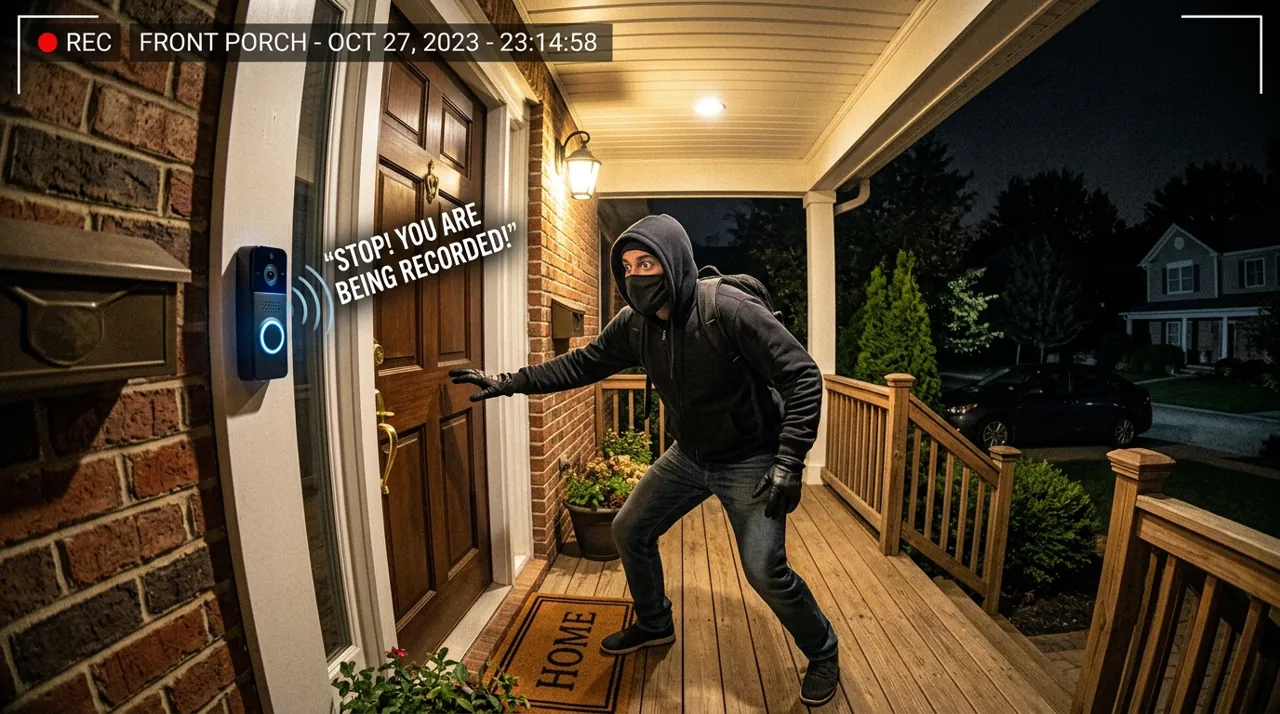
Short answer: yes, visible security cameras measurably reduce the likelihood that a home is broken into — but they reduce it, they do not eliminate it. The consistent finding across criminology research on residential burglary, police crime-prevention guidance and the loss-prevention thinking that underlies home insurance discounts is that burglars are overwhelmingly opportunists who choose targets on perceived effort and perceived risk of being identified. A camera raises both. What it does not do is stop someone who has already decided to enter your specific house.
The important nuance is which cameras deter. Deterrence comes from the camera being seen, not from the camera existing. A 4K camera hidden discreetly under a soffit records beautifully and deters nothing, because nobody walking up the driveway knows it is there. The deterrent effect belongs to the visible unit, the visible light, and the visible sign — and it compounds when those things arrive together.
Recommended Cameras

Best for wired outdoor coverage with the deepest review base tracked on this site.

Best for front-door coverage with no wiring required.

Best for a no-subscription camera with local microSD recording.
What the Research Consensus Actually Says
There is no single study that settles this, and anyone who quotes a precise percentage at you is usually quoting a marketing page. What holds up across the literature is directional rather than exact, and it is worth stating plainly.
Interview studies with convicted residential burglars converge on the same decision model: they look for an easy entry, low visibility from neighbors and the street, and signs that nobody is home. Security measures matter to them mainly as evidence that a house will be slower and riskier than the next one. Cameras land firmly in that category. When burglars in these studies are asked what would make them pass a house by, cameras appear consistently in the top handful of answers, usually alongside dogs, occupied-looking homes and audible alarms.
The insurance-industry view runs parallel. Insurers discount premiums for monitored security systems because loss data supports it, and while camera-only discounts are smaller and less universal than alarm discounts, the underlying logic is the same: measurable reduction in claim frequency. Police crime-prevention units make the same recommendation for the same reason, and typically emphasize lighting and sight lines just as heavily as hardware.
One honest caveat: some of the effect is displacement rather than prevention — a burglar deterred from your house may choose an unprotected one nearby. That limits the research at neighborhood level, but not the answer for an individual homeowner.
Visible vs Hidden: The Tradeoff You Have to Pick
These two goals pull against each other, and understanding that is most of the decision.
A visible camera prevents. Mounted at seven to nine feet under an eave, obviously a camera, ideally with a spotlight — that is the unit doing deterrence work. It is also the unit that can be avoided, covered, or in rare cases knocked down.
A hidden camera documents. Placed where nobody thinks to look, it captures the person who ignored the visible one, and it is the footage that tends to be useful afterward.
The arrangement most homeowners land on is one obvious camera covering the primary approach and a second, less conspicuous camera covering the same ground from a different angle. The first does the deterring; the second exists precisely because the first can be defeated. If you only have budget for one camera, make it the visible one — prevention is worth more than evidence in almost every household scenario.
Signage, Lights, and Why the Combination Wins
Two cheap additions do more for deterrence than a resolution upgrade.
Signage. A window decal or yard sign works because it is the thing a person actually reads at the moment they are deciding. It also removes ambiguity — a camera under a dark soffit may not register at a glance, but a sign at eye level does. Signage is an amplifier, and its effect depends on the cameras behind it being real.
Lighting plus camera. This is the strongest practical deterrent combination available to a homeowner. A motion-activated floodlight camera does three things at once: it removes the darkness that makes an approach feel safe, it announces itself unmistakably by turning on, and on most models it can add a siren or a spoken warning. The experience of walking toward a house and having a light snap on and a chime sound is a very different signal from a static lens. Owner accounts across the category describe the same pattern — people turn around at the light, not at the camera. If deterrence is your primary goal rather than surveillance, start at our floodlight cameras category rather than with a standard bullet camera.
Placement matters as much as hardware. Front door and driveway are obvious, but back and side approaches are where a lot of entries happen, because they are unlit and unobserved. Open ground behind the house is its own problem — distance, low light, animals triggering alerts — and that is what best security camera for backyard works through.
The Limits: What a Camera Will Not Do
Being straight about this matters more than the sales pitch, because unrealistic expectations are how people end up disappointed by equipment that worked exactly as designed.
- A determined or targeted burglar is not stopped. Someone who came for your house specifically — because of something they know is inside, or a personal connection — has already priced in the camera.
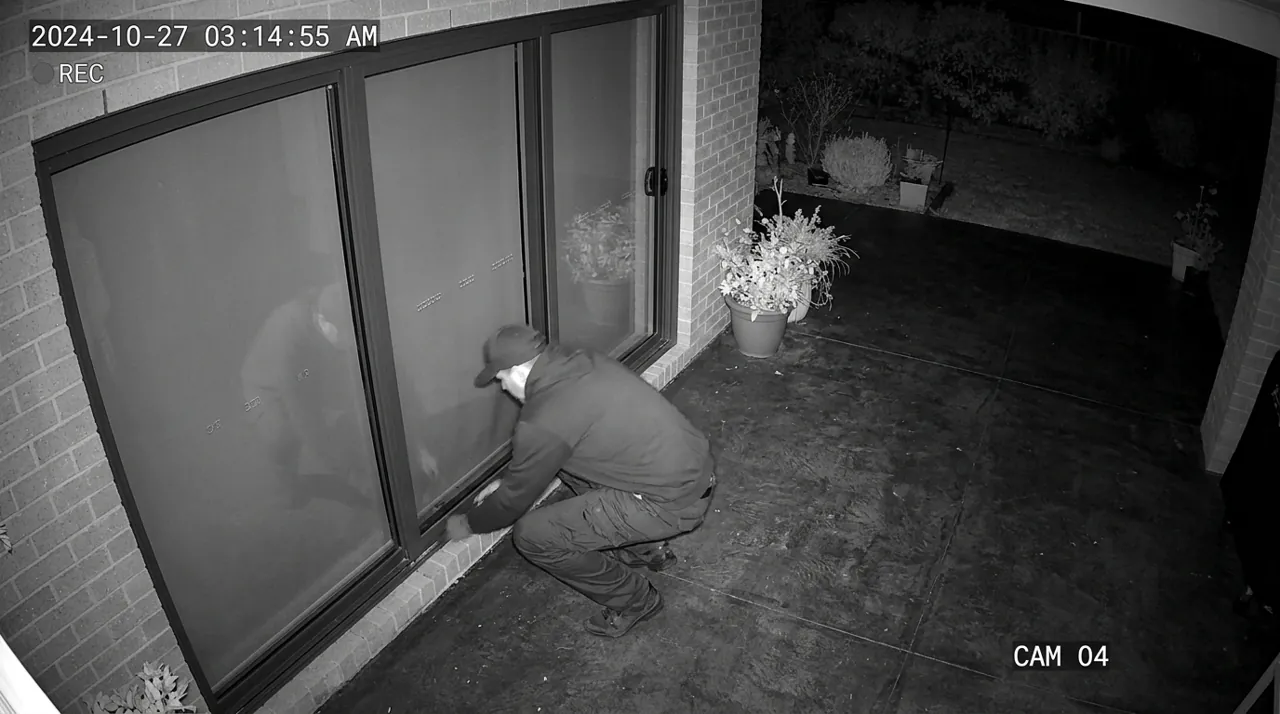
- A covered face defeats identification. A hood and a mask reduce even excellent footage to build, gait and clothing. This is the single most common complaint from owners who have actually had an incident.
- A camera is not a response. It records and it notifies. It does not intervene. If nobody is watching the alert and nobody calls the police, the footage is only historical.
- Footage does not guarantee an outcome. Recovery rates for burglarized property are low, and identifiable video is one input among many for an investigation, not a conclusion.
- An unmonitored camera drifts toward useless. Alert fatigue is real. Owners who leave default motion settings mute the app within weeks, and a muted camera is decoration with a subscription attached.
The realistic frame is probabilistic. Cameras shift you from the easiest house on the street to a harder one, and they occasionally produce footage that matters. That is a good return for the money. It is not a guarantee, and any product page implying otherwise is overselling.
If Deterrence Is Your Goal, Buy for It Deliberately
Deterrence and evidence reward different purchases. If prevention is what you want, prioritize in this order: a visible camera on the main approach, integrated lighting, an audible siren or two-way talk, signage, and only then resolution and storage. Spending an extra hundred dollars on 4K instead of a spotlight is a common mistake — the higher resolution improves the recording of an event the light might have prevented.
Then set it up so it keeps working: activity zones that exclude the sidewalk and street, person detection on, and one verification that recordings are actually being saved. Our installation guide covers the positioning that makes a camera both visible and useful, and how we rank explains our research-and-consensus method.