
Affiliate Disclosure
Some links on this page are affiliate links. As an Amazon Associate, we earn from qualifying purchases — at no extra cost to you. We do not buy, install, or physically handle the cameras we cover; our rankings come from aggregated owner reviews, ratings and expert consensus. Commissions never change our verdicts. How we rank · full disclosure.
The short version: a driveway alarm and a security camera solve two different problems and aren’t really competing products, despite often coming up in the same search. An alarm tells you the instant something happened; a camera shows you what it was. Neither replaces the other, and many well-secured properties run both.
What Each Device Actually Does
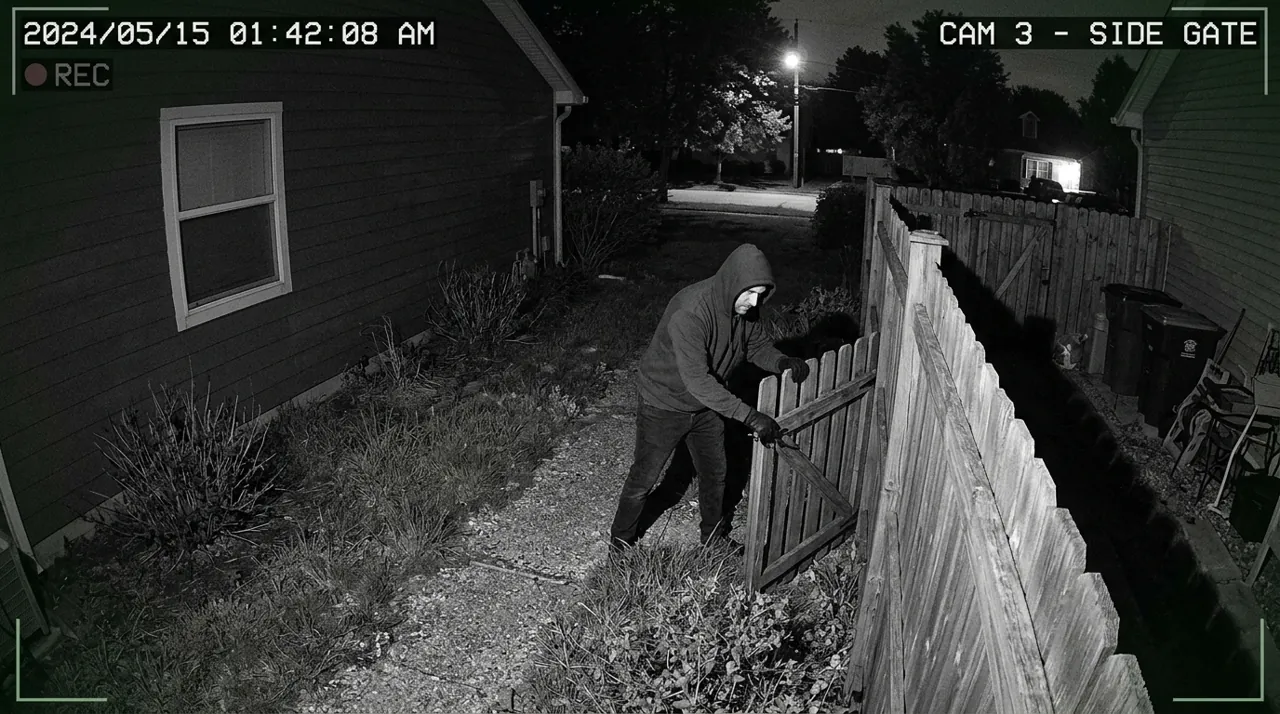
A driveway alarm detects motion in its zone and immediately alerts you — a chime, a receiver notification, a flashing light — with no camera and no recorded footage of any kind. It’s built for speed of alert, not evidence. A security camera records video (continuously or motion-triggered) that you can review later, and increasingly includes smart detection (person, vehicle, animal) and live viewing through an app, but typically has more setup, cost and often a subscription for full functionality.
Cost Comparison
Driveway alarms on this hub sit at an entry-level price for a complete sensor-and-receiver kit, with no ongoing cost. A comparable security camera starts at a similar entry-level price for a single well-reviewed unit and climbs from there for premium features or multi-camera systems, sometimes with a monthly subscription for recorded video history — see the outdoor cameras hub for the full field.
When to Choose Each
Choose a driveway alarm if your priority is knowing instantly that something entered your property, without needing to review footage afterward — a genuine, cost-effective early-warning system.
Choose a security camera if you want a visual record — for identifying who or what triggered an event, for insurance documentation, or simply to review activity later. A camera captures evidence an alarm alone never provides.
Choose both if budget allows — the alarm gives instant notice, and a camera aimed at the same zone provides the record. This combination covers the gap either device leaves on its own.
Verdict
These aren’t rival purchases — they’re complementary tools for different jobs. If you can only buy one, decide based on whether instant alerting or recorded evidence matters more for your specific situation. See best driveway alarm for alert-only picks, or the outdoor cameras hub for recorded-evidence picks.