
Affiliate Disclosure
Some links on this page are affiliate links. As an Amazon Associate, we earn from qualifying purchases — at no extra cost to you. We do not buy, install, or physically handle the cameras we cover; our rankings come from aggregated owner reviews, ratings and expert consensus. Commissions never change our verdicts. How we rank · full disclosure.
Short version: a nanny cam used to monitor childcare in the common areas of your own home — a playroom, living room, nursery — is a legitimate and common home security use case, distinct from covert surveillance of another person without legal right to do so. Video recording is generally the lower-risk choice; audio recording depends on your state’s consent law.
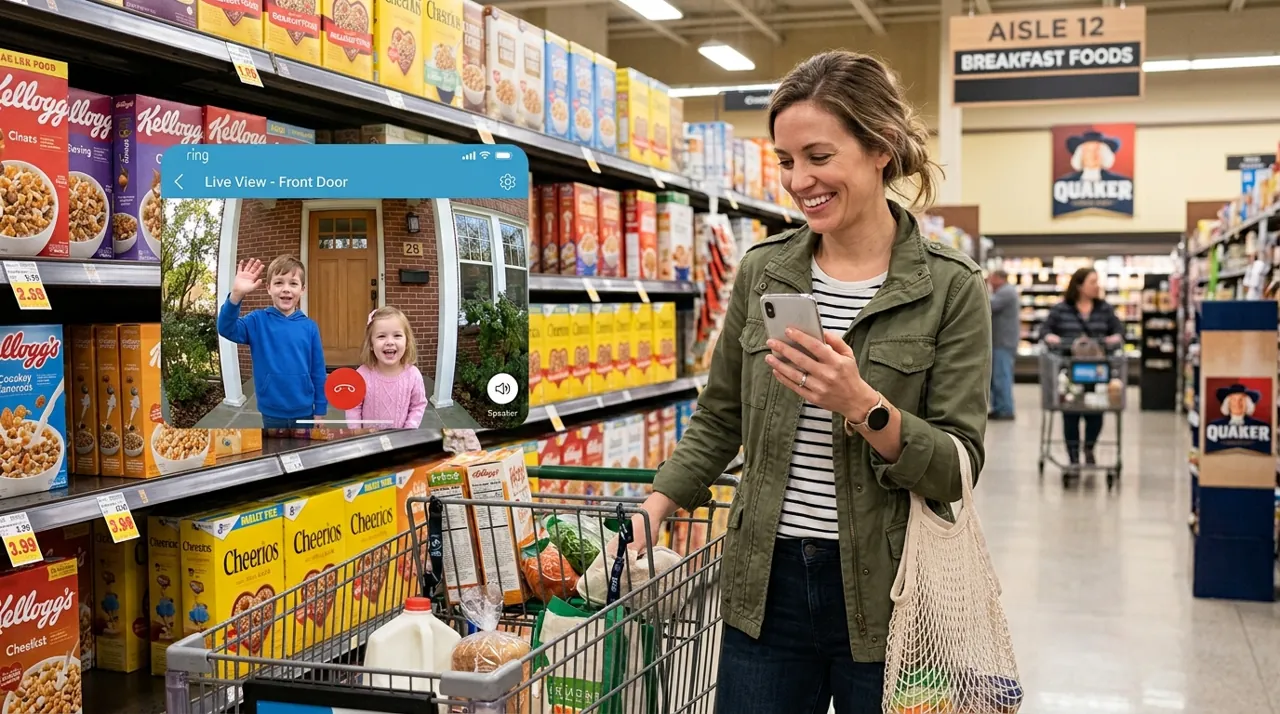
Why Parents Use a Discreet Camera for Childcare
The core reason is simple: verifying the quality and safety of care given to a child who cannot yet report back accurately, in the specific rooms where that care happens. This is a documented, common concern among parents using in-home childcare, and a camera that blends into the room rather than announcing itself is often chosen specifically because a visible camera can change caregiver behavior in ways that don’t reflect day-to-day reality — the same reasoning that applies to workplace monitoring generally.
Where to Place It
Common areas where childcare actually happens — the playroom, the living room, the kitchen, a nursery used primarily for childcare rather than as a private bedroom. Avoid any space where the caregiver has a reasonable expectation of complete privacy, including a bathroom under any circumstances, and be thoughtful about a nursery that doubles as your own private bedroom space.
The Audio Decision
This is the single decision with the most legal weight. In about a dozen states, recording a private conversation’s audio requires every party’s consent — meaning a nanny’s spoken conversations may not be lawfully recorded without her knowledge and agreement in those states. Video-only recording sidesteps this entirely and is the choice many parents make specifically for that reason. If you’re in a one-party consent state and want audio, you as the homeowner recording in your own home may satisfy the one-party requirement yourself — but confirm your specific state’s law, since nuances exist, rather than assuming.
This Is Childcare Monitoring, Not Surveillance of a Person You Don’t Have a Right to Monitor
The legal and ethical distinction that matters here: monitoring what happens in your own home’s common areas, for your own child’s safety, is a materially different situation from covertly tracking or recording another adult without their knowledge in a space you don’t control, or in a context the law doesn’t permit. This guide covers the former only. If your actual goal is monitoring a person in circumstances beyond in-home childcare — a partner, an ex, a stranger — that is a different, and likely unlawful, activity this site does not describe or support.
Camera Picks
See best hidden camera for ranked discreet cameras suited to this use case. Look for reliable motion detection and clear daytime video quality — a nursery or playroom rarely needs night vision the way an outdoor camera does, so prioritize daytime clarity and app reliability over low-light performance.
Verdict
Used lawfully — in common areas, with audio handled correctly for your state — a discreet camera is a reasonable tool for childcare oversight. Read lawful use of hidden cameras in full before installing one, and when in doubt about your specific situation, consult an attorney rather than assuming.