
Affiliate Disclosure
Some links on this page are affiliate links. As an Amazon Associate, we earn from qualifying purchases — at no extra cost to you. We do not buy, install, or physically handle the cameras we cover; our rankings come from aggregated owner reviews, ratings and expert consensus. Commissions never change our verdicts. How we rank · full disclosure.
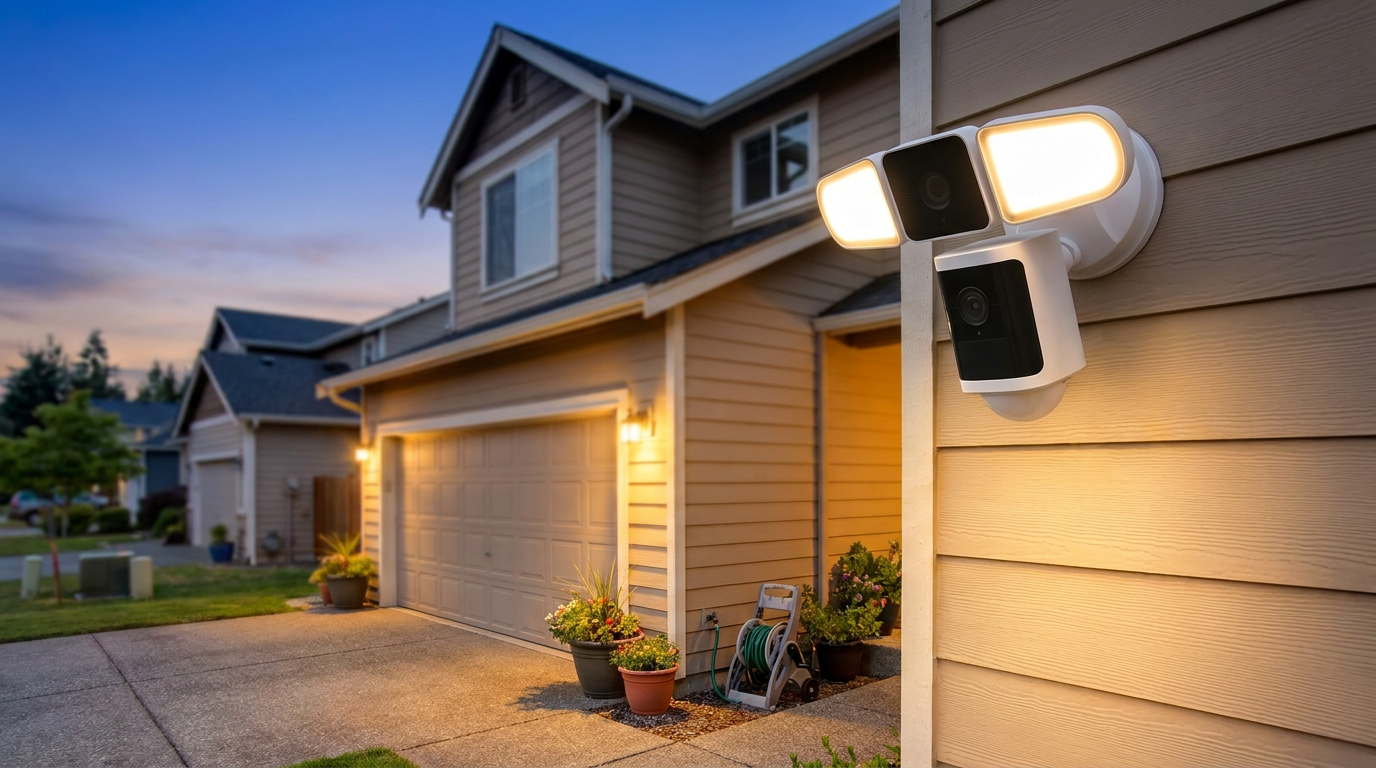
Short version: a floodlight camera is the single most effective outdoor camera type for a driveway or a back yard, because it fixes the thing that makes most night footage useless. Light turns a grey infrared silhouette into a color image of a person, and the light itself sends a fair number of people walking before anything is recorded at all. The catch is that the good ones are hardwired, so you need power at the mounting point.
How we work: we do not buy, install or physically handle these cameras. Rankings come from aggregated owner reviews, star ratings weighted by review volume, and the complaints that repeat across thousands of buyers. Full method on how we rank. For the wider outdoor field including battery and solar models, see best outdoor security cameras.
Color Night Video: Why Light Matters More Than Megapixels
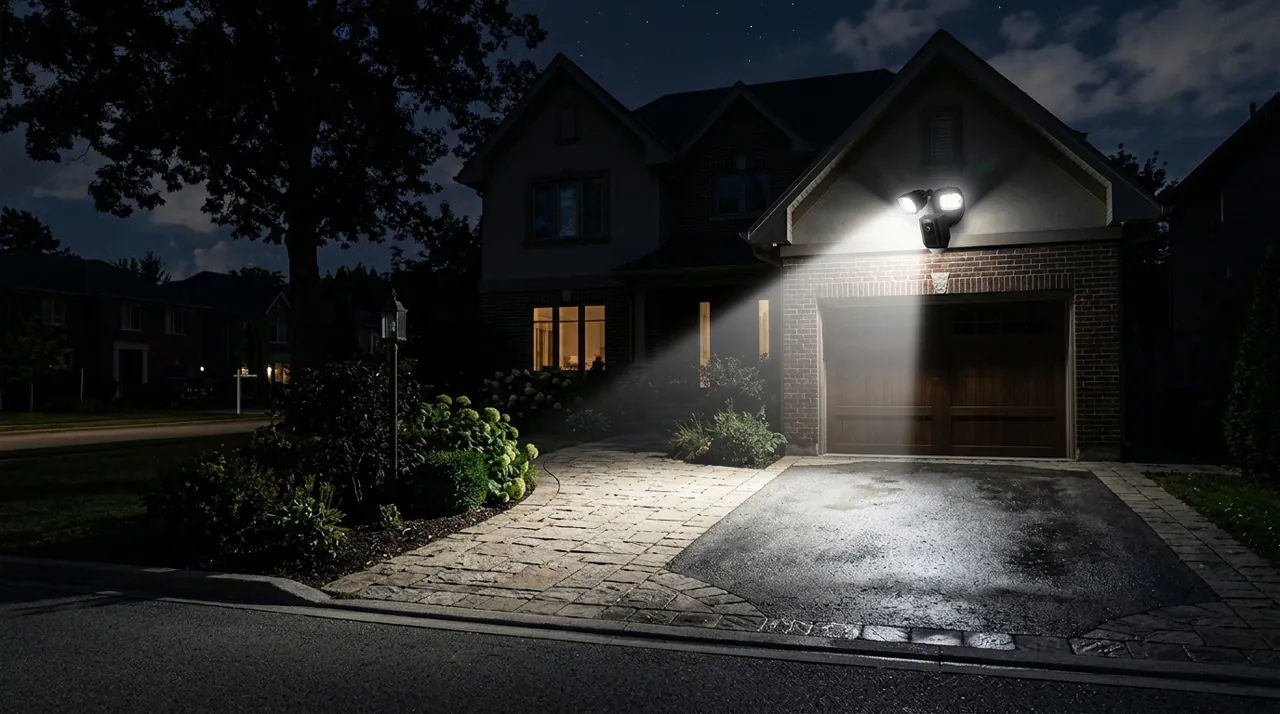
The direct answer: at night, illumination beats resolution. A 4K camera relying on infrared produces a very sharp grey silhouette. A 1080p camera under 1,800 lumens of floodlight produces a color image with clothing, skin tone and face detail. If a camera is ever going to justify its purchase, it will be after dark, and that is why the highest-rated outdoor camera in our whole dataset is a floodlight model rather than a higher-resolution one.
Owner reviews make a second point that specification sheets cannot. The most common reported outcome of a floodlight camera is not a recording of a crime — it is a recording of somebody stopping, looking up at the light and walking away. Deterrence is not something we can quantify from review data, but it is a consistent theme in what people write, and it is a real part of what buyers are paying for.
Top Rated Floodlight Security Cameras: Best Overall and Best Value
There is no dedicated ranked roundup for this category yet, so here are three models with the strongest owner-review evidence right now, drawn from the same verified rating data used everywhere on this site.

Best for driveways and garage walls with existing outdoor wiring.
- 1080p HD video with motion-activated floodlights.
- Hardwired power — nothing to recharge.
- Two-way talk and a 105dB built-in siren.
- Color night video once the lights trigger.
Why buy it: It’s the highest-rated outdoor camera we track, backed by one of the deepest owner-review bases in the category.
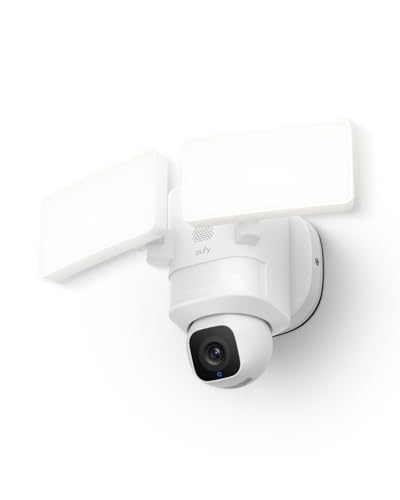
Best for wide yards where one fixed camera leaves gaps.
- 2K video with pan-and-tilt for 360-degree coverage.
- 2,000-lumen floodlights and AI detection with tracking.
- Built-in siren and 24/7 recording.
- No monthly fee — records locally.
Why buy it: Pan-and-tilt plus tracking covers ground that would otherwise need two fixed floodlight cameras.

Best for buyers who want brightness and detail without a monthly plan.
- 3K resolution, the sharpest of these three.
- 2,600 lumens — the brightest here.
- 360-degree outdoor coverage with color night vision.
- 24/7 recording with no subscription required.
Why buy it: It’s the brightest and sharpest of the three at the lowest price, and nothing is gated behind a plan.
The pattern in those three is worth naming. The Ring model wins on the sheer weight of evidence behind it — a level of validation nothing else in this category approaches — but it is 1080p and it gates recorded clips behind a subscription. The eufy E30 and the aosu both offer more resolution, more light and no monthly fee, at the cost of much thinner review histories. If the deciding factor is proven reliability, take the Ring. If it is footage quality and no ongoing cost, take one of the other two.
Comparison Table: Star Rating, Price and Best For
The same three floodlight cameras side by side, with every star rating and review count drawn from licensed retailer data rather than typed by us.
| Product | Best for | Price | Buy |
|---|---|---|---|
| Ring Floodlight Cam Wired Plus | Best Overall | $179.99 | Price |
| eufy Floodlight Camera E30, 2K Pan & Tilt | Best Coverage | $149.99 | Price |
| aosu Wired Floodlight Camera, 3K 2600-Lumen | Best No-Subscription Value | $129.99 | Price |
Pros and Cons of the Three Picks, by Owner Reviews
The owner-review consensus on each model, reduced to the trade it asks you to make.
Ring Floodlight Cam Wired Plus. Pros: the deepest evidence base in the entire outdoor category, a 105dB siren, and an app most households already run. Cons: 1080p resolution is the lowest here, and no recorded clip is saved without a paid plan.
eufy Floodlight Camera E30. Pros: pan-and-tilt coverage from a single mounting point, 2K video, 2,000 lumens, local recording with no monthly fee. Cons: a far thinner review history, and a camera that has swung to track someone is not watching its home position.
aosu Wired Floodlight Camera. Pros: the brightest and sharpest of the three at 2,600 lumens and 3K, at the lowest price, with nothing gated behind a plan. Cons: the least-known brand of the three, which means the least evidence about how it ages and how support behaves when something fails.
Motion-Activated Light, Deterrent Light and Light Heads
A floodlight camera is really two devices sharing one housing, and it helps to think about them separately. The camera records. The motion-activated light is triggered by the same sensor and does two jobs at once: it illuminates the scene so the recording is color rather than grey, and it announces to whoever tripped it that they have been noticed. That second job is the deterrent light function, and in owner reviews it is the outcome people describe most often — somebody stops, looks up and leaves before anything worth reviewing happens.
The light heads are the physical part that decides whether any of that works. Most well-rated models use two independently adjustable heads on ball joints, which lets you point one down the driveway and one across the garage door instead of throwing both beams at the same patch of concrete. Fixed or single-head units are cheaper and much less forgiving of an awkward wall. Before ordering, look at the mounting point and ask whether one beam direction will actually cover the ground you care about.
Two settings turn the light from a feature into a nuisance if left at default. Trigger sensitivity decides how often the light fires, and light duration decides how long it stays on. A deterrent light that blazes for five minutes at every passing cat is the version of this product that ends up unplugged.
Lumens, Coverage and Aiming the Floodlight Camera
Lumens measure total light output, and the useful residential range is roughly 1,500 to 2,600. The Ring model sits at the lower end of that band, the eufy E30 at 2,000 and the aosu at 2,600. Inside that range, more lumens means a larger area properly lit rather than a brighter picture of the same area — the exposure system compensates for brightness, so over-lighting a small space does not improve the footage.
What matters more than the raw number is aim. Independently adjustable heads let you push light down onto the ground you are recording rather than outward across a property line. Two rules cover most of it: light your own ground, and never aim a floodlight into the camera’s own field of view or at a reflective white wall, because both blow out the exposure at exactly the moment detail matters.
Coverage is the other half. A fixed floodlight camera lights and records one approach. A pan-and-tilt model like the eufy E30 covers a full circle from one mounting point, which suits a wide back yard where a fixed camera would leave gaps. The trade is the same one that applies across the PTZ pan-tilt cameras hub: a camera that has swung to follow somebody is temporarily not watching its home position.
Wiring: What a Hardwired Installation Actually Involves
Most well-rated floodlight cameras are hardwired, and that is a feature rather than an inconvenience — permanent power is what allows a genuinely bright light and removes the recharge cycle entirely. Installation typically means replacing an existing outdoor fixture or wiring into a junction box, which is straightforward if a box already exists at the spot you want and a real electrical job if it does not.
Owner reviews are consistent about where this goes wrong: people buy the camera, then discover mid-project that the wall they wanted has no power. Check for an existing fixture before ordering. If there is not one, either budget for an electrician or change categories — a solar camera from the solar cameras hub puts coverage on that wall today, without the light.
Battery and solar floodlight cameras do exist. They avoid the wiring entirely, but they have to ration light to protect runtime, so the floodlight is dimmer and stays on for a shorter burst per trigger. For a quiet side gate that is a fine compromise. For a driveway that catches passing traffic, it is not, and the recharge complaints in that scenario are the same ones that dominate the whole battery camera category.
Detection, Zones and Not Annoying Everyone
A floodlight camera has a social dimension that an ordinary camera does not: when it triggers, the neighbors know. That makes detection tuning less optional here than anywhere else in home security. A camera that fires 2,000 lumens at every passing car at 1 a.m. produces exactly the complaint you would expect.
Two settings prevent it. Activity zones exclude the street and the sidewalk from detection entirely, which handles most of the problem on its own. Object filtering — person, vehicle, animal — means the light responds to somebody walking up the driveway rather than to a cat crossing it. Every model on this page supports some version of both, and the reviews that praise these cameras almost always come from owners who spent the first fortnight tuning them.
Set the light duration sensibly too. Thirty seconds to a minute is enough to record an approach and to make the point. Leaving the floodlight on for five minutes after every trigger is what turns a helpful camera into a neighborhood grievance.
What Floodlight Cameras Cost
The well-reviewed field sits at a mid-to-premium range for a single wired unit, which is where all three models here fall. At the entry-level end you are generally buying either a dim light or a camera with weak detection, and often both. At the premium end you are paying for 4K, better AI or a brand ecosystem rather than materially better lighting.
The subscription question changes the real number substantially. A premium camera on a modest monthly plan adds up to a much larger total across five years; a mid-range camera recording locally costs just the hardware. Neither model is wrong — cloud storage survives the camera being stolen, which local microSD storage does not — but the comparison should be made on total cost rather than sticker price. The buying guides hub covers subscription math in more depth, and the NVR camera systems hub covers the local-recording route where the recorder lives safely indoors.
Best Budget and Best Premium Floodlight Cameras: What Each Tier Buys
At the entry-level end, the best budget floodlight cameras trade away light output first and detection quality second. You still get a camera and a light, but at 800 to 1,000 lumens the light functions as a marker rather than an illuminator, and the motion filtering is usually basic enough that everything triggers it. That tier is defensible on a quiet side path and frustrating on a driveway.
The mid-to-premium band is where the evidence is strongest and where all three picks above sit — full brightness, real object filtering, adjustable light heads, and enough owner reviews behind at least one option to know how it ages. Best premium buys 4K sensors, smarter on-device AI, color night video without waiting for the lights to fire, and integration with a wider ecosystem. It does not buy meaningfully better lighting, which is the thing this category exists for. Spend up only if resolution or ecosystem fit is a specific requirement.
Warranty, Siren and What Happens When One Fails
Hardwired outdoor gear is exposed to weather, heat cycling and, in the case of the light, thousands of switching events, so the after-sale terms deserve a look before purchase. Across these brands the standard warranty runs one year on the hardware, occasionally extended to two while an active plan is running. Keep the order record: warranty claims here are almost always handled by the manufacturer rather than the retailer, and the purchase date is the first thing they ask for.
The failure that shows up most in long-term reviews is not the camera at all — it is one light head dimming or dying while the other keeps working, usually years in. LEDs in these units are generally not user-replaceable, so a failed head means a warranty claim or a new unit. That is a genuine argument for buying a brand with a support record rather than the cheapest bright thing available.
One practical note on the siren. Most of these cameras include one, typically around 100 to 105dB, triggered manually from the app or automatically on a rule. It is loud enough to startle and not loud enough to be an alarm system, and because a false siren at 2 a.m. is a far worse neighborhood event than a false light, most owners leave automatic triggering off and keep it as a manual button.
Who Should Buy a Floodlight Camera
Buy one if you have a driveway, a garage approach or a back yard with existing outdoor wiring, and if night coverage is the actual reason you are shopping. That describes most people buying an outdoor camera, which is why this category punches above its weight in owner ratings.
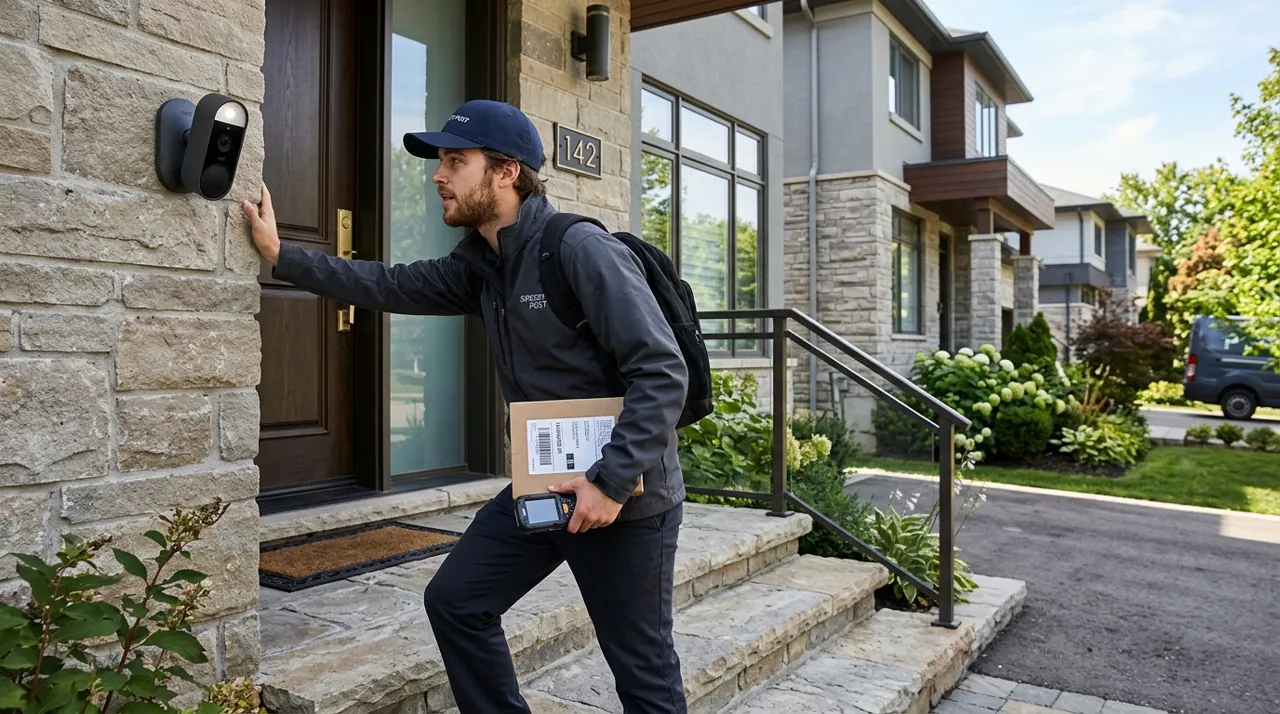
Skip it if the location has no power and no realistic route to it, if the camera would be lighting a shared wall or a neighbor’s window, or if you are covering an area that is already well lit — in a permanently lit parking area, a plain high-resolution camera from the premium cameras hub spends your money better. And for the front entrance specifically, compare against a video doorbell first, since doorbells frame faces at the right height in a way a wall-mounted floodlight camera rarely does.
Where to Start
If you want the full outdoor shortlist including wired, battery and solar options, go to best outdoor security cameras. If the specific problem is a dark yard or a shed, the best security camera for a backyard guide is the faster route, and best security camera for a front door covers the entry angle. If you would rather everything recorded locally to a box inside the house, read best PoE security camera systems. The topical map below closes the loop across the whole hub.