
Affiliate Disclosure
Some links on this page are affiliate links. As an Amazon Associate, we earn from qualifying purchases — at no extra cost to you. We do not buy, install, or physically handle the cameras we cover; our rankings come from aggregated owner reviews, ratings and expert consensus. Commissions never change our verdicts. How we rank · full disclosure.
Short answer: the real warning signs of a hacked security camera are specific and checkable, not vague unease. Look for the camera panning or tilting on its own with no motion trigger, unfamiliar devices listed as logged into your account in the app's device management screen, a password that suddenly stops working, unusual data usage from the camera on your router, or settings — like detection zones or notification preferences — that have changed without you touching them. Any one of these is worth investigating immediately; several together is a strong signal something is genuinely wrong.
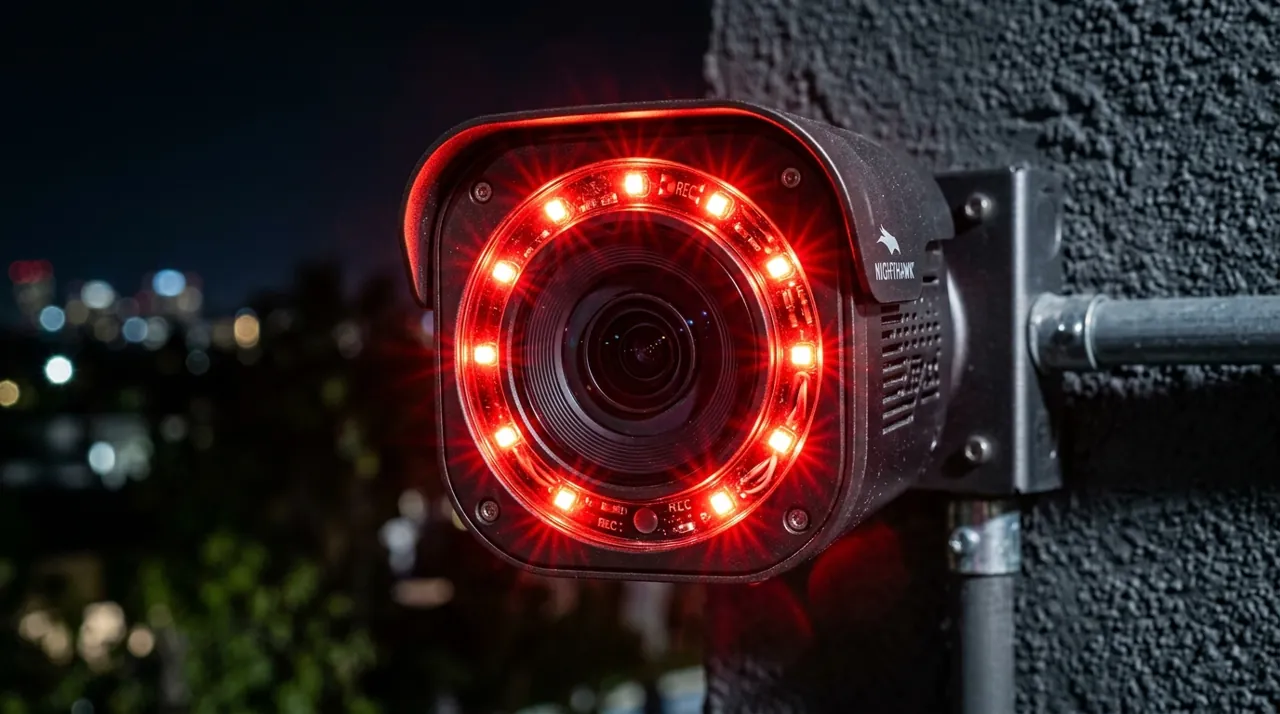
Recommended Cameras With Strong Security Track Records
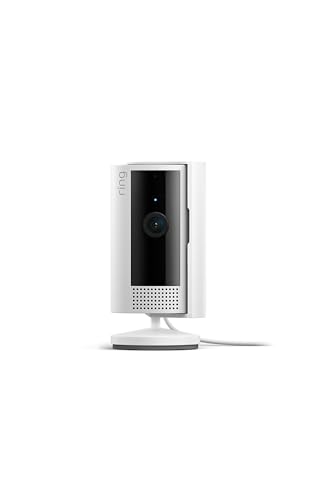
Best for a widely-reviewed camera with strong app-level security features.

Best for a camera with a large, well-documented owner community.

Best for reliable outdoor performance with strong app support.
How Do I Know If My Security Camera Is Hacked? Start Here
The question "how do I know if my security camera is hacked" almost always comes from one of two places: a specific unexplained event, like the camera moving or a light behaving oddly, or a general worry with nothing concrete to point to yet. The checklist below is organized to answer the specific-event case first, because that is the situation where a real compromise is most likely to be confirmable quickly. In both cases, the password on the account is the single most important thing to check and, if there is any doubt at all, to change immediately regardless of what else the investigation turns up.
Is My Security Camera Hacked? What to Actually Check
Start with the account, not the hardware. Nearly every documented consumer camera breach in recent years traced back to a reused or weak password rather than a flaw in the camera itself, so the fastest and most reliable check is opening the camera's app and reviewing which devices are currently logged into the account. An unfamiliar device, an unrecognized login location, or a login timestamp that does not match your own usage is the clearest evidence available. Most apps surface this under account or security settings, sometimes labeled "active sessions" or "connected devices."
Next, check for unexplained physical behavior: a pan-tilt camera moving with no motion event to trigger it, a spotlight or floodlight activating with nobody nearby, or a status LED behaving differently than its documented normal pattern. None of these alone is conclusive — cameras occasionally misfire for benign reasons — but any of them paired with an account anomaly is worth acting on immediately.
Checking From the Network Side
A router's device list or a network monitoring app can show unusual data usage from a specific camera, which is a useful independent signal that does not depend on the camera's own app telling the truth. A camera suddenly using far more bandwidth than its normal baseline, particularly during hours when nobody is actively viewing the live feed, is worth investigating. Most home routers expose at least basic per-device data usage in their admin interface, and checking it periodically is a reasonable habit for anyone running several connected cameras.
What to Do the Moment You Suspect a Compromise
Change the account password immediately, from a device other than the potentially compromised camera's own app if possible, and make it unique rather than reused from another account — password reuse is the single most common root cause behind consumer camera breaches. Enable two-factor authentication if the brand offers it; this is the single most effective preventive step available and is often skipped during initial setup. Update the camera's firmware, since manufacturers regularly patch known vulnerabilities and an outdated camera is a meaningfully easier target. Finally, review and remove any unfamiliar linked devices from the account.
Preventing It From Happening Again
Once the immediate compromise is addressed, a few habits meaningfully reduce the odds of it happening a second time. Use a password manager to generate a genuinely unique password for the camera account rather than a variation on one used elsewhere — password reuse across accounts is how a breach at an unrelated website ends up compromising a camera years later. Keep firmware set to automatic updates if the app offers that option, since manually remembering to check for updates is a habit most owners do not maintain consistently. And periodically review the connected-devices list even with no specific suspicion, the same way reviewing a bank statement periodically catches problems before they compound.
A camera bought from an established brand with a strong track record of security patching is also a meaningfully safer starting point than an unbranded budget listing with no clear support history — not because cheap cameras are inherently unsafe, but because a manufacturer that regularly ships firmware updates closes known vulnerabilities faster than one that does not, and that patching cadence is genuinely hard to verify from a product listing alone. Checking owner reviews for mentions of firmware updates and manufacturer responsiveness is a reasonable proxy when the manufacturer itself does not publish a clear security track record.
See can security cameras be hacked for the broader mechanism and prevention picture, and do security cameras need a static IP address for how network configuration affects a camera's exposure.